Banda Sea Indonesia
September-October, 2026
Prelude
I’m not quite sure why I signed up for the Banda Sea trip other than it will be to some really cool islands that haven’t been birded all that much. In that way it may be different than the other Indonesia trips I’ve done. Especially Java and Bali were, in a way, kind of depressing because so many birds have been captured to be sold in cages. It will be interesting to see if the same is true in these islands. I don’t think so. (The treat part of Java and Bali were Boneng, Heru and Don. They were awesome to bird with and hang out with.)
The last days in Australia were quiet. I birded with Ju Lin and Ping Ling before we had lunch. Then they left for the airport with Ray and Edna. I will especially miss Ju Lin and Ping Ling. We’ve had lots of fun together. I hope our paths cross again in the future.
I was having a heck of a time getting an Indonesian visa. Then I applied for the arrival card. It was approved and it gave me the option to pay and apply for a visa. I paid and the e-Visa was issued immediately. Yippee.
I needed a haircut. The barber wasn’t at the shop so I bought clippers and did it myself.
The last day in Kununurra I spent the afternoon in the hotel’s lobby reading and chilling. Maybe I should have gone to Perth and birded there one day. But it probably was good that I just had a quiet day.
I was planning on getting a sleeping pod at the Perth airport but they were all full. So I spent the night at the airport. I took several naps in chairs and slept on the flight to Bali as well.
When I got to Bali, I had totally misread the instructions for getting to the hotel. I should have taken the shuttle. I thought I could walk the 500 meters. No sidewalks Evan. I ended up walking on the streets, some of them busy, about two kilometers to get to the hotel. Along the way I put a hole in one of my long sleeve shirts.
And I discovered earlier that I left my Tilley hat in Australia. (Luke gave me an NT Birding Specialist cap that I’ll wear on the Banda Sea tour.) Getting another Tilley hat can wait till DC.
I got to the hotel hot and tired and frustrated. After sitting there for about an hour who should show up but Forrest. Forrest is a super positive person and he was just what I needed to get revved back up. I got checked in and took a nice shower and now I’m ready to begin this Banda Sea adventure.
At Sea
September 12, 2026
This morning we were out of the hotel very early to get to the airport very early. We got there so early I think because of concerns about a volcano that has been erupting in another part of Indonesia. It did not impact us at all.
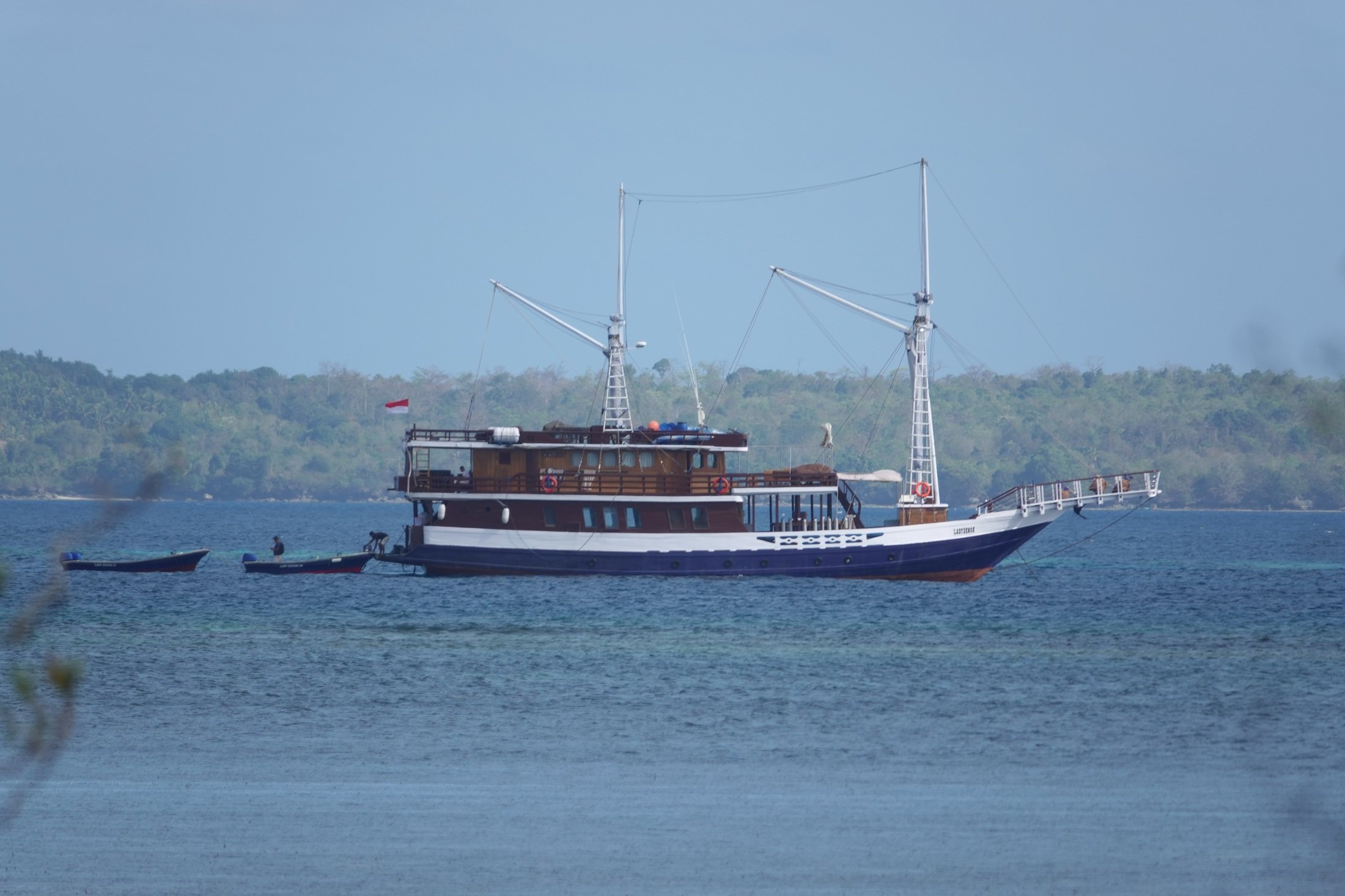
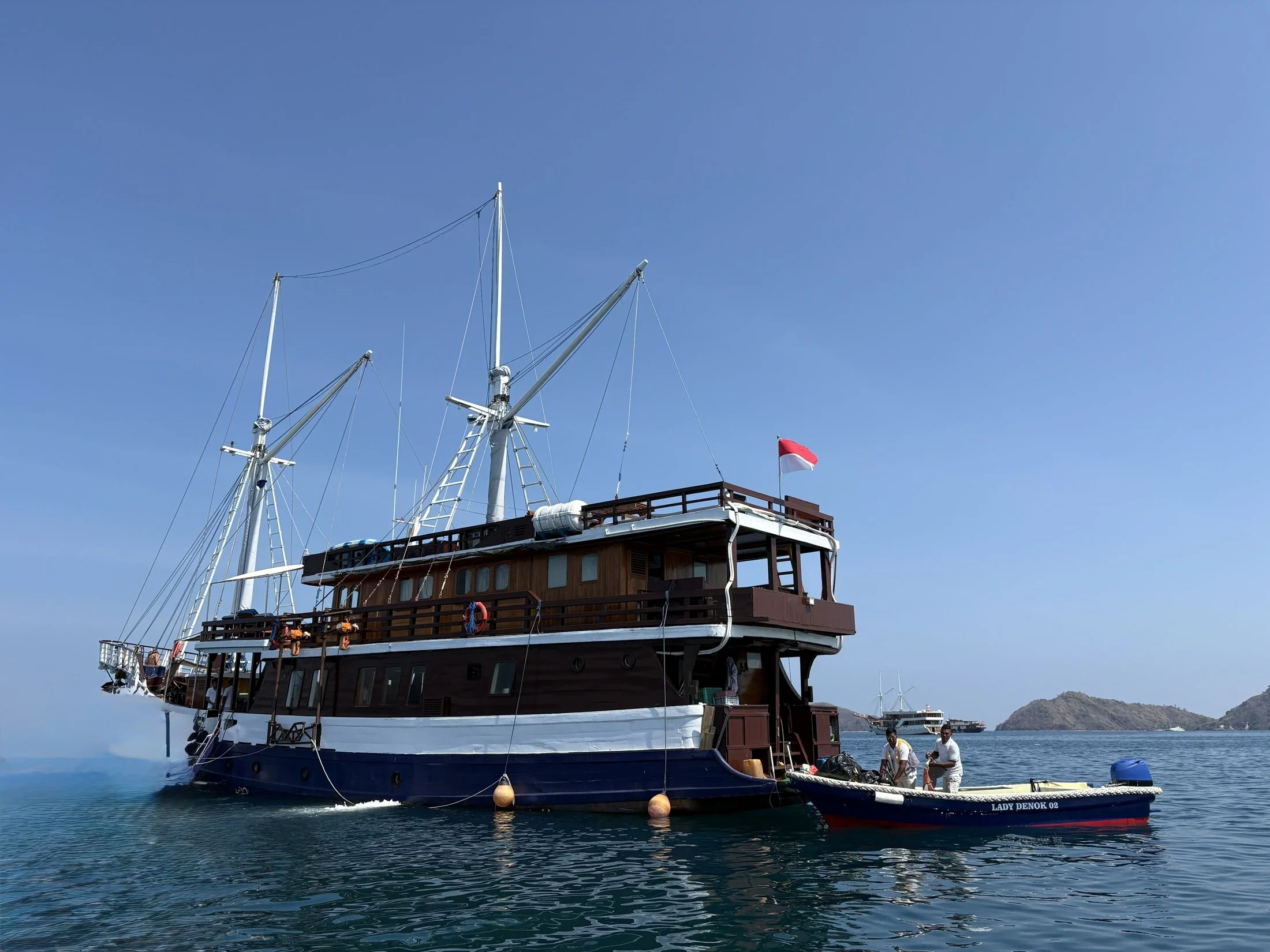
From Bali we flew to Labuan Bajo and then it was a ten minute drive to the small boat that took us to the boat we will be calling home for the next two weeks, the Lady Denok. We then set sail.
We had a second breakfast and were given an orientation session. Then we all went to the upper deck to sea watch. It’s not like sea watching in Cornwall but we did see several good birds. Forrest is doing checklists and once he’s got them done, I’ll report on the birds we saw. I got several lifers today.
While we birded I noticed several things. First, I felt much more comfortable with this group of birders than I thought I would as far as being over my head. Yes, I’m still pretty new at this stuff but the base of knowledge I’m working from is much higher. And I was able to get on every bird that was spotted as we sea watched. I even spotted a few.
The water was really rolling for a large part of the trip today. Years ago, Jeff Larson told me I wouldn’t be seasick even if I didn’t take motion sickness medicine. Today certainly proved that out. I was perfectly fine all day long.
I’m going to stop for now because even though I don’t get seasick I feel a little funny as I try to type with the rolling of the boat. A good first day for this trip.
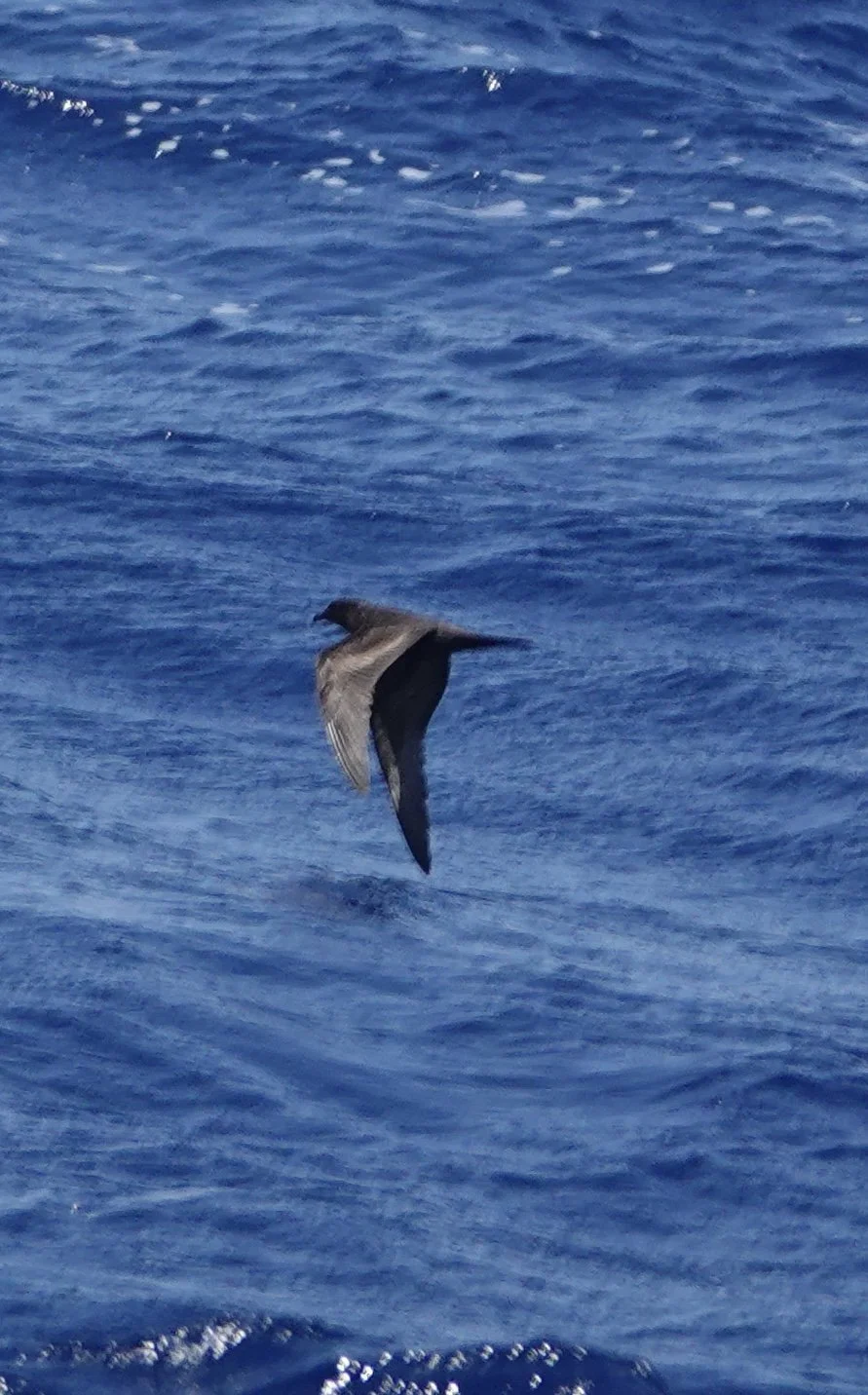
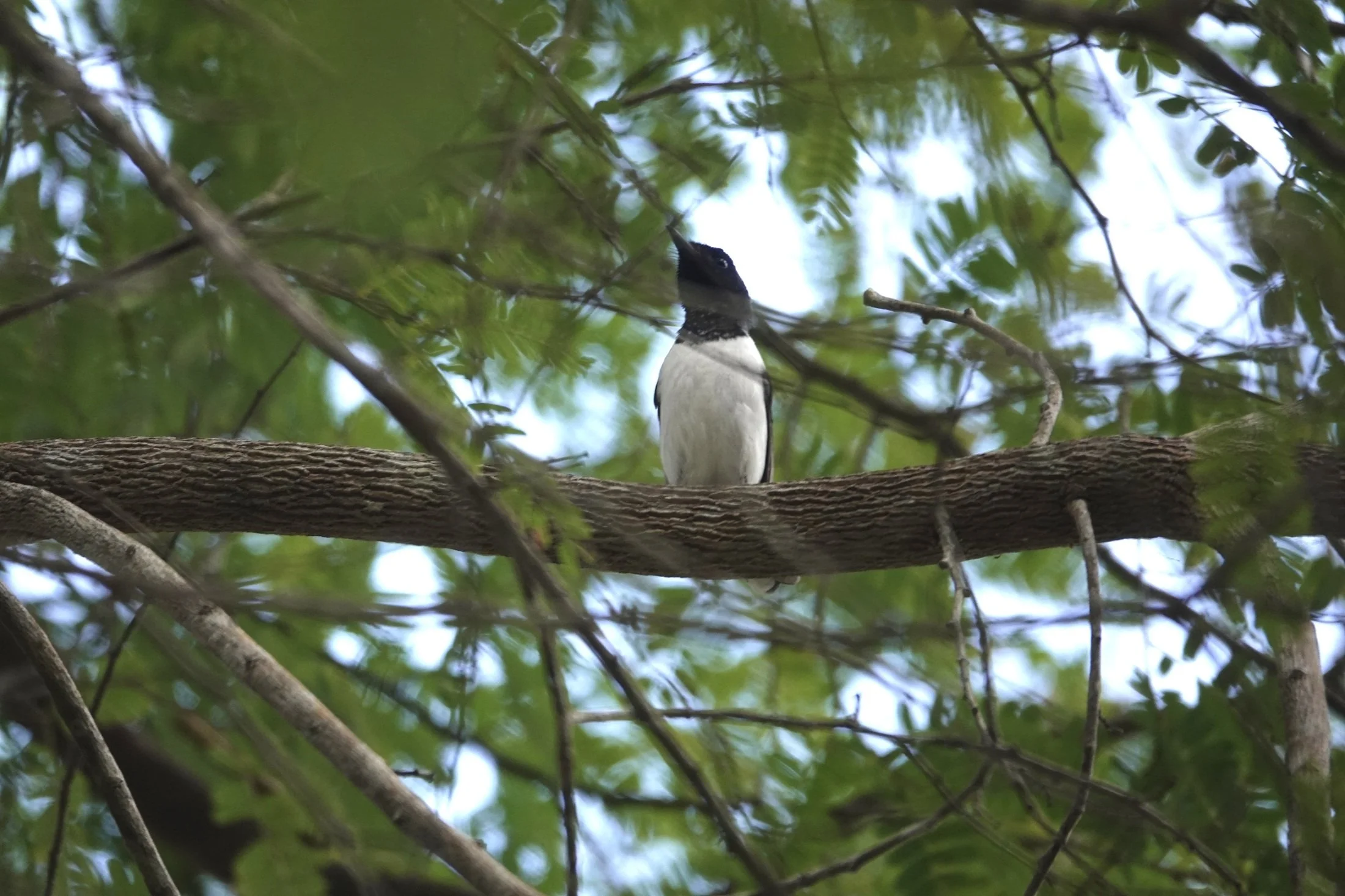
I’m back, it’s the next day and the seas are calm. I’ll close of this entry and get it posted. We saw Tenggara swiftlet on the way to the boat yesterday. The sea watching produced both white-tailed tropicbird and red-tailed tropicbird. What a treat. Bulwer’s petrel, (pictured), great frigatebird and red-footed booby were among the other birds seen. In some ways it was good that there was a heavy wind and the seas were a little snotty yesterday. We might not like that weather but the ocean-going birds sure do.
18 species, 6 lifers
Tanahjampea and Kalao
“So when the day comes to settle down
Who's to blame if you're not around?
You took the long way home
You took the long way home”
“Take The Long Way Home” Supertramp
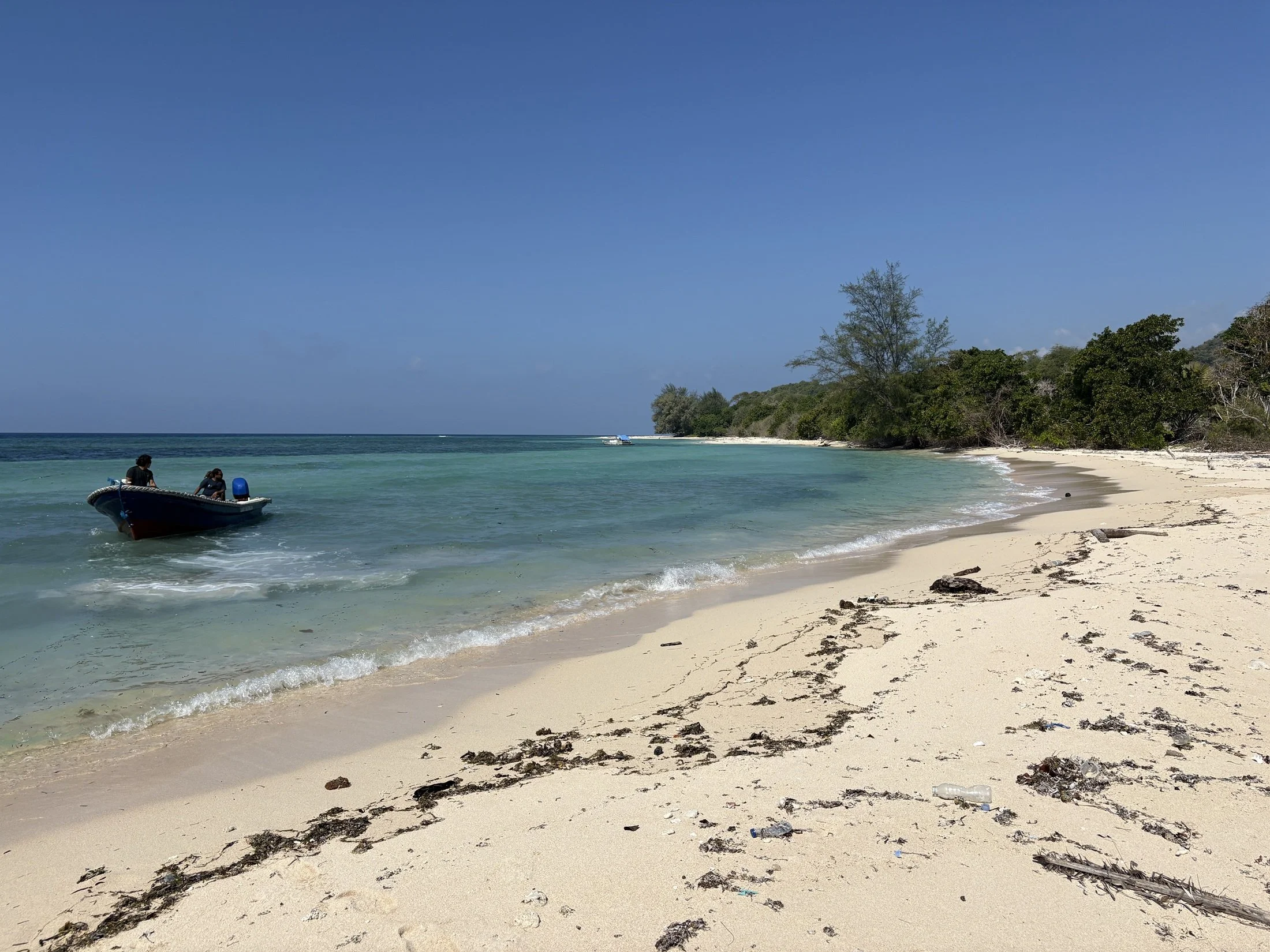
What a great day of birding. We took two tender boats to the shore of Tanahjampea this morning. I walked barefoot to shore. The beach sand was wonderfully soft and the water was very warm. Is this really birding?
I put on my socks and boots. Soon we all set off down a paved road and then turned onto a dirt road. (The dirt track was actually a major thoroughfare with many motorcycles going by during our birding there.)
We saw Flores Sea sunbirds almost immediately. A very dark colored sunbird. Then we tracked down Tanahjampea monarch, (pictured), one of the big targets of the trip to this island.
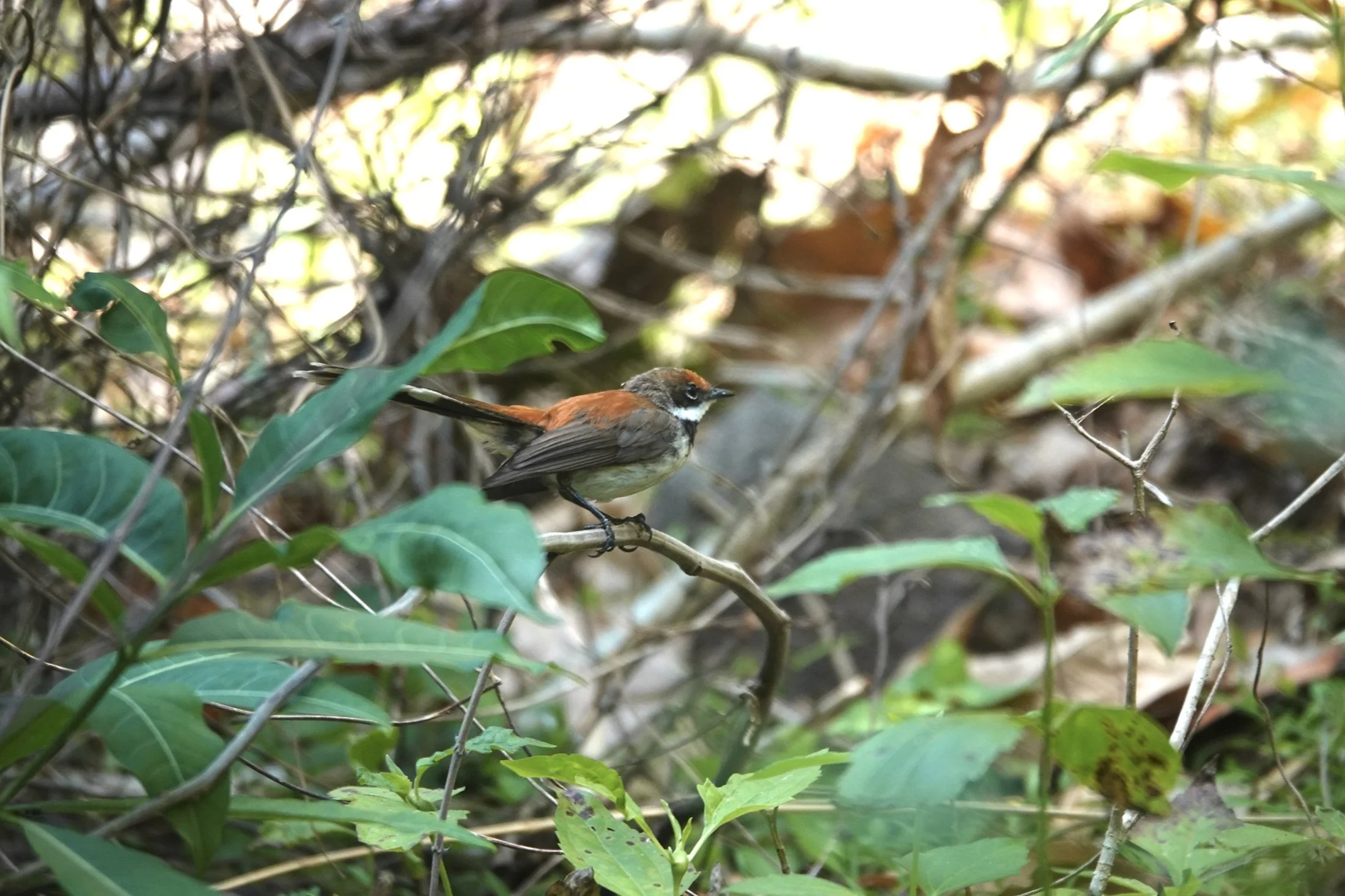
Now I have to talk about a bit of a controversial topic. Was the Supertramp fantail, (pictured), named after the band Supertramp or was it named after The Autobiography of a Super-Tramp by William Henry Davies, the book that Supertramp the band was named after? Two schools of thought exist on this one and I’ll admit it, I like Supertramp’s music. What isn’t in question is what a beautiful bird the Supertramp fantail, (pictured), is. It’s gorgeous and we got many great views of it.
Red-chested flowerpeckers also showed very well in the morning.
After a wonderful morning of birding we went back to the ship on the tenders. Delicious avocado juice with vanilla milk was waiting for us. As we ate lunch we sailed to the next island we were birding, Kalao.
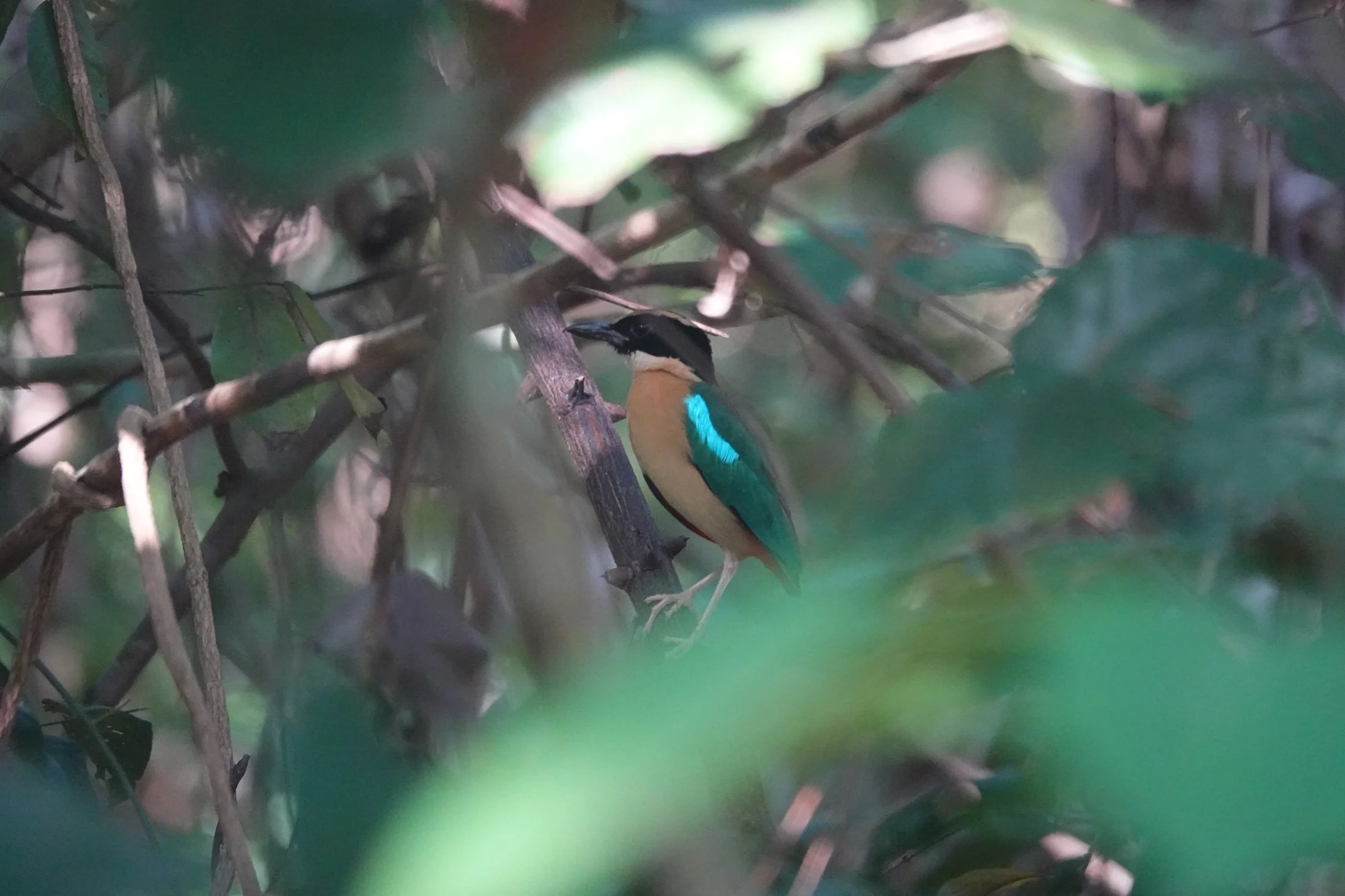
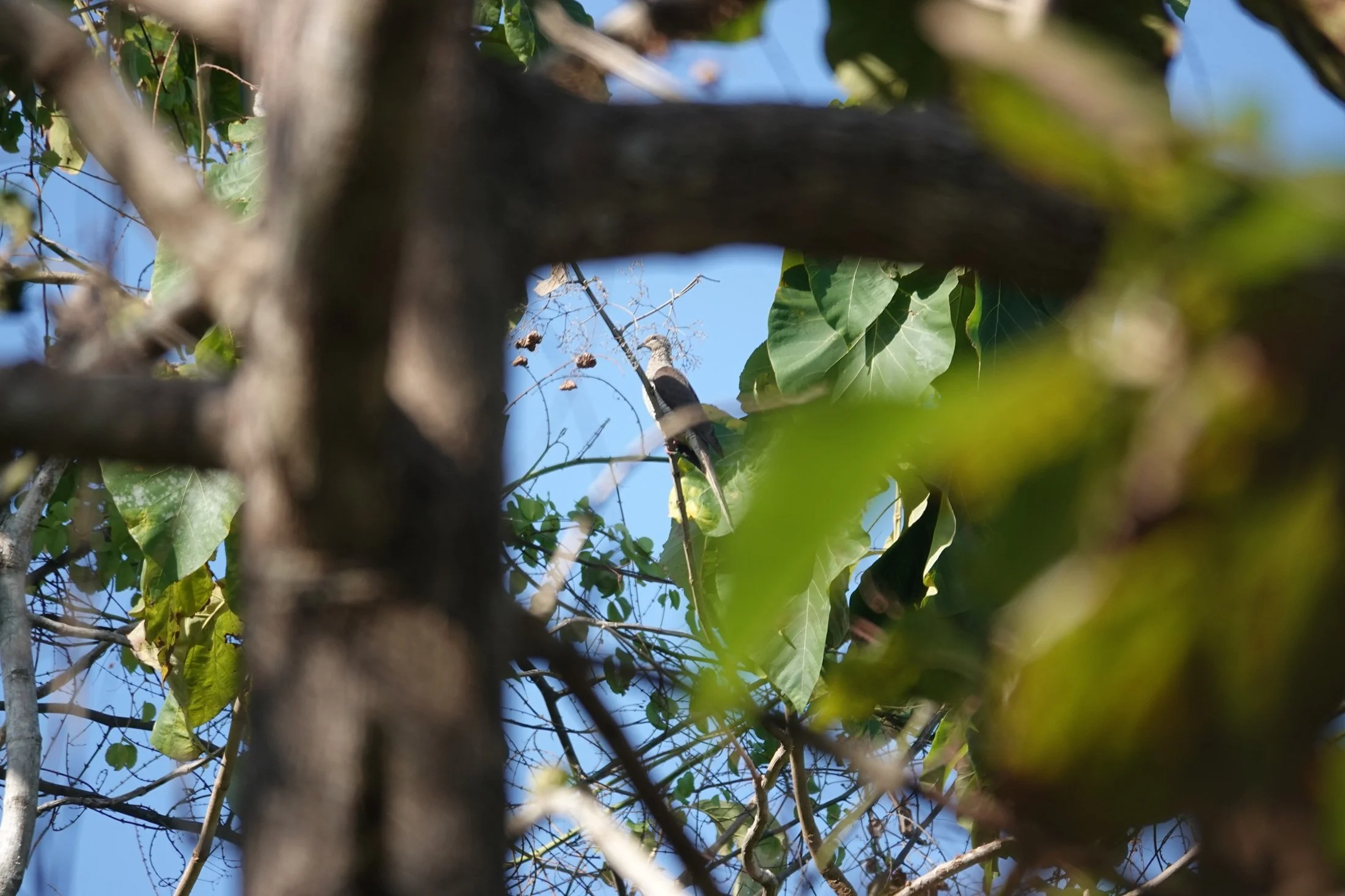
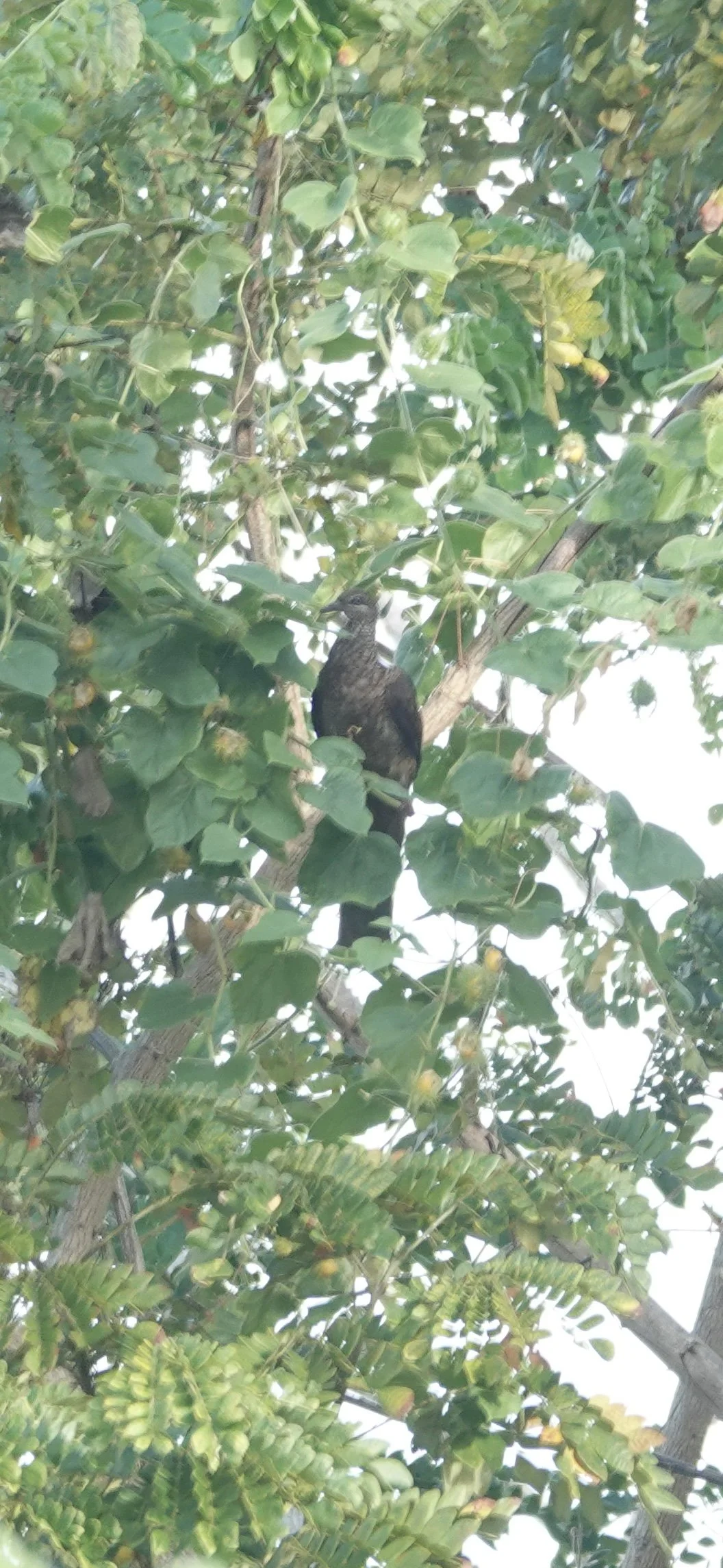
The Kalao blue flycatcher was the first bird we found and we got good views of this very jumpy bird. We then got spectacular views of an elegant pitta, (pictured),a very well named bird. As we walked through a teak forest a Flores Sea cuckoo-dove, (pictured), answered our call and showed very well. What a big bird. These were our big targets for the afternoon. It was wonderful to know that we got all of our targets for the day.
We went back to the ship and after some looking, we saw two yellow-crested cockatoo. They are listed as sensitive and are critically endangered because they have been trapped for caged pets. So, so sad.
What a wonderful day of birding.
42 species, 9 lifers
Gerygone and Snorkeling
September 14, 2026
We sailed all night. I’m rooming with Pete, a great guy from New Jersey. Our berth is right beside the engine. I heard the engine slow down about 2:45 AM and I knew we’d arrived at our next destination, Kalaotoa.
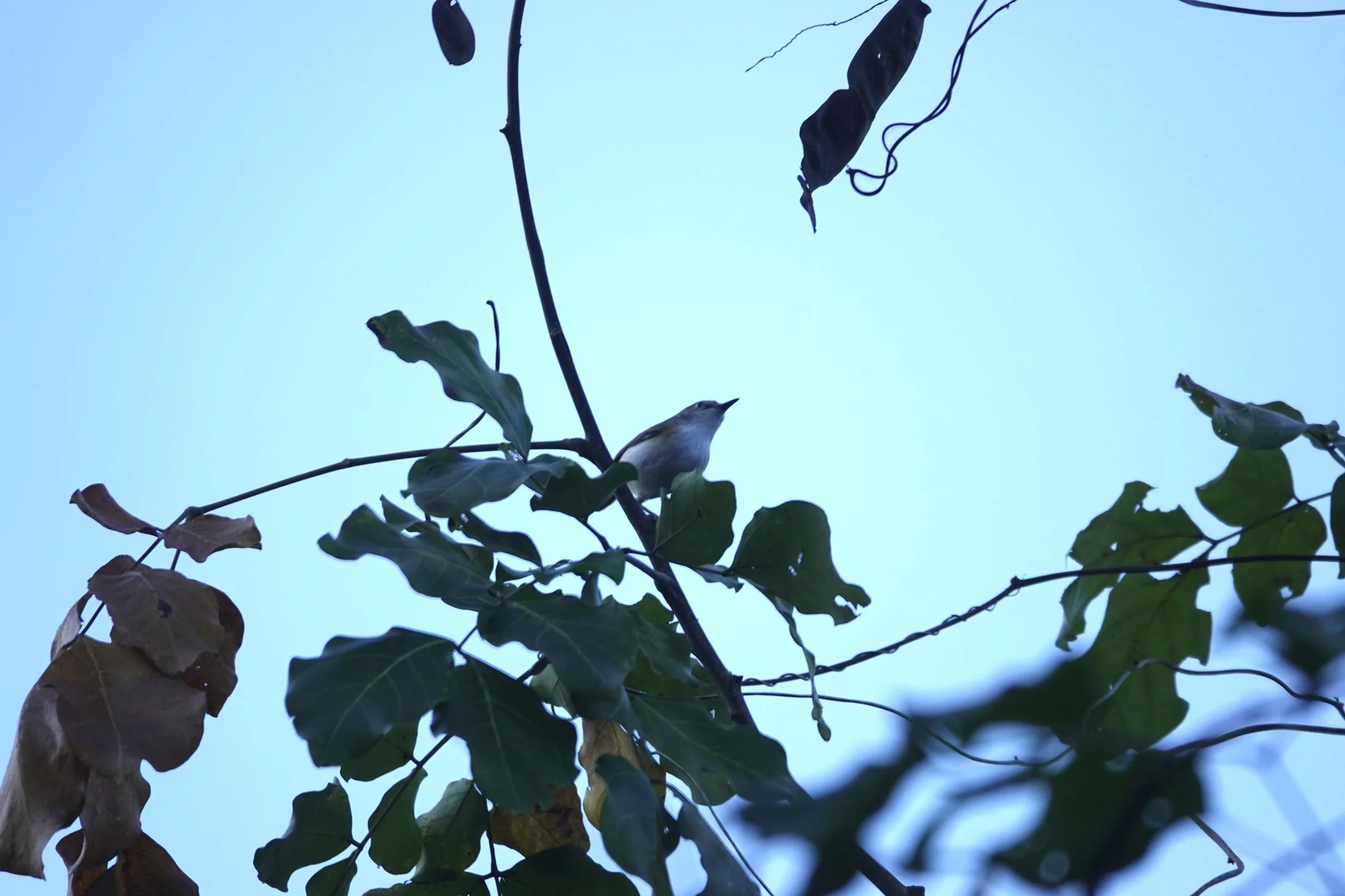
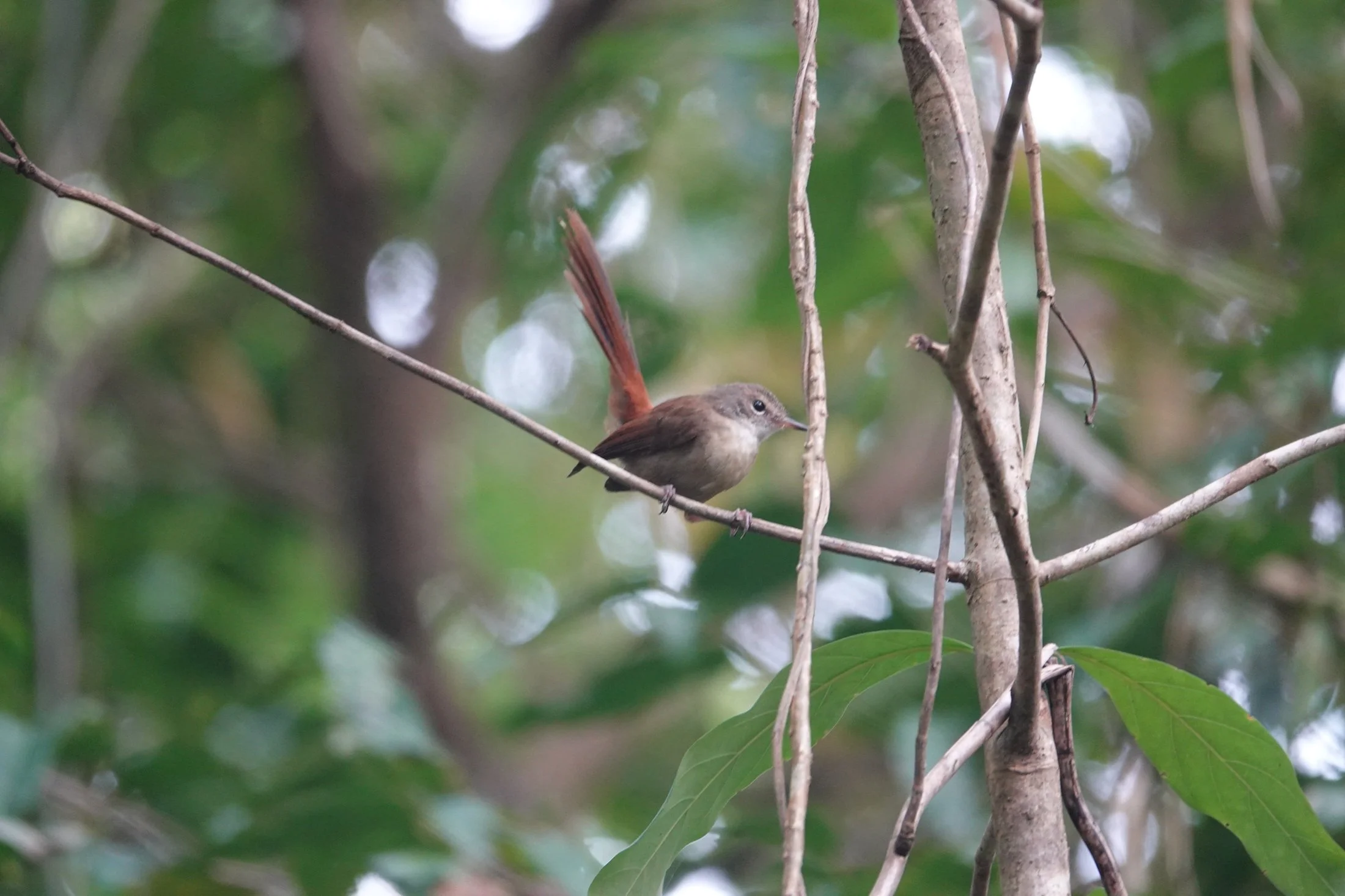
Breakfast was at 5:00 and we were headed to the island by about 5:30. Another sandy beach approach. In a matter of a few minutes we found our key target species, the rufous-sided gerygone, (pictured). We birded for about four hours. The other highlight bird for me was a flyby elegant imperial-pigeon.
We got back to the boat about 9:30 after we walked through kelp and mucky sand because of the tides. The next adventure was snorkeling. I wasn’t going to do it because I haven’t snorkeled in years. But then I thought, what the heck, I will be here exactly once.
The staff on the boat took good care of me preparing. They helped me pick out a snorkel and fins and they helped me adjust them. About six of us went snorkeling.
When the tender took us to the drop off spot everyone else jumped into the water. I was a bit hesitant but eventually I slid in. One of the staff was in the water with us and he was basically me shadow to make sure I was okay. I swam towards the pier and once in awhile he would point me towards better coral. I saw a plethora of colorful fish and swam through a school of light blue fish. The coral was beautiful as well and there were stunning blue starfish too.
After about half an hour I was ready to come in. I climbed aboard and the tender took me and Edwin another birder back to the ship. A freshwater shower, a cup of ginger tea and a towel awaited. What a super fun outing.
We’ll soon begin sailing and will sail through the afternoon and the evening to our next stop. I will be up on deck looking for pelagic birds and I’m sure I won’t be alone. If we find anything special I will add a postscript.
We just got interesting news. There’s a storm a brewing in the water we’re headed into and because of it we won’t be sailing till 4:30 AM tomorrow morning. We’ll do another session of birding this afternoon and evening on Kalaotoa. Life on the ocean.
30 species, 2 lifers
In Transit
September 15, 2026
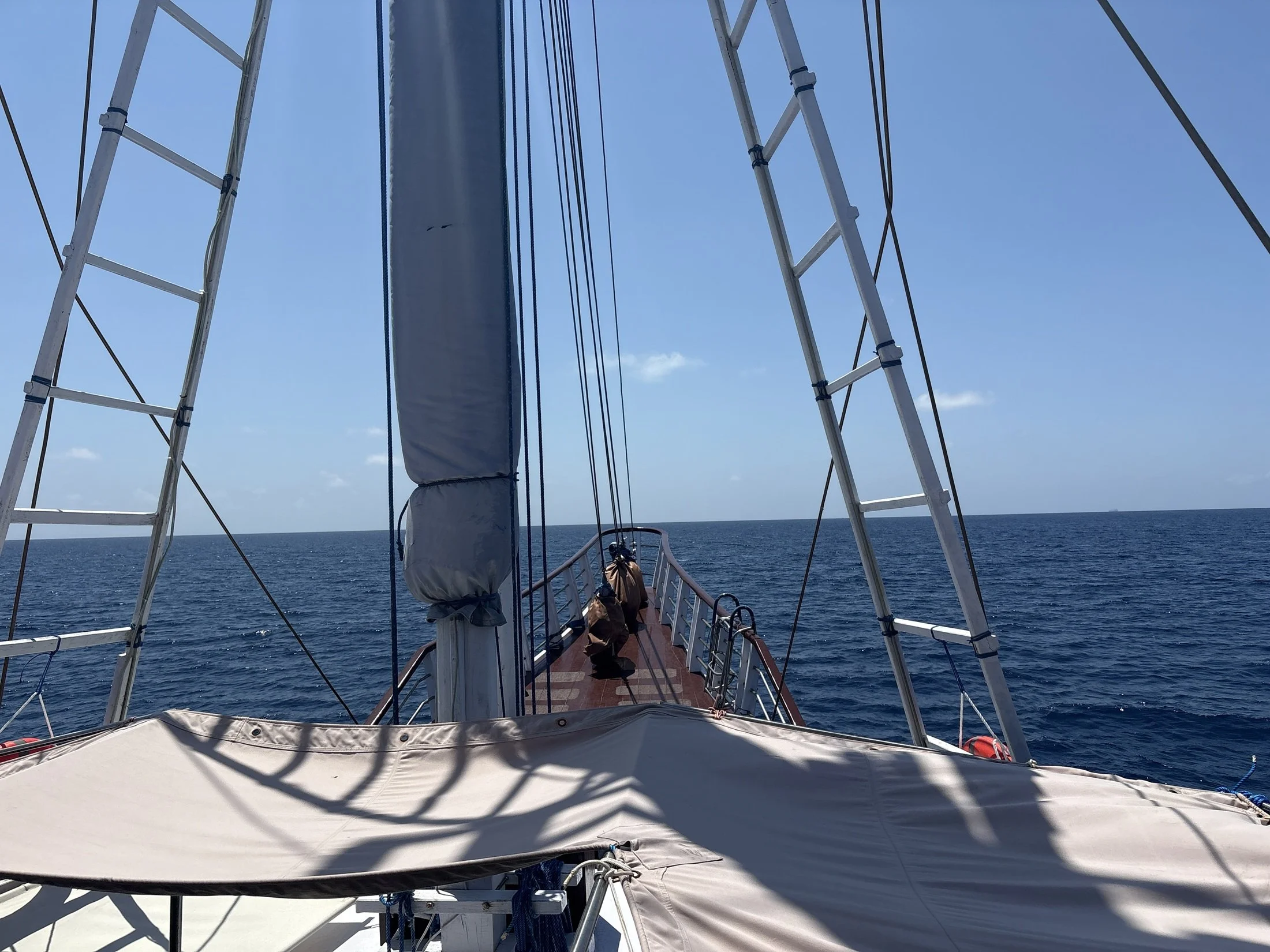
I wrote about the storm that waylaid us. As we were about to go yesterday there was also a steering problem that needed to be addressed. Took awhile but it was finally fixed. We aren’t missing any birding because of either of these issues.
I got a chance to play poker with my buddies in DC yesterday because of all of this. I did okay but was card dead at the final table. It was great to see everyone again.
We just seawatched yesterday and it was only old friends we saw. There are a couple of interesting prospects we could see so we’ll be on the lookout again today. We arrive at our next destination about 4:00 PM today. (BTW, even though I’m writing about September 15th, it’s actually the 16th.)
I did get some good news. David Hoddinott is one of the two leaders of this group along with Forrest. David knows Uganda like the back of his hand. However, his tours to Uganda are always full far in advance. I was checking yesterday and there was an open spot on the 2028 Uganda tour. I immediately signed up with Crystal’s help. (Crystal is the head of admin at Rockjumper and she’s awesome.)
11 species, 0 lifers
September 16, 2026
This will be a very brief report because we are getting up insanely early tomorrow.
We seawatched as we continued the journey. I dipped on a storm-petrel but don’t feel bad because they are small and fly fast over the water. That said I did manage sooty tern, Wilson’s storm-petrel, streaked shearwater, and wedge-tailed shearwater as new lifers. It was a busy morning on the ocean.
The crew of the ship did a great job getting us to Alor Island much earlier than expected. We went to the island immediately and started birding. A very good variety of birds were seen including drab swiftlet, Wallacean drongo, ashy-bellied white-eye, thick-billed flowerpecker, black-fronted flowerpecker and flame-breasted sunbird. We tried like crazy to get ornate pitta to show itself but to no avail. We heard several in the closing light of the day.
We went owling at dusk but totally dipped on the owls. That’s the reason for the insanely early start tomorrow.
Good-night, dream good.
36 species, 11 lifers
Timor Stubtail
September 17, 2026
We left the boat at 3:30 AM this morning and by 4:30 or so we were searching for owls. As the skies were lightening we were rewarded with views of an Alor boobook.
We then proceeded to a radio tower and an old friend became a special friend. We got great views of a Javan bush warbler. (An old friend from Bali.) This bird was the 5,000 species for Dougald, an Aussie on our trip and a really good guy. We all congratulated him and had a celebratory drink during checklists this evening.
Throughout the morning we saw numerous birds, many of them lifers for me. They included olive-headed lorikeet, Alor myzomela, Wallacean cuckooshrike and yellow-breasted warbler.
But there was one bird that I really wanted to see. A little skulker that I just liked the pictures of. We heard it on a couple occasions and David called it in. I got great views of the Timor stubtail. What a little cutie. When I got out of the way so others could see it Forrest gave me a fist pump because he knew I’d really wanted to see that bird.
After lunch we struck gold on the birding scene. We got distant views of a Flores hawk-eagle. A Tenggara paradise-flycatcher was seen flying through the forest, its streamers flying. And a real treat was seeing four Tenggara hill myna, one was perched for great views. And we found a Flores green-pigeon in a tree just filled with fruit.
Four of us went back to the boat early. The car we were in was having troubles, so it took us quite a while to get to the harbor to ride the tender to the boat. Car troubles are nothing new for a bird tour.
What a wonderful, bird filled day it was. I am so sleepy. Something’s wrong with my download from my camera to my iPhone. I’ll have to figure that out so I can post pictures. I’ll do hyperlinks tomorrow, a day fully at sea.
42 species, 12 lifers
Liming
September 18, 2026
Today we were at sea the entire day and it was a quiet day for seabirds. Pete found us an Abbott’s booby and that was the extent of the highlights for the day. I chilled and read and napped. I limed all day
5 species, 1 lifer
Tangles and Vines and River Crossings and A Question
September 19, 2026
Great news, I figured out how to solve the picture download problem.
Today we birded the island of Wetar.
This morning we once again left the boat at an obscene hour, really the middle of the night. We were richly rewarded for our efforts with great views of two Wetar scops-owls. What special birds.
Then we went birding down a path through a gorge. We had to cross the creek twice going and twice coming. I did it in one of the pairs of my hiking boots. I purposely brought two pairs of hiking boots and I switch them out on the daily. I won’t for a few days until the ones I used today dry out. Shouldn’t take too long because it’s very warm here in the Banda Sea. BTW, I’m glad I have two sets of boots. One pair would have been worn out by now and I would have been left struggling to find a replacement pair of boots.
Much of the hike was through tangles and vines and grass so deep that we had to watch our step. On numerous occasions I did the marching band step to get clear of the tangles. What an adventure, but it was so worth it.
We then waited till dawn and found crimson-hooded myzomela. They basically made a guest appearance as birds often do. From there it was a nonstop parade of great birds. And there might be a reason for it…El Nino.
Like so many areas I have birded this summer Wetar was very, very dry because of the El Nino induced drought. But in this instance it may have benefited us because birds that may have been in the highlands were instead down lower searching for food.
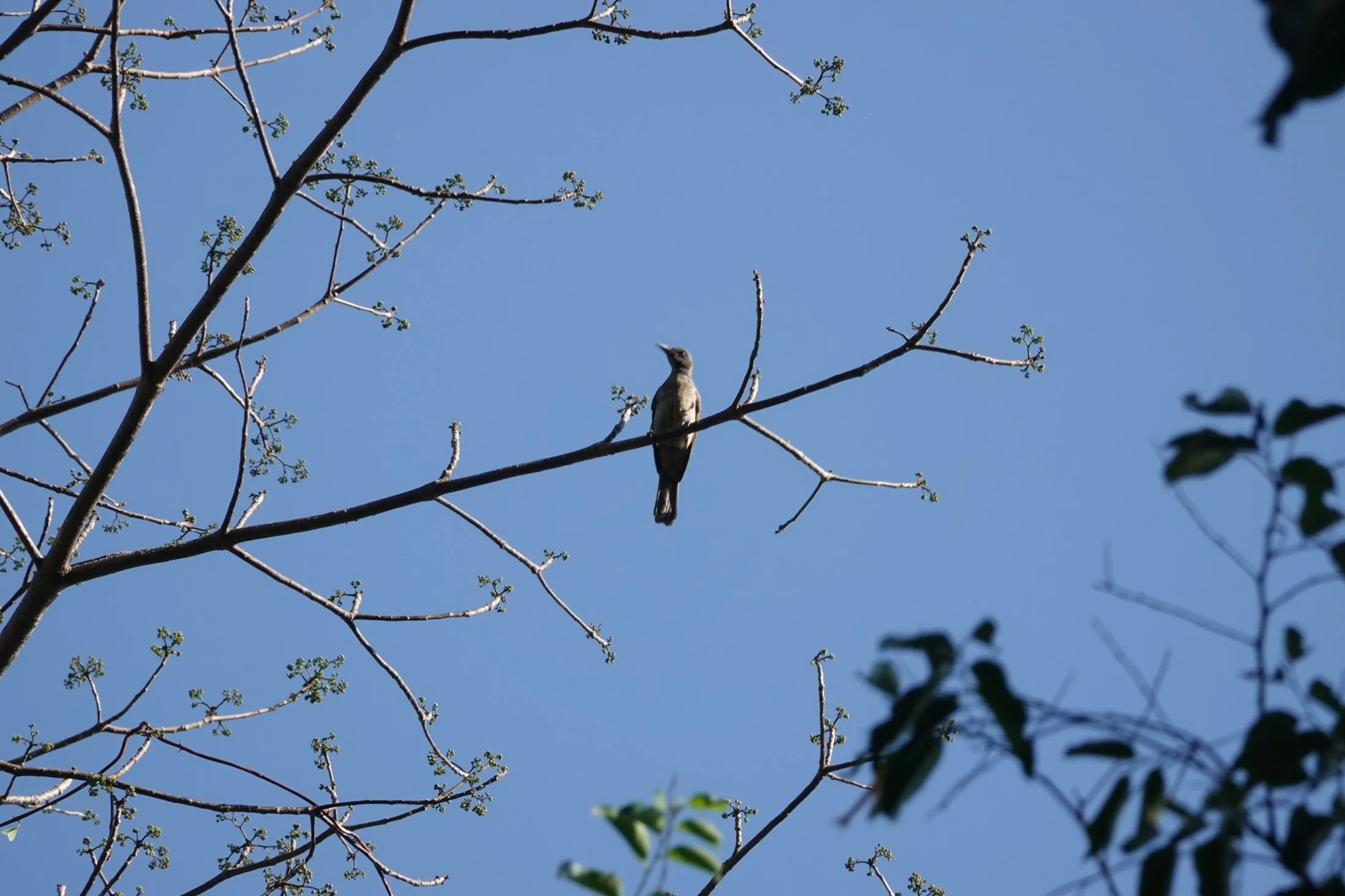
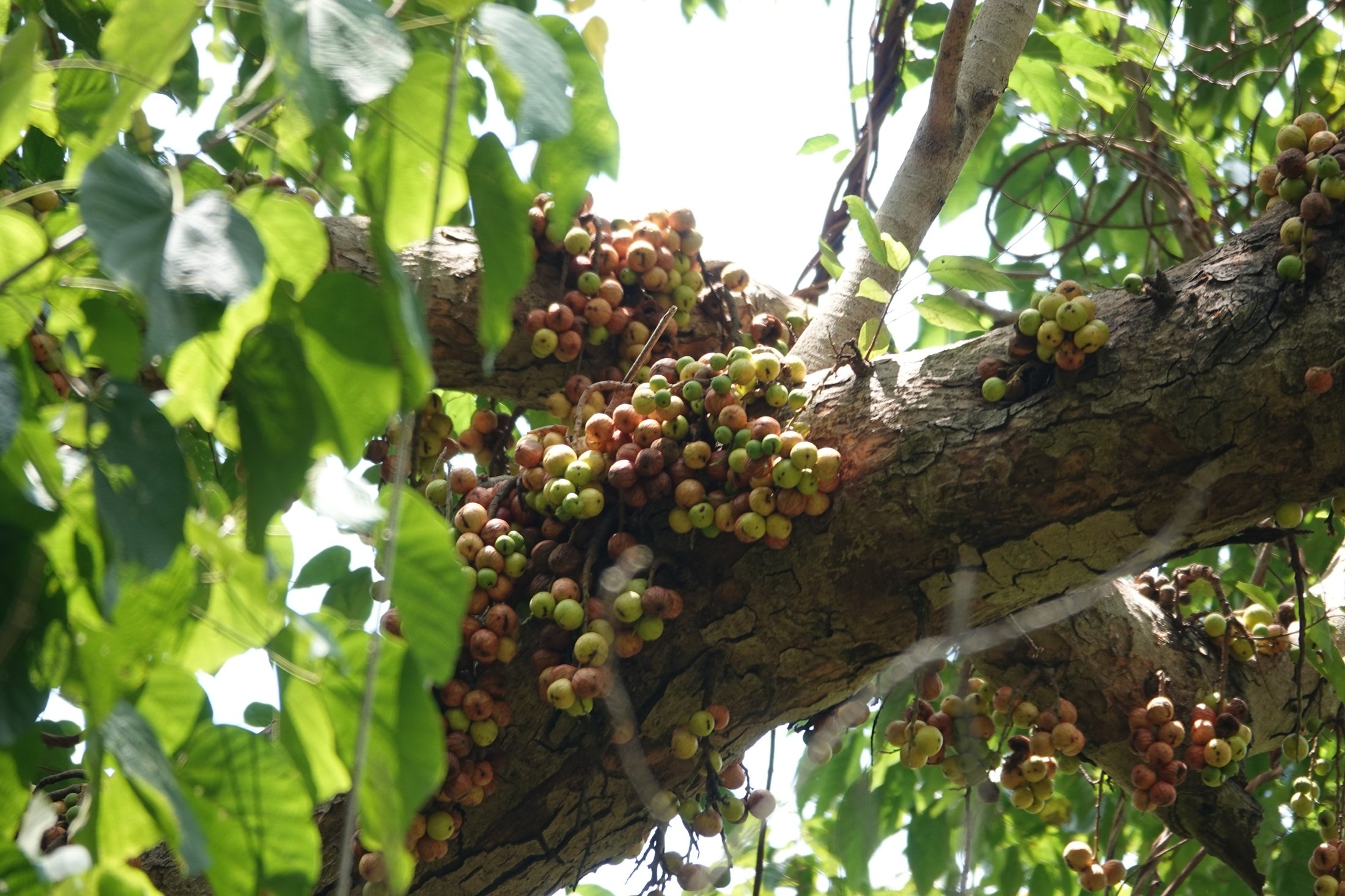
There was a fig tree that was covered with fruit and it provided us great views of many birds. Slaty cuckoo-dove, olive-shouldered parrot, white-tufted honeyeater, black-chested honeyeater, loads of plain gerygone, (they live up to their name), Wetar oriole, (pictured), Australian spectacled monarch, and my favorite, the tricolored parrotfinch all made appearances. The parrotfinch is a tiny bird. We saw it briefly and then I found it feeding on the figs. It was hard to find because it was the same size as the figs and actually looked like one of the green fruits. What a treat.
At one point a Bonelli’s eagle was seen soaring over the ridge.
A cinnamon-banded kingfisher showed well through the scope, (more on kingfishers in a minute).
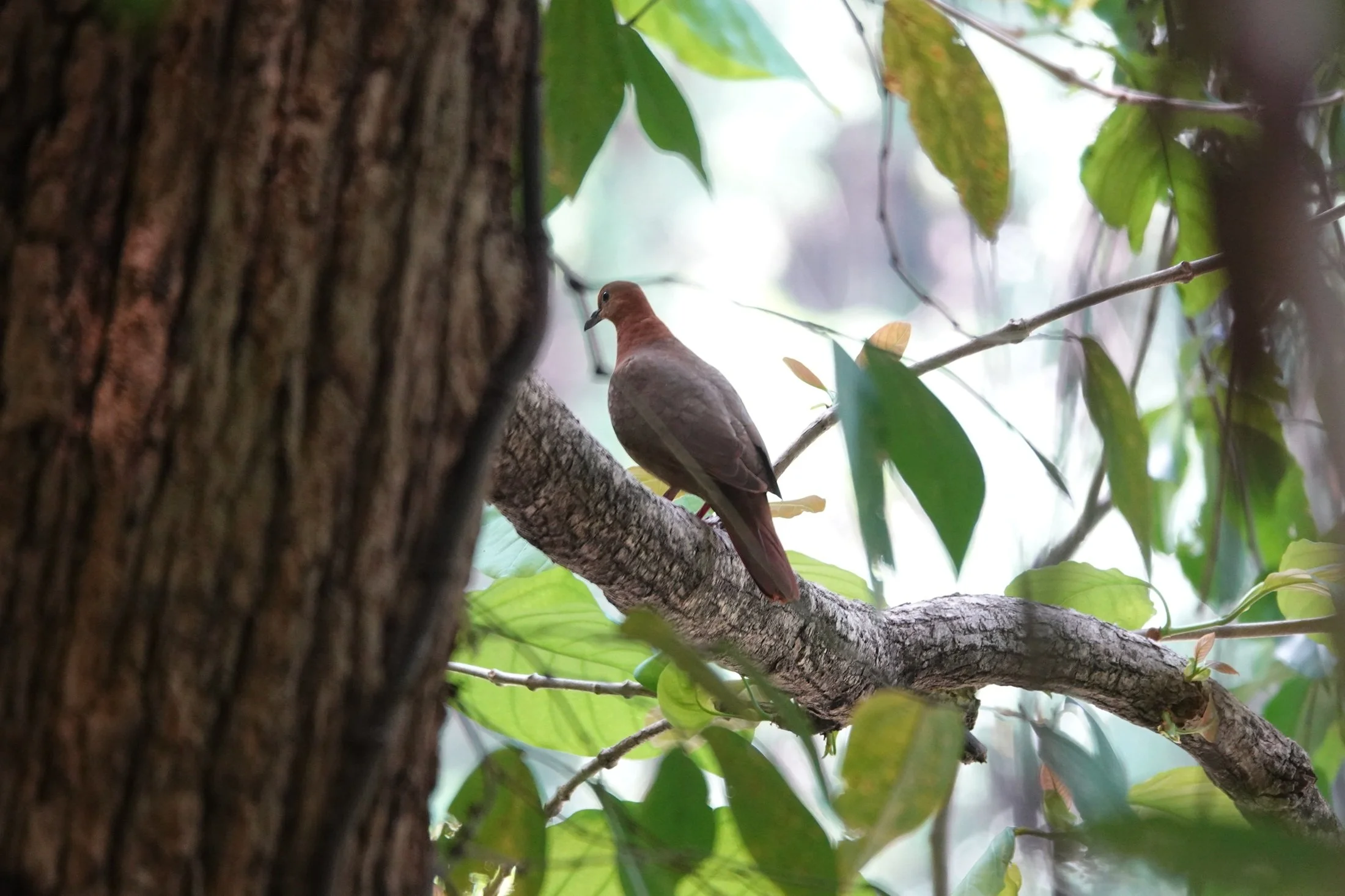
The star of the show was without question the Wetar ground dove, (pictured). It was our number one key target because there aren’t a whole lot of them and they are pretty reclusive. At one point a male with its white head shot across our field of vision. Finally, a female popped up close to the trail and then perched for an extended period of time. What a treat, what a gorgeous bird.
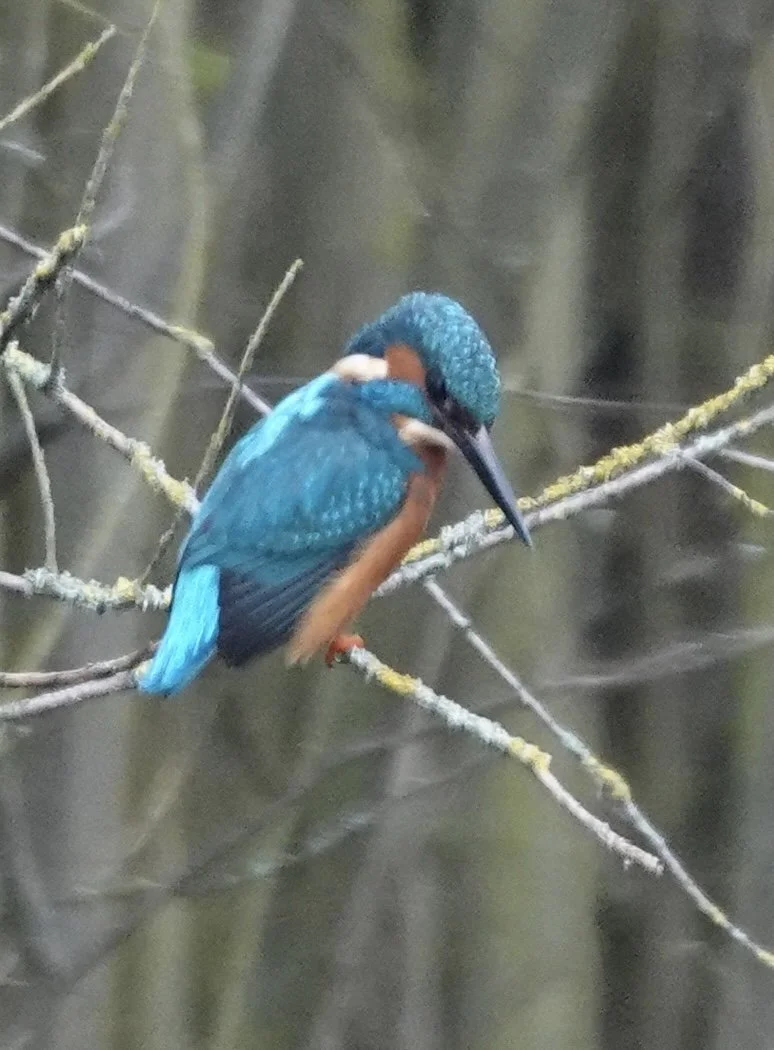
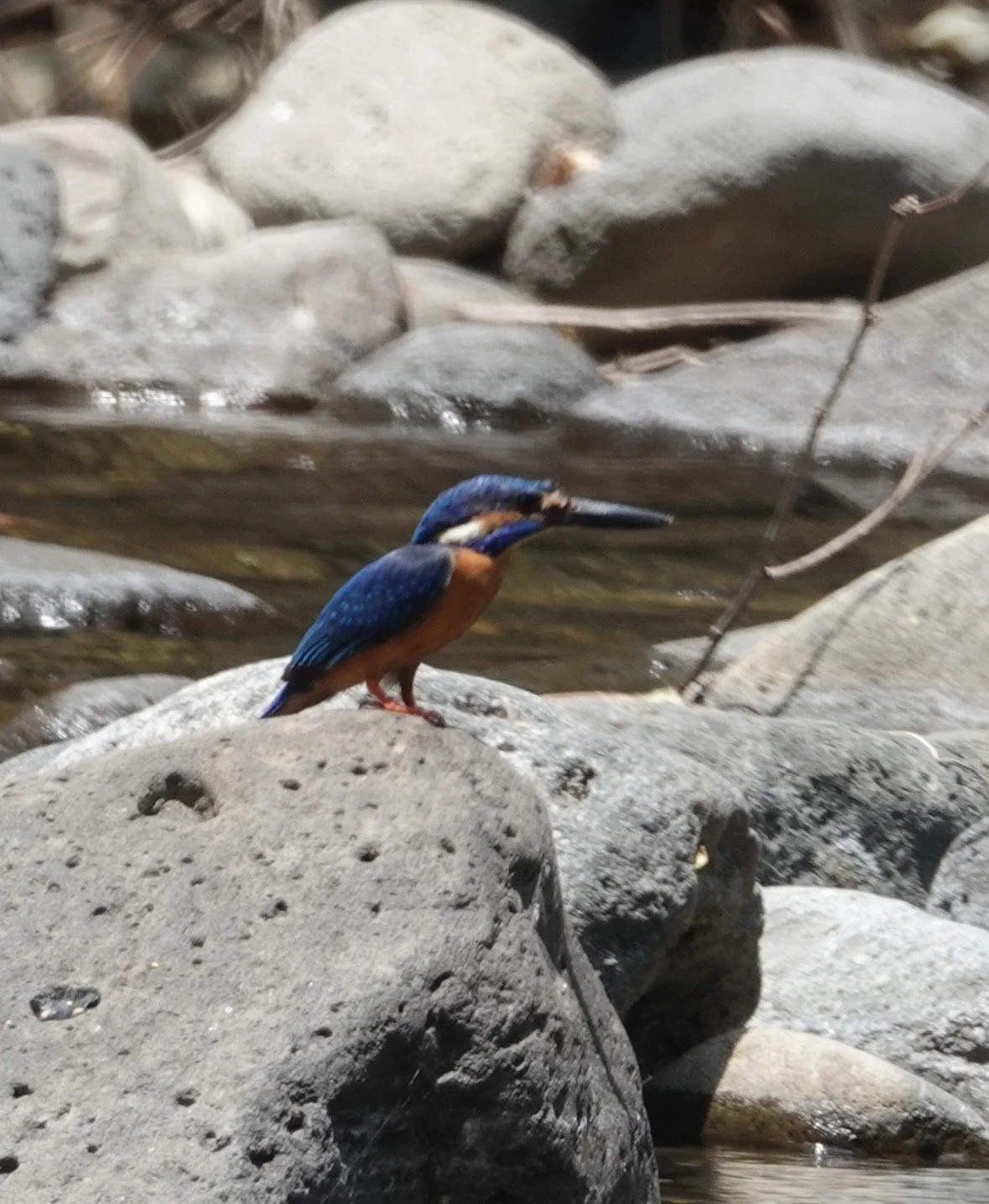
Now I’m going to wade into a little controversy. We saw a common kingfisher, an old friend from London. But this bird didn’t look all that much like our London friends. Yes, the field marks are the same but the coloration is from two different palettes. I leave you with pictures of both birds. You be the judge.
49 species, 18 lifers
Dump Truck Birding
September 20, 2026
Yesterday we did such a great job of finding the target species, (and then some), that there was really no reason to go back to where we’d been. Vinno, (sic), our local guide looked into us birding in the highlands of Wetar.
Apparently, there are all sorts of permissions that are needed to bird there. There’s a copper mine in the area and there is politics as well. I don’t know the details but I do know that late yesterday evening we found out we could bird the highlands.
BTW, my approach to bird tours is very simple. I have three jobs, show up to the bus, (or in this instance the tender), on time, find birds, look at birds. Everything else is the company that is doing the tour’s job. I smile because on every tour there’s a Wednesday, someone who likes to be in the middle of everything. When they ask me what’s going on I invariably say, I don’t know, it’s not my job. True story.
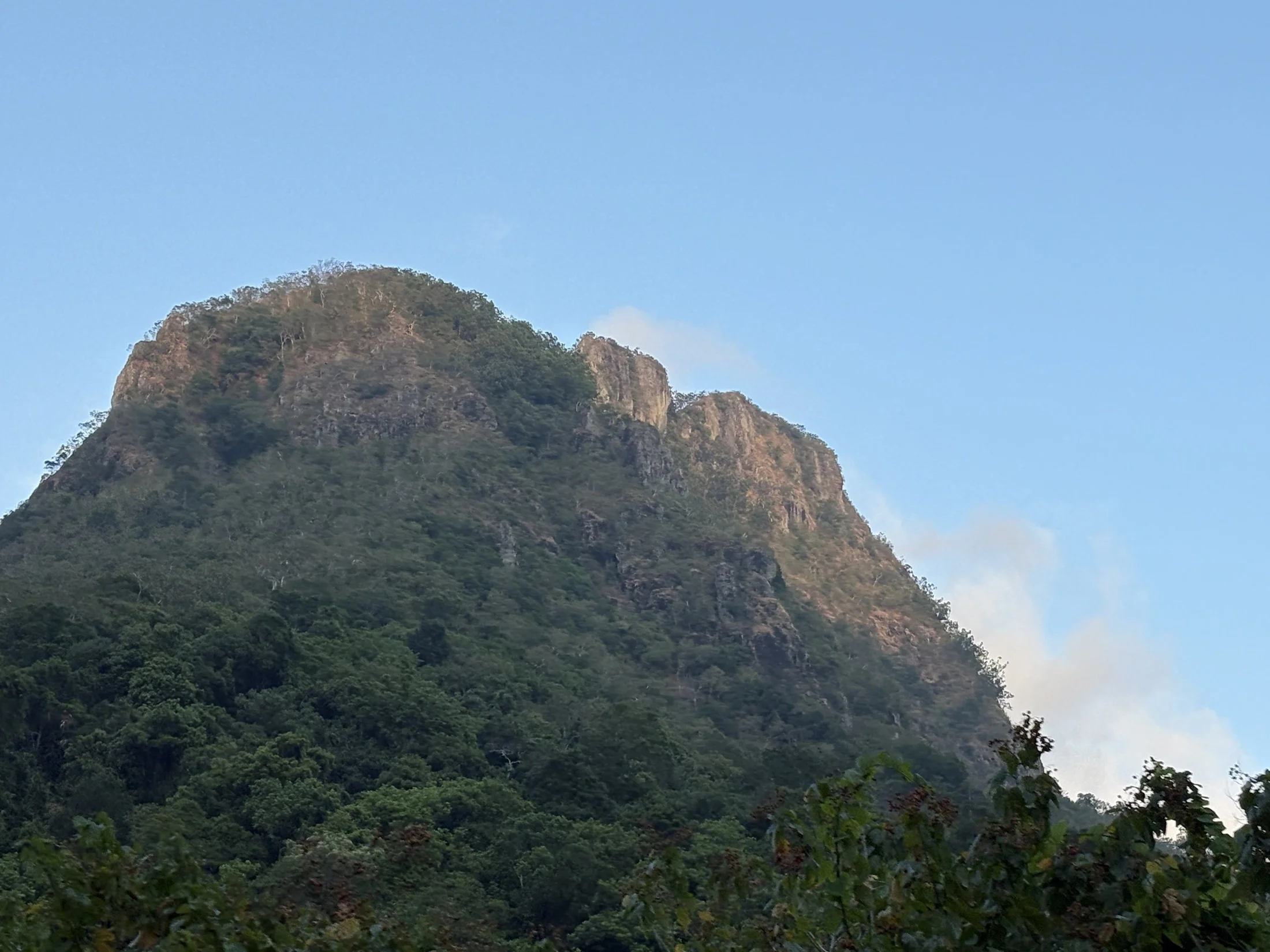
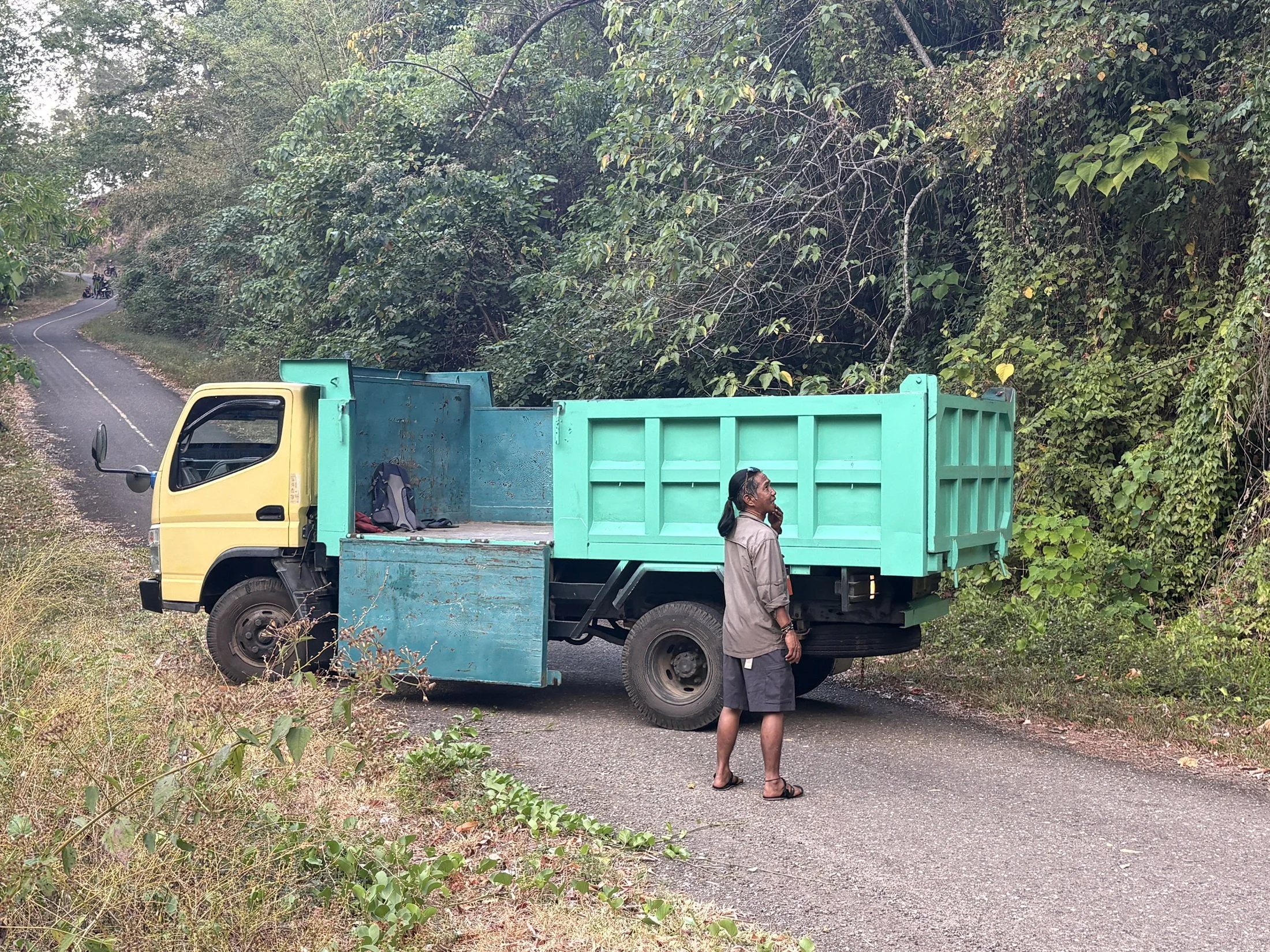
This morning we took the tenders to the shore and our limo was waiting…a dump truck. We all climbed in the back via a side door and a chair. I sat down throughout the journey, everyone else mostly stood. Surprisingly the bed of the back of the truck was very clean. And because we were on roads that were being used by the mining company they were paved and very well maintained. The territory we traveled through was filled with soaring beautiful peaks.
It was a great morning of birding. We saw both iris lorikeets and marigold lorikeets fly by early and later in the morning we got glorious views of the marigold lorikeets.
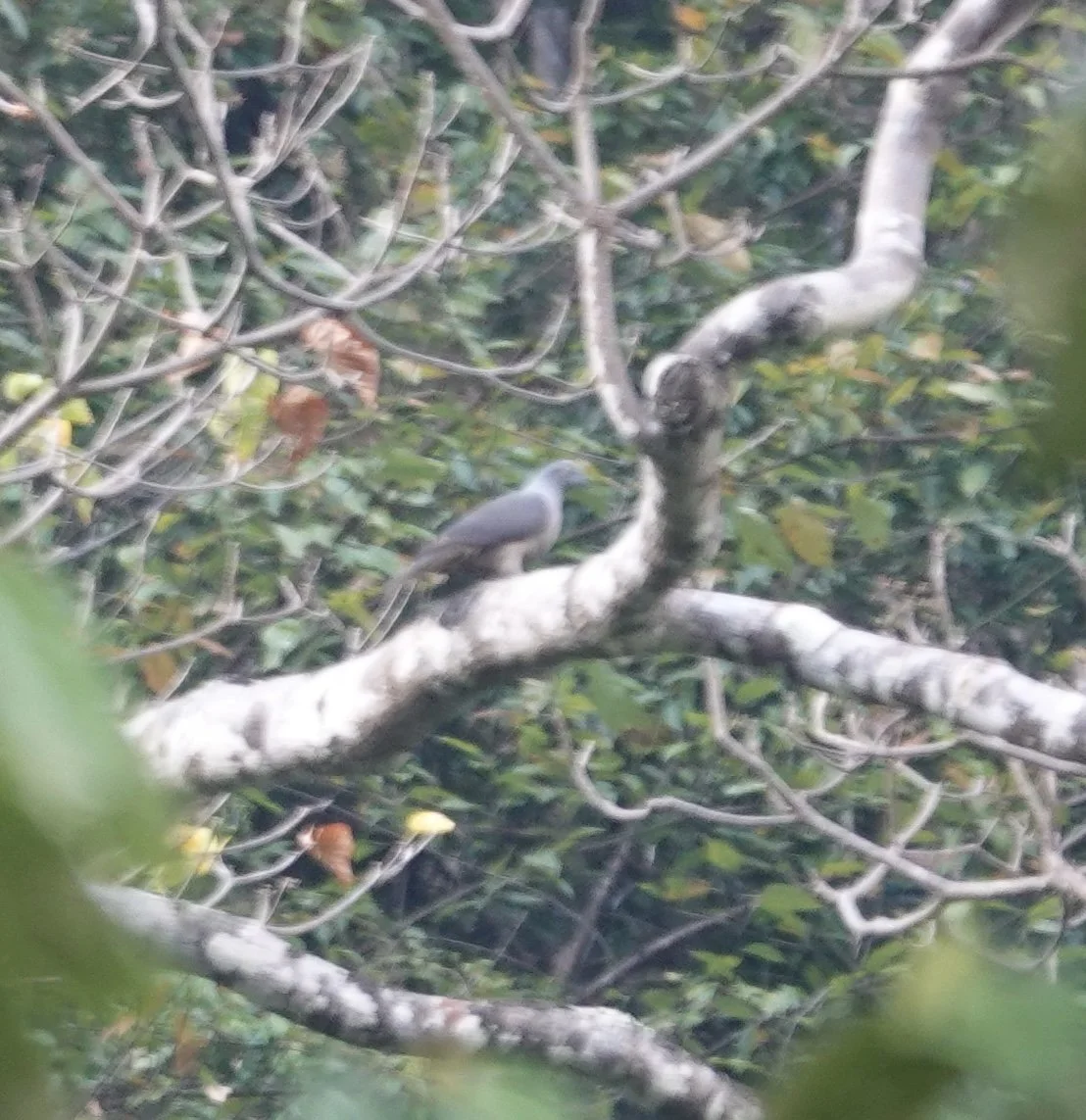
The star of the show was a little cagey. We heard it sing often but couldn’t find it. Until…David shouted at us to come to the scope. Me being the FOMO birder I am I was first to the scope. And there it was, in all its yellow eyed glory, a Timor imperial-pigeon. (I’m including a poor, diagnostic picture because it’s just such a special bird.) Wow! A this is why we bird moment.
On the way back to town we got brief glimpses of the Timor leaf warbler. And great views of the brilliantly colored metallic pigeon.
What a fun way to end the Wetar part of this trip, birding from a dump truck. (We actually walked the road a lot to find these birds but still.)
51 species, 5 lifers
Quick Work and a Bonus
September 21, 2026
We sailed yesterday afternoon and all night to Leti, arriving just before breakfast, which was at 4:30.
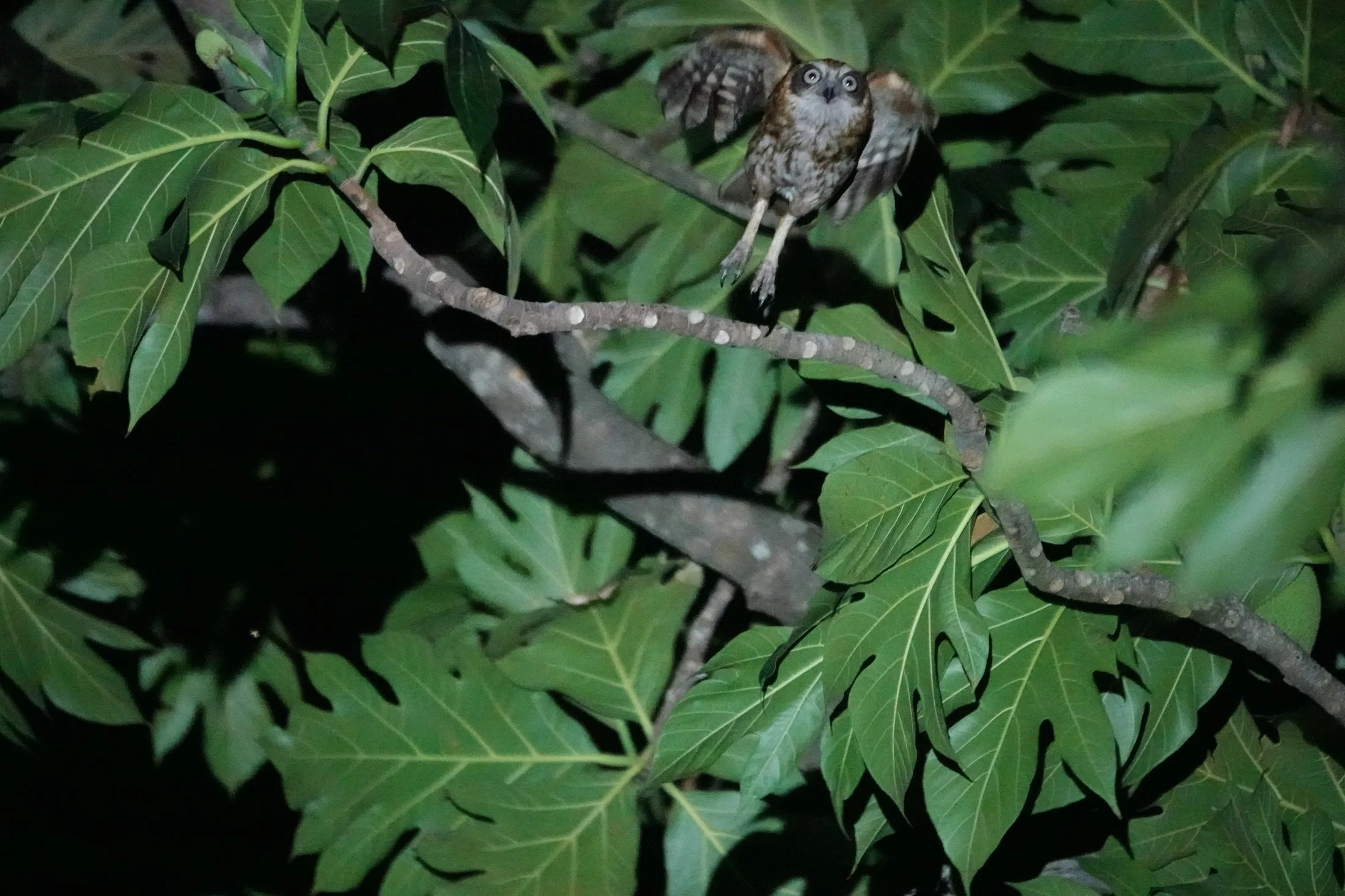
Leti is an island that is very seldom birded. There were two species we were looking for. The first David and Forrest played for as gospel music was loudly playing from a nearby mosque. Soon enough an Australian boobook,(pictured), called back. It was found very quickly and the views were excellent. They were so excellent in fact that I decided I should try for a picture. I was fiddling getting my camera out of its case and got it lined up with the owl just as it was taking off. A cool picture made possible by me being a slow poke.
It was still dark after the boobook was found. We birded the road a bit and found a brown goshawk, an old friend. Eventually there was enough light to go into the forest. It was a flat, easy to navigate, trail. We stopped at one spot where Forrest and David started calling our key target. Eventually we got views of a gray friarbird. What a special bird. It’s endemic to Leti and one other nearby island. As it continued to get lighter the views got better but at 6:44 AM we’d made quick work of finding the two targets we wanted.
Forrest and David are extraordinary birders and great trip leaders. What happens when you get two such leaders together? Most often targets are found and oftentimes very quickly. They made it a point of finding lots of other species. They were all old friends but there could be splits sometime in the future.
A perfect example of seeing old friends who could be split occurred as we hopped in the back of the two trucks we were using for transportation and headed down the road. (These trucks had benches to sit on.) No surprise, Pete soon found zebra finches along the road. Old friends from NT but these are the Sunda subspecies so there is certainly consideration being given to doing a split of this species. (It was recently lumped with the Australian subspecies.)
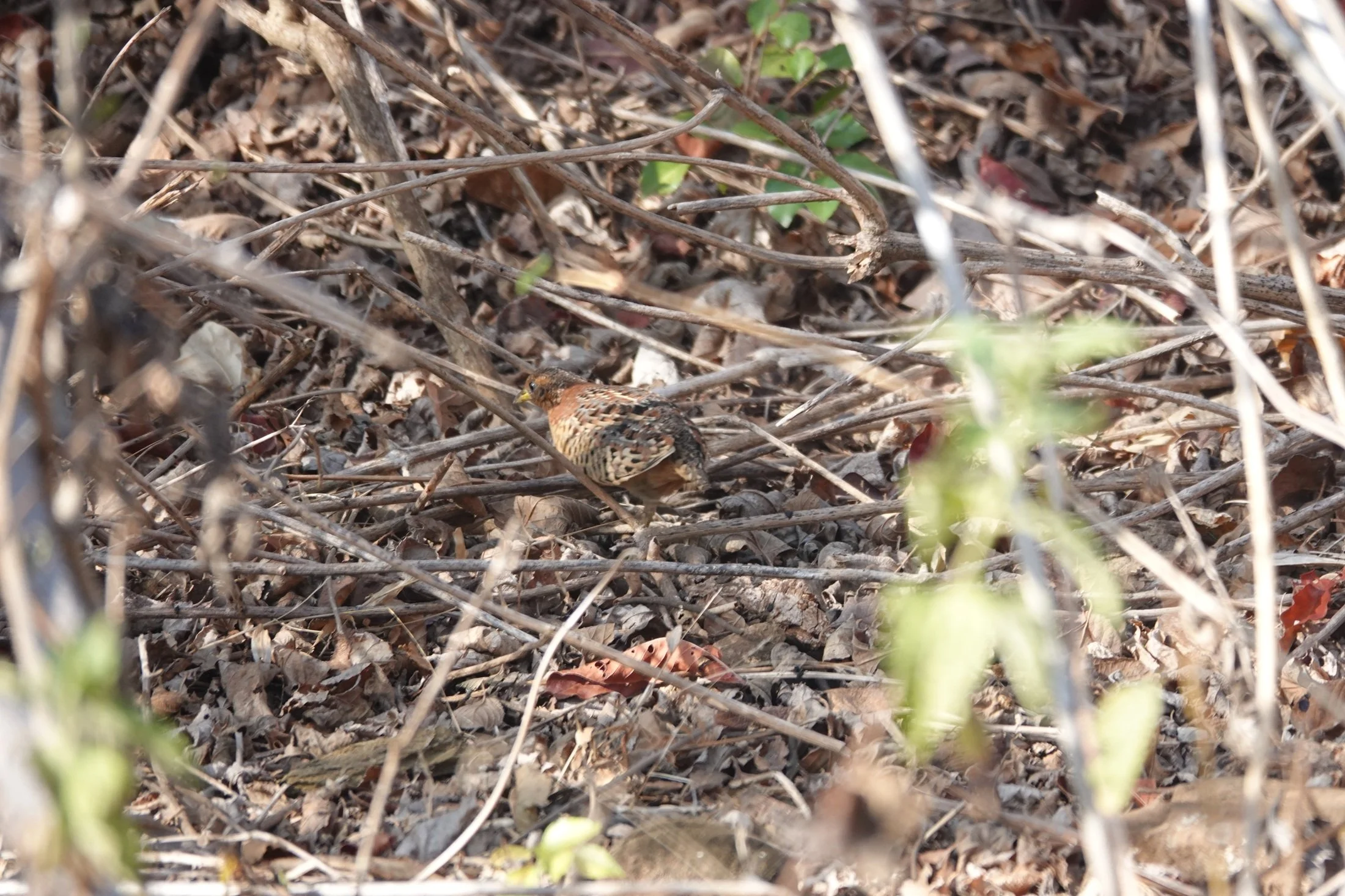
We continued down the road and Forrest decided to do an experiment. He played a buttonquail call and red-backed buttonquail, (pictured), appeared beside the road. Wow!!! Usually, you see buttonquail, when you flush them on a trail and they explode out of the brush. What a treat to see them very close. They seemed so undisturbed by us looking at them. A true bonus bird I never expected to see on the 7000to70 odyssey.
29 species, 3 lifers
Uphill Climb
September 22, 2026
Before I start today’s story I have to share some wonderful news. From what I read and what I was told I thought I would have to send my passport to the Ghanaian embassy to get a visa. I decided to get a leg up on the process by doing all the paperwork online yesterday. As I went along, I had some questions and the person on the chat box was very helpful. I got to the point where I paid and just like that my application was in for processing. I asked the chat box and they said that the passport picture page and the picture of me were enough information for them. In just a few minutes my visa was approved. Yippee!! I was dreading having to send my passport to the Ghanaian embassy and hoping it gets back in time. Now I’m all set to go to Ghana end of next month.
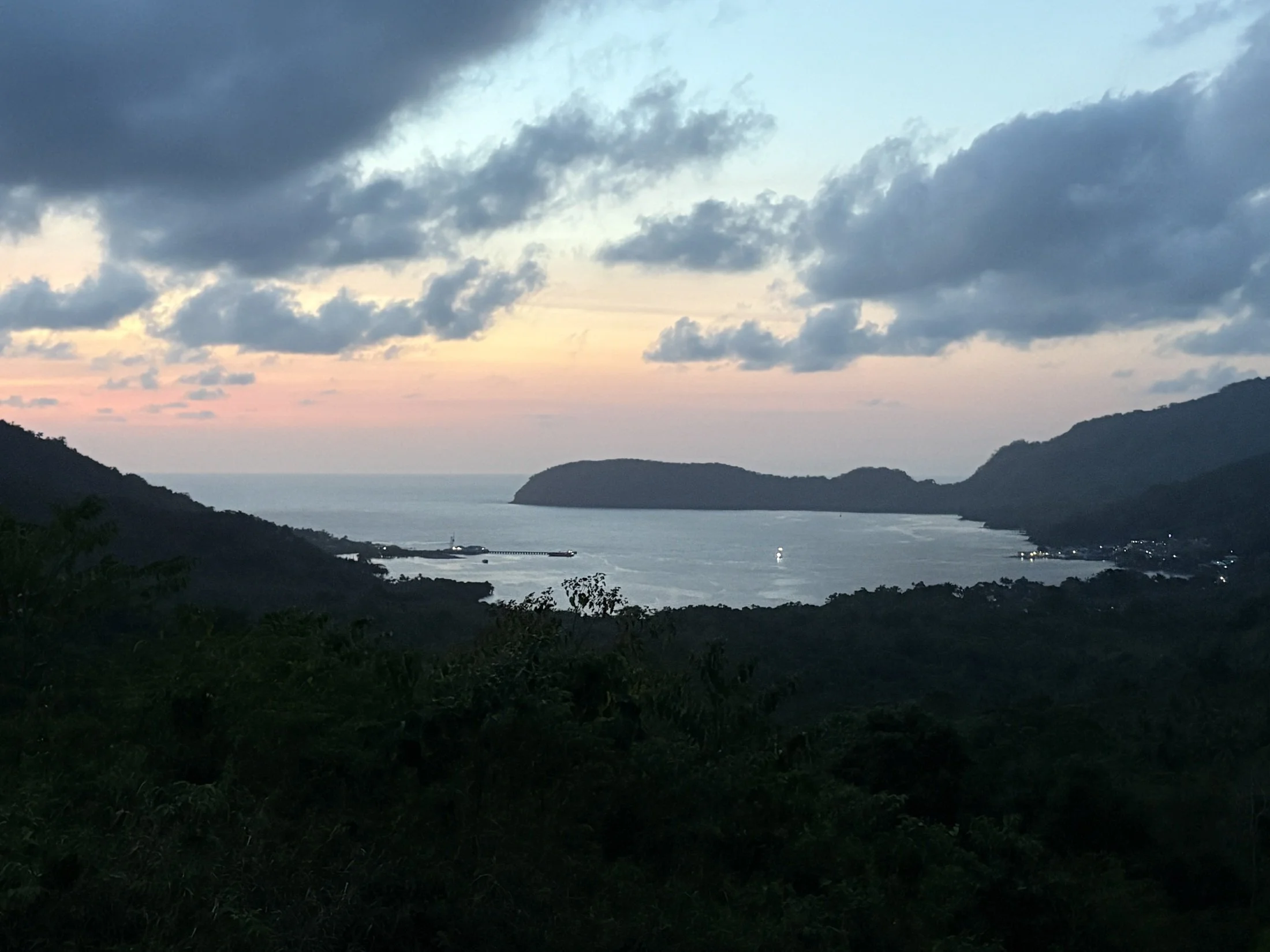
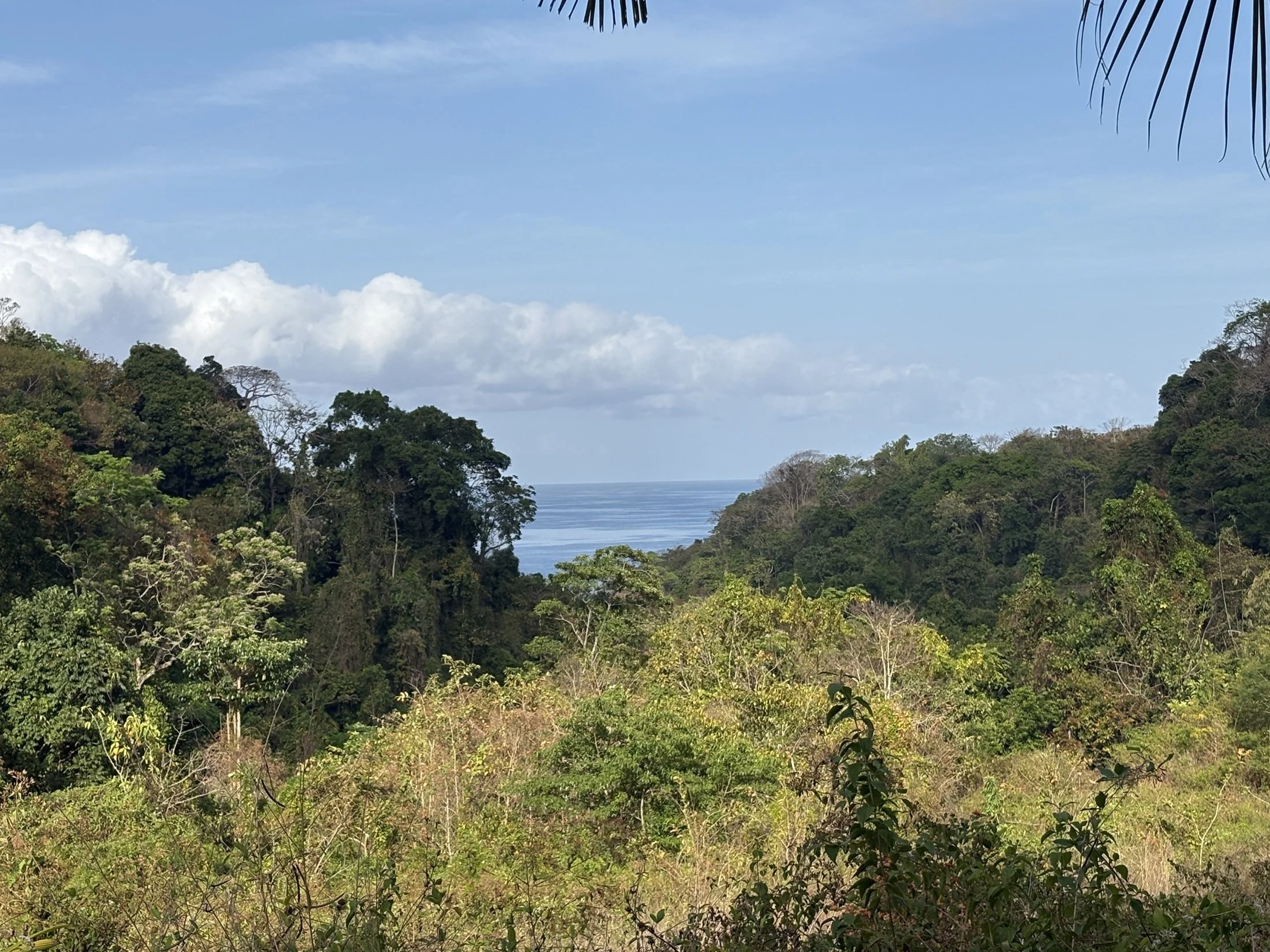
This morning we birded Damar. We had to do a brutally steep climb to get to where we were birding. About 1000 feet of elevation gain in a little over a mile. We stopped many times but it was still tough. I was surprised by how my stamina has declined during the boat trip and I would imagine, the whole four months I’ve been out birding. I’ll have to figure out a way to address this in 2027. The picture of the bay with our ship in it was from one of the first stops on the climb up.
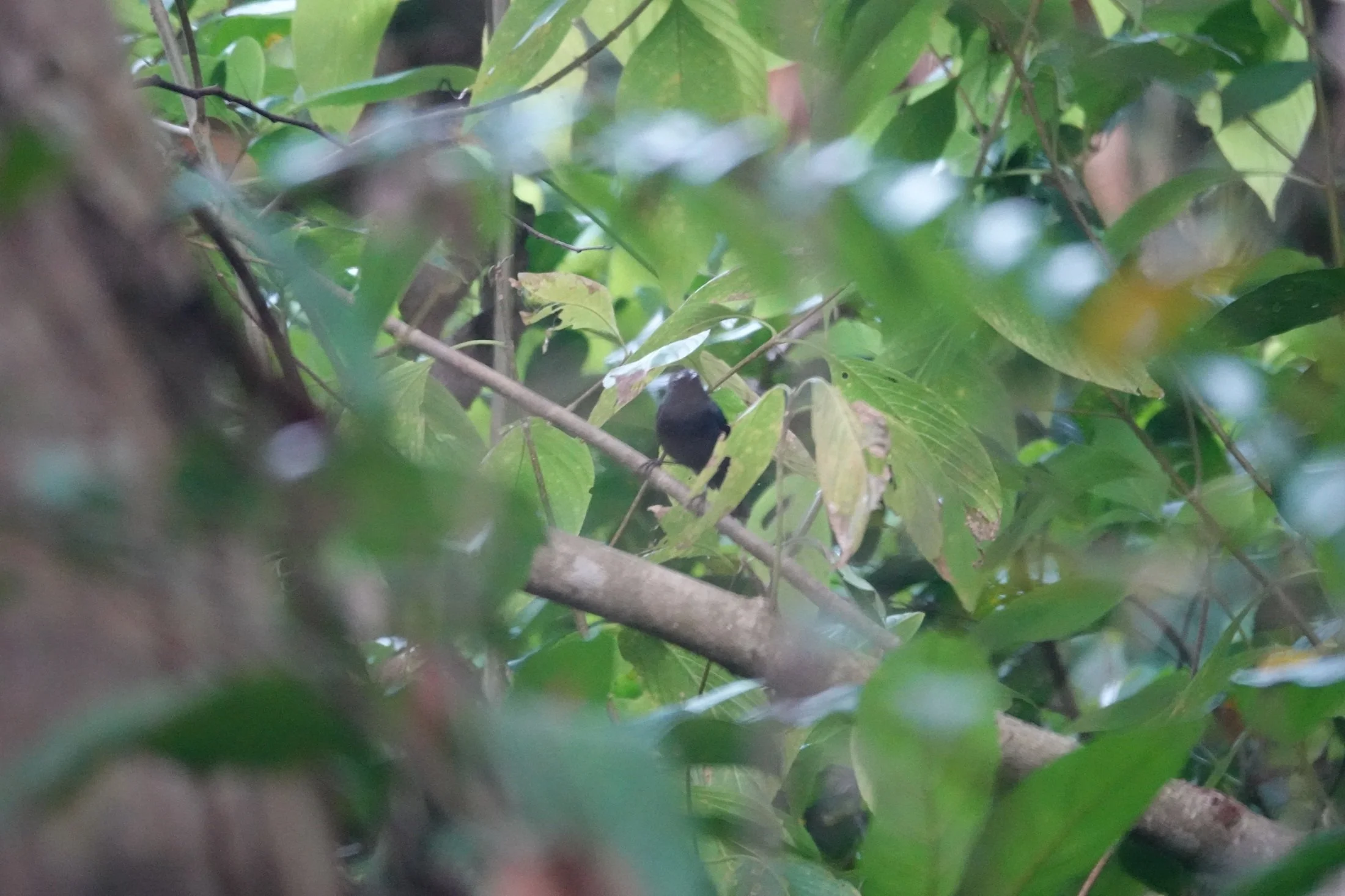
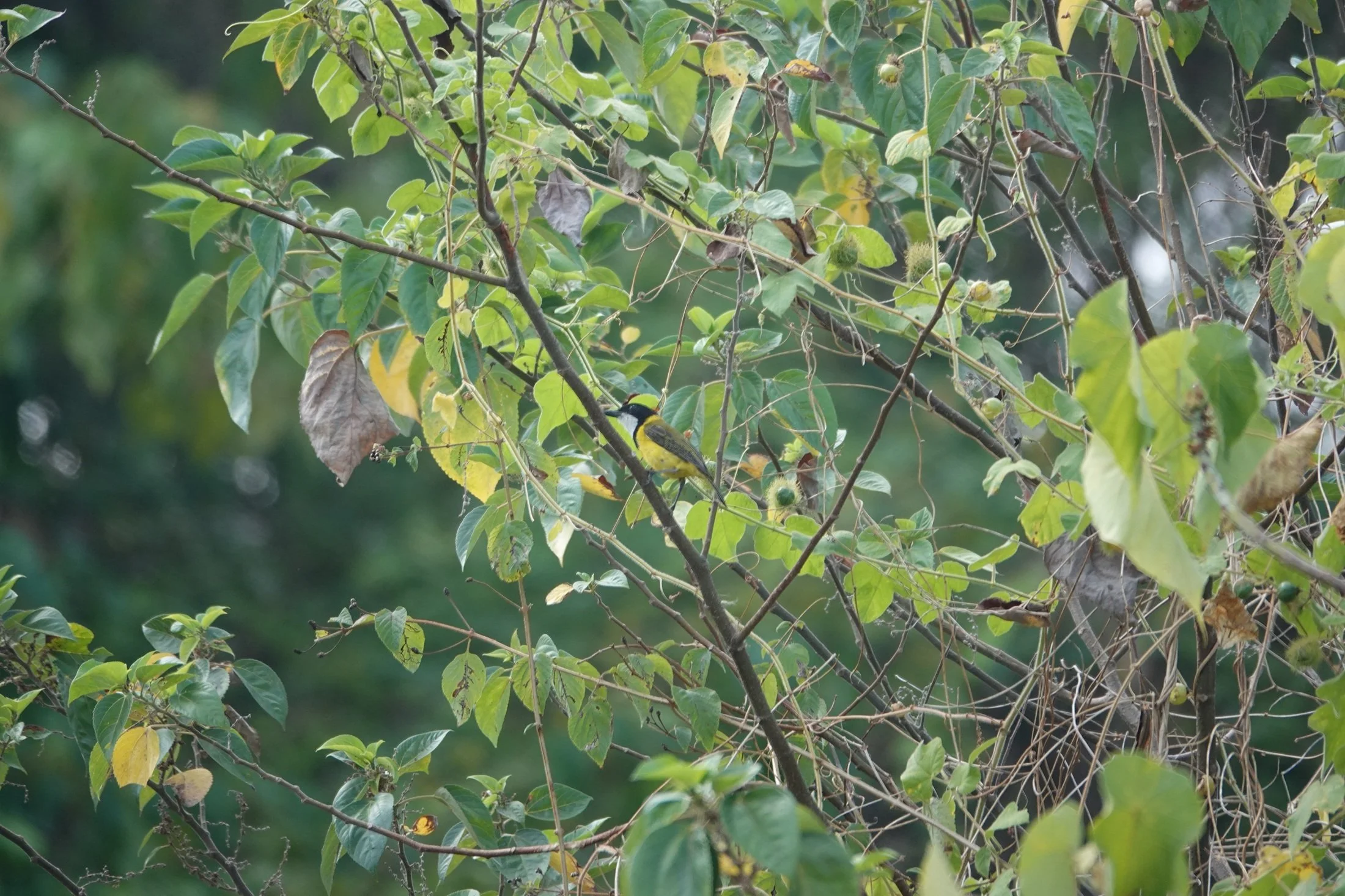
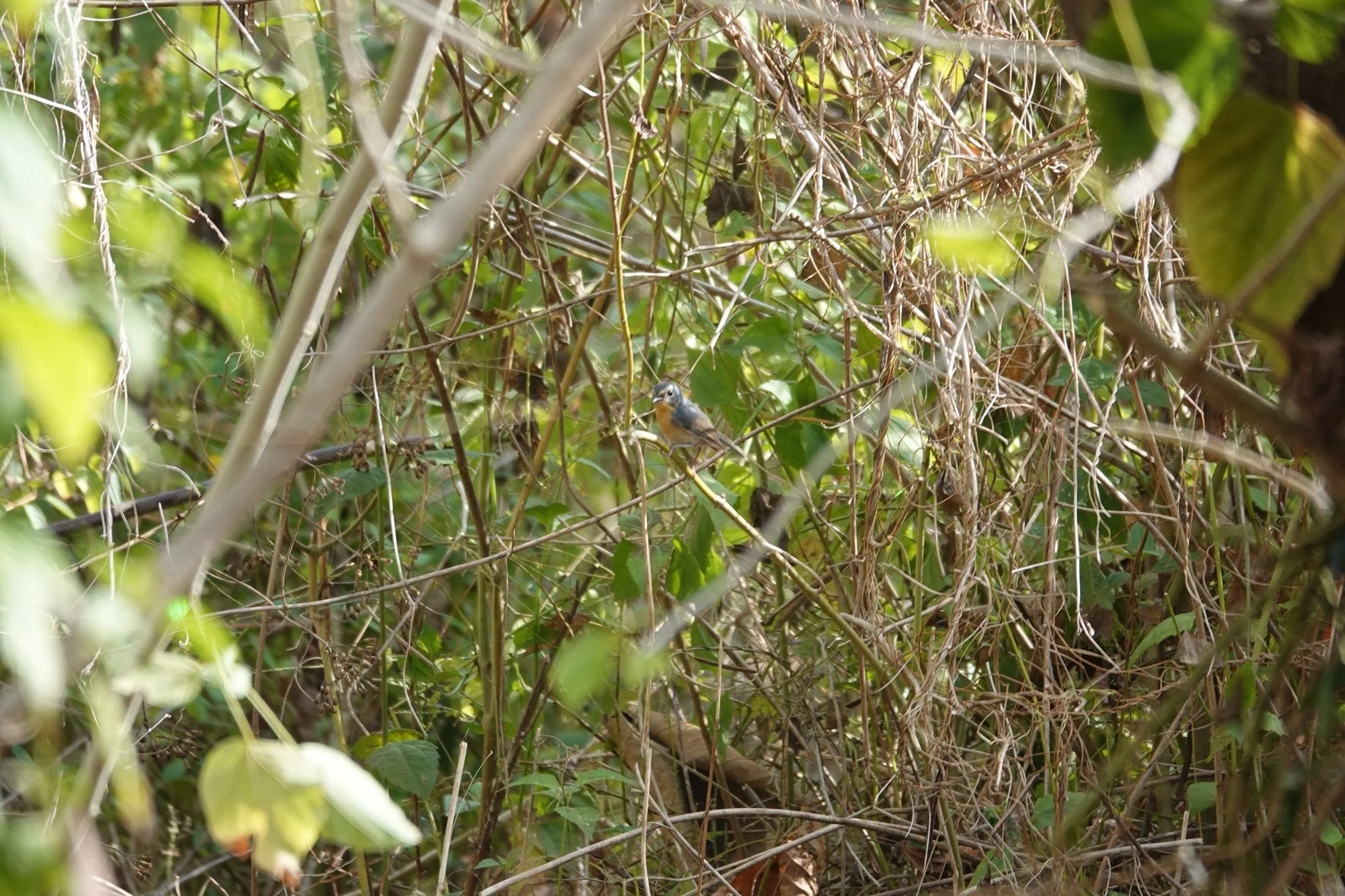
The obvious question then becomes was it worth it? I would answer with a resounding yes to that question. There was one super important target and we found it a short distance up a trail, the Damar flycatcher, (pictured). Endemic and gorgeous. I took a picture but it wasn’t great. Poor light, poor photography, hey, I’m a birder after all.
At the same spot we called in a Banda Sea pitta.
We went up another trail that was incredibly steep. Once again, we were rewarded for our efforts with wonderful views of Banda Sea monarch at the first stop and Wallacean whistler at the next stop.
As we climbed down from this steep trail I couldn’t help but think of the slippery trail we went up and down to see the brown hornbill in NE India. I gave Forrest the name of that species and we just laughed at the memories of that day of standing in the rain to see this most incredible bird.
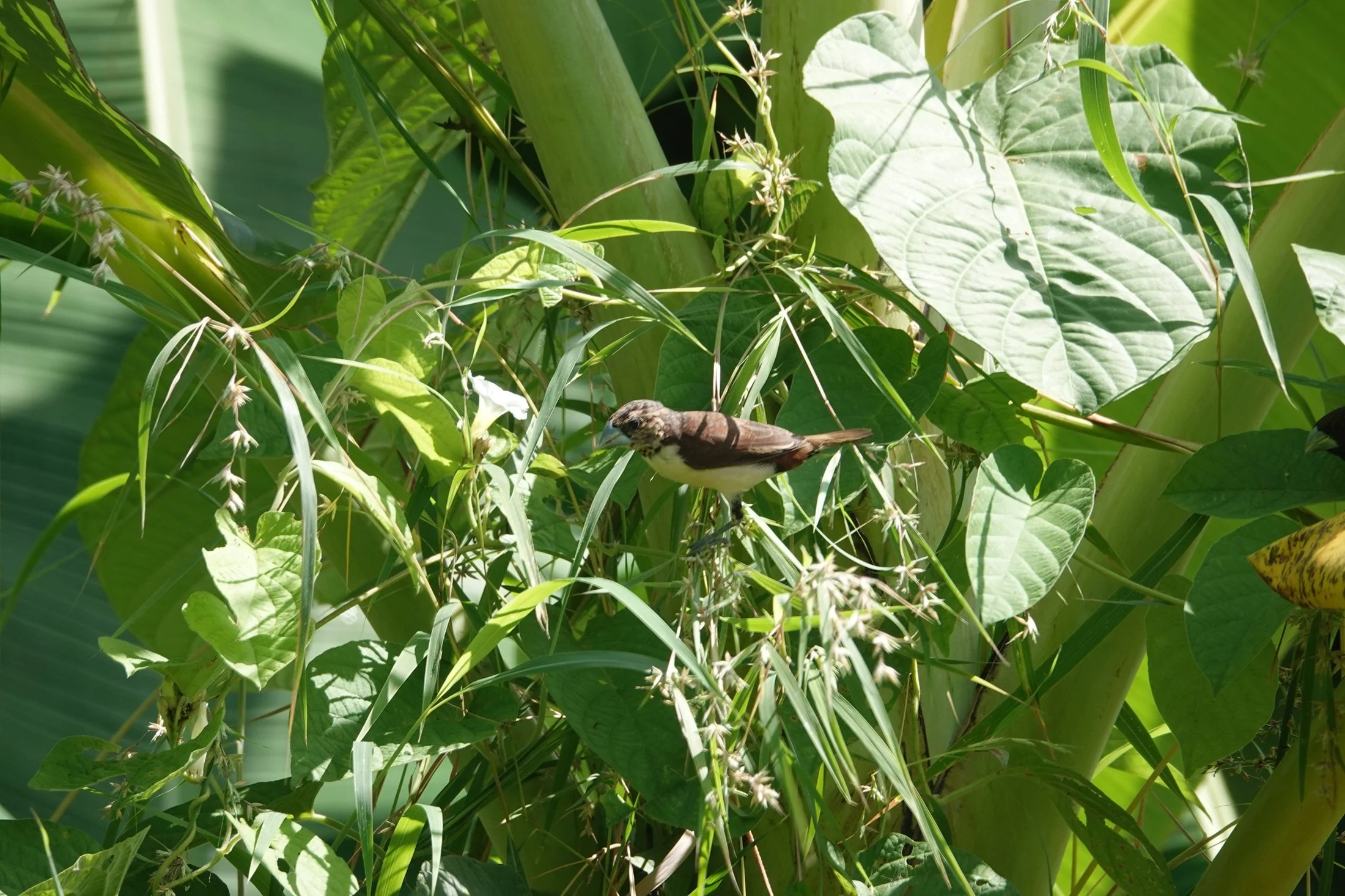
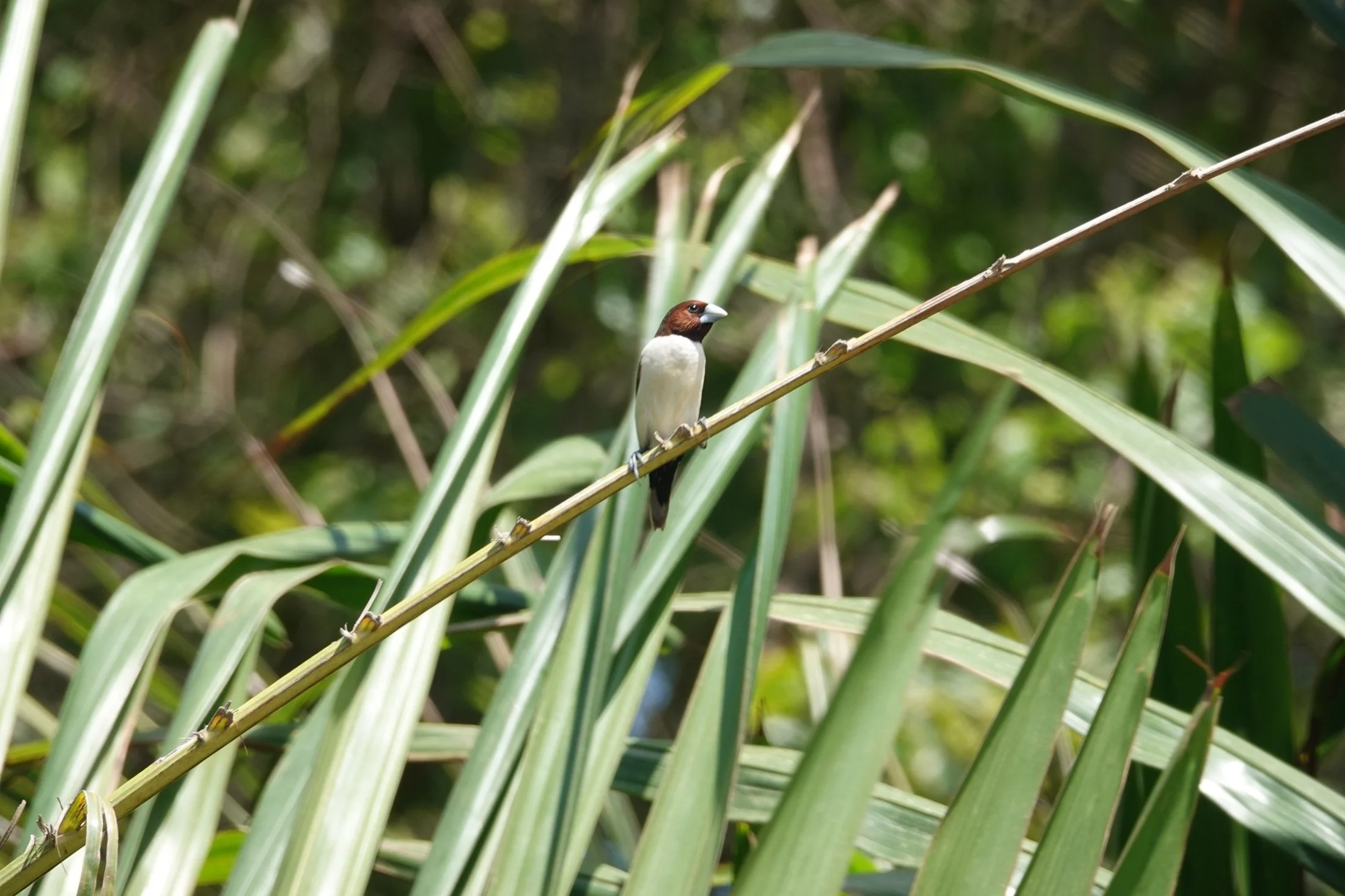
The trip down was an adventure too because it was so steep. When we got to the bottom we got wonderful views of five-colored munia, (pictured). This bird is so beautiful I’m including two pictures, one of a juvie and one of an adult.
When we got back to the boat I got the pictures downloaded from my camera to my phone and then into Dropbox but that’s as far as I got because I was so sleepy. But what an incredible day of birding. I finished this job after a nap and lunch.
27 species, 5 lifers
Barbar Island
September 23, 2026
Another day, another island. We arrived in the harbor of Barbar Island a little later than expected. We did a tiny bit of owling when we got to the island but it was late. Late for owling, BTW, is as it’s getting light pretty typically. An aside, Vinno is our local guide. He’s been fantastic the whole trip. Before I talk about more about today’s birding I’ll make clear what should already be obvious. This tour is not about big numbers of species. That said, we are seeing birds that can never be seen anywhere else in the world. Today was no exception.
We had four targets today. First up were cinnamon-tailed fantail. Of all the fantails I’ve seen I think is the most colorful.
Banda myzomela was next up. What a gorgeous red head. We then got some views of a Babar whistler, (pictured). Maybe the most important of the birds we were looking for. We saw a female first and then got progressively better views of both sexes. My picture is okay but just.
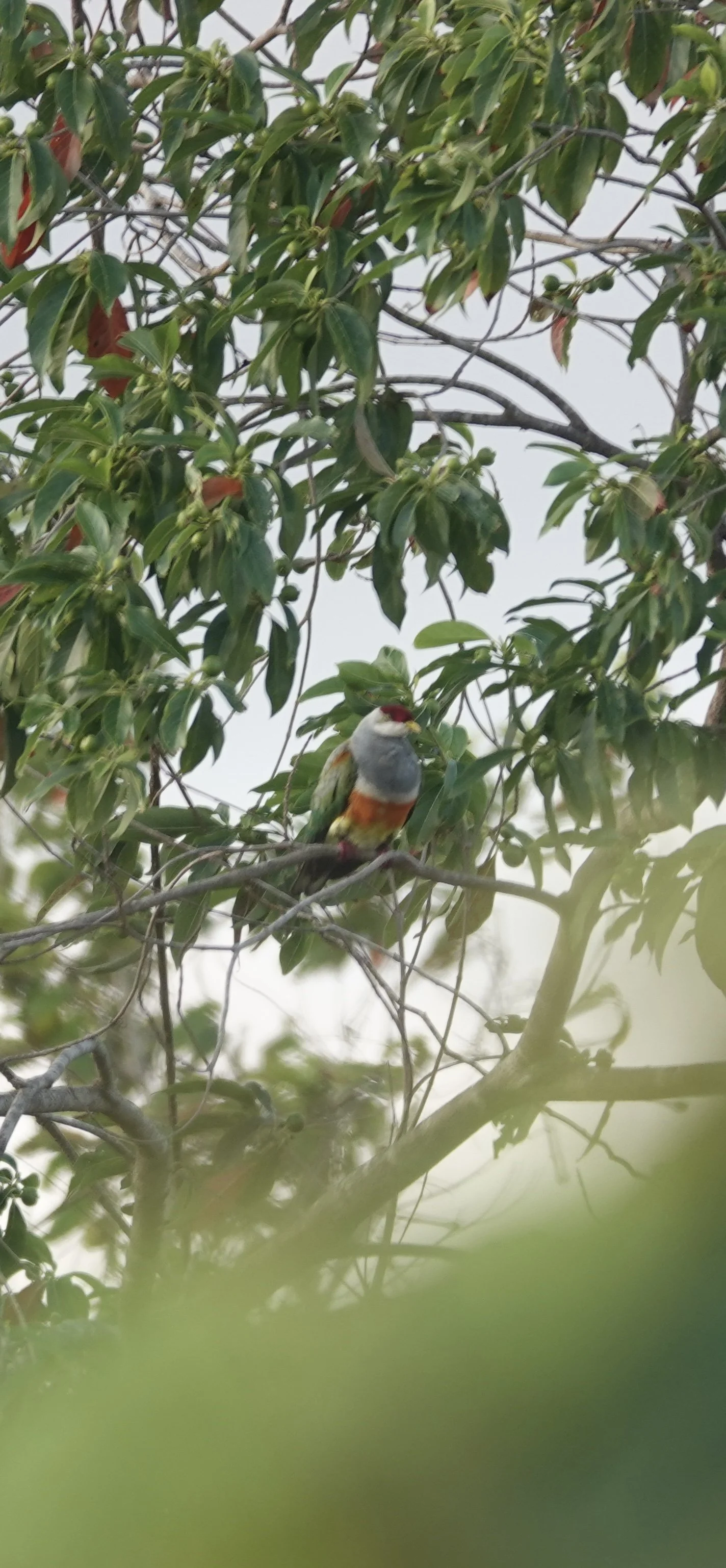
We also saw flyby Wallace’s fruit doves and heard many. We’ll see more of them in a couple days where they are the default fruit dove.
We also saw many old friends. I saw a tricolored parrotfinch in the sun. It was so stunning I thought it was a pitta. Snowy-browed flycatcher, (pictured), was another old friend we got great views of.
At the shore we saw fairy martins and tree martins. Old friends that have never been reported on eBird for this island. That’s the thing about these islands. They are birded so infrequently that there are probably all sorts of birds on them that have never been reported.
We’re underway to the next island now. This afternoon after lunch I will do some sea watching until a nap intervenes. We only have two more nights on board. Hard to believe that this four months of the 7000to70 odyssey will end soon.
40 species, 4 lifers
Coral Island Birding
Before I write about today’s adventure, I have to tell you about an email I got yesterday. The flight I was on to get to Jakarta was canceled and they rescheduled me for the next day. The day I’m flying to Tokyo to go home. That was a problem. I decided to try to book a flight for the 3rd, the day I was planning on going to Jakarta. (Eventually I got my money back for that one because no flight existed on that day.) The airline gave me the option of changing to the 2nd. I did that. This change impacted every person on the Kai extension, so David decided to end the tour one day early. What it means is that instead of having one night in Jakarta I will have two. Hmm…
I got to talking to Pete and he told me about a guide he had used in Jakarta to go to Jakarta Bay. I contacted her and we will be birding Jakarta Bay on the 3rd. That should be great fun.
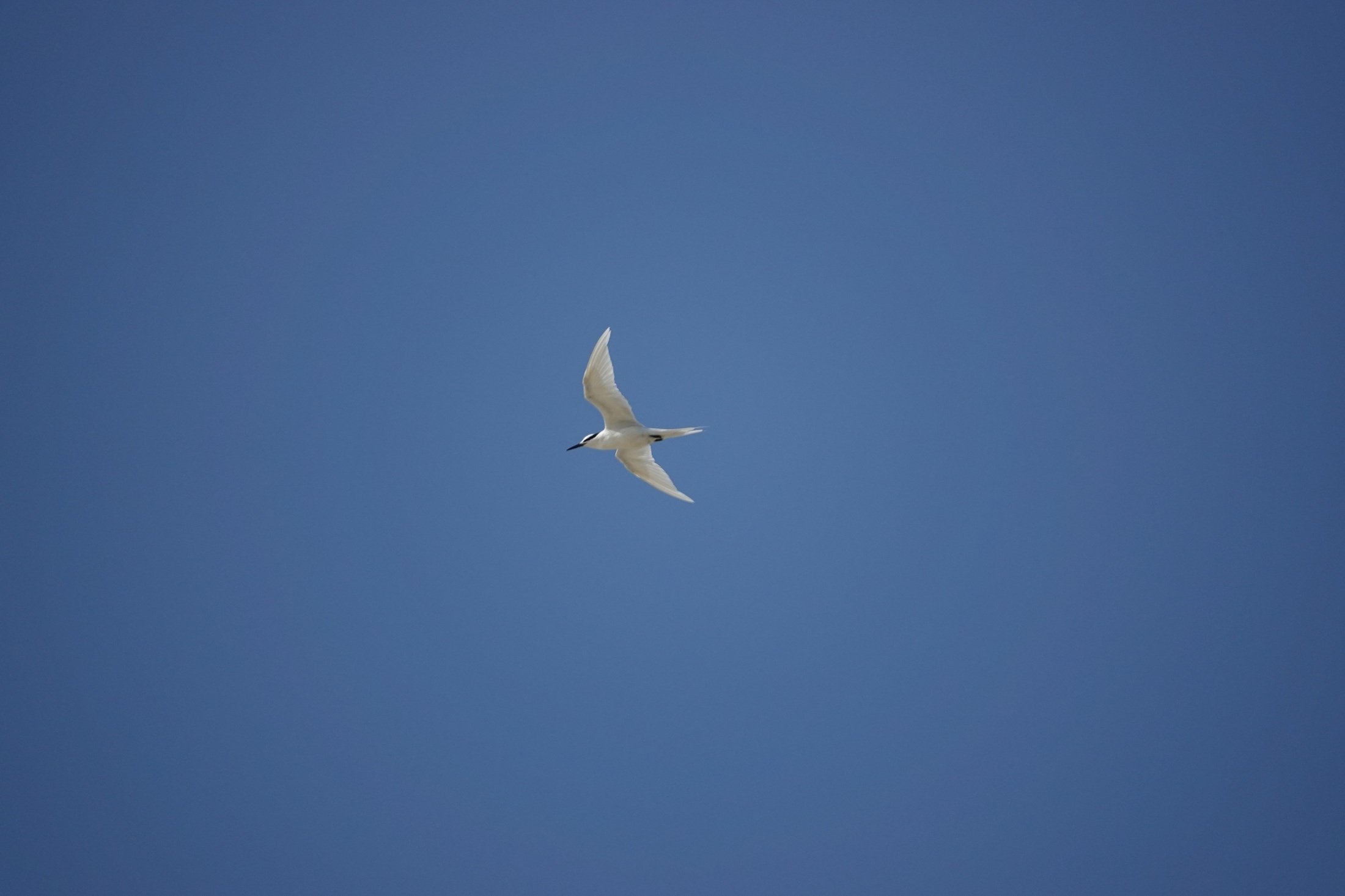
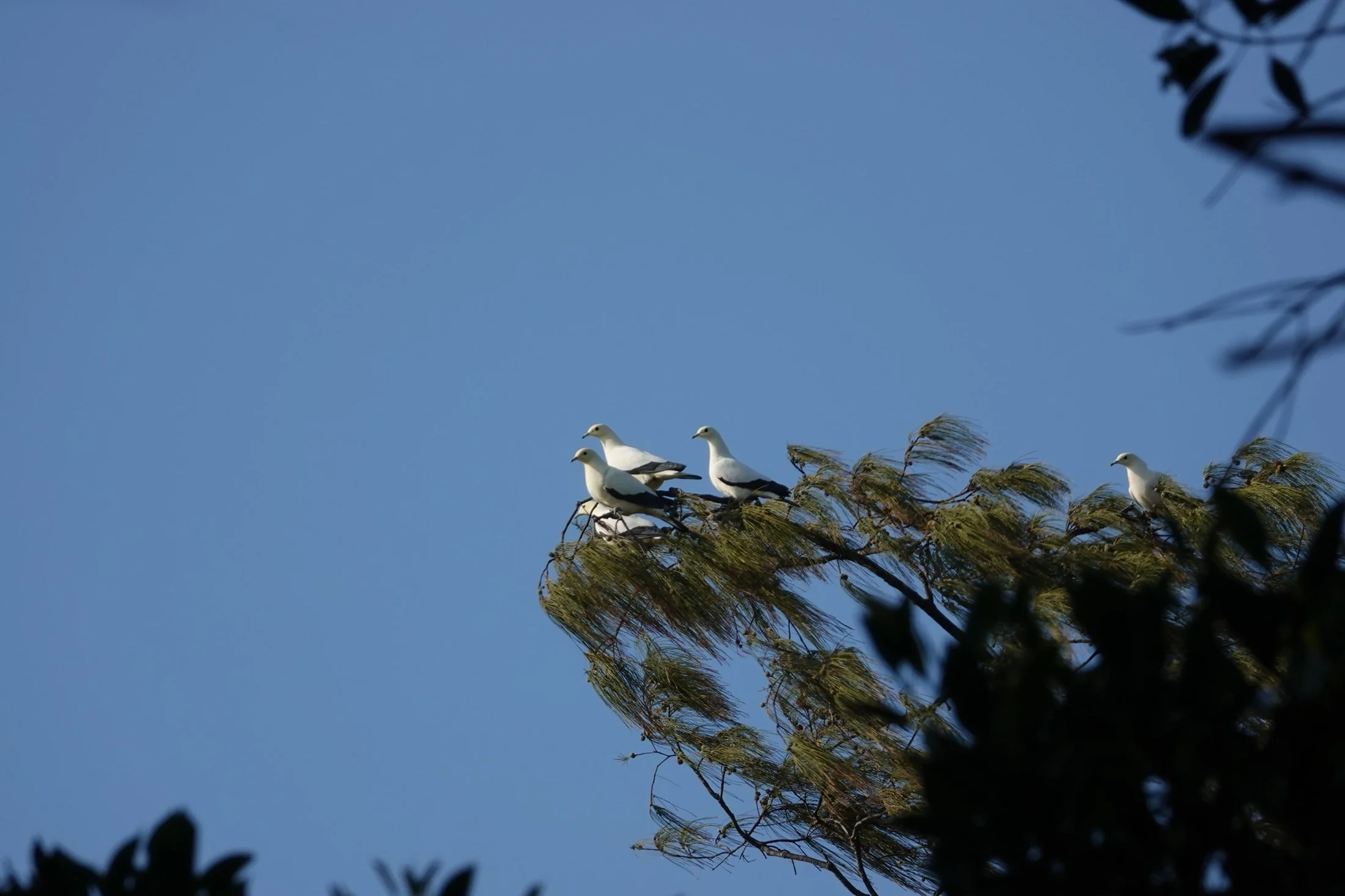
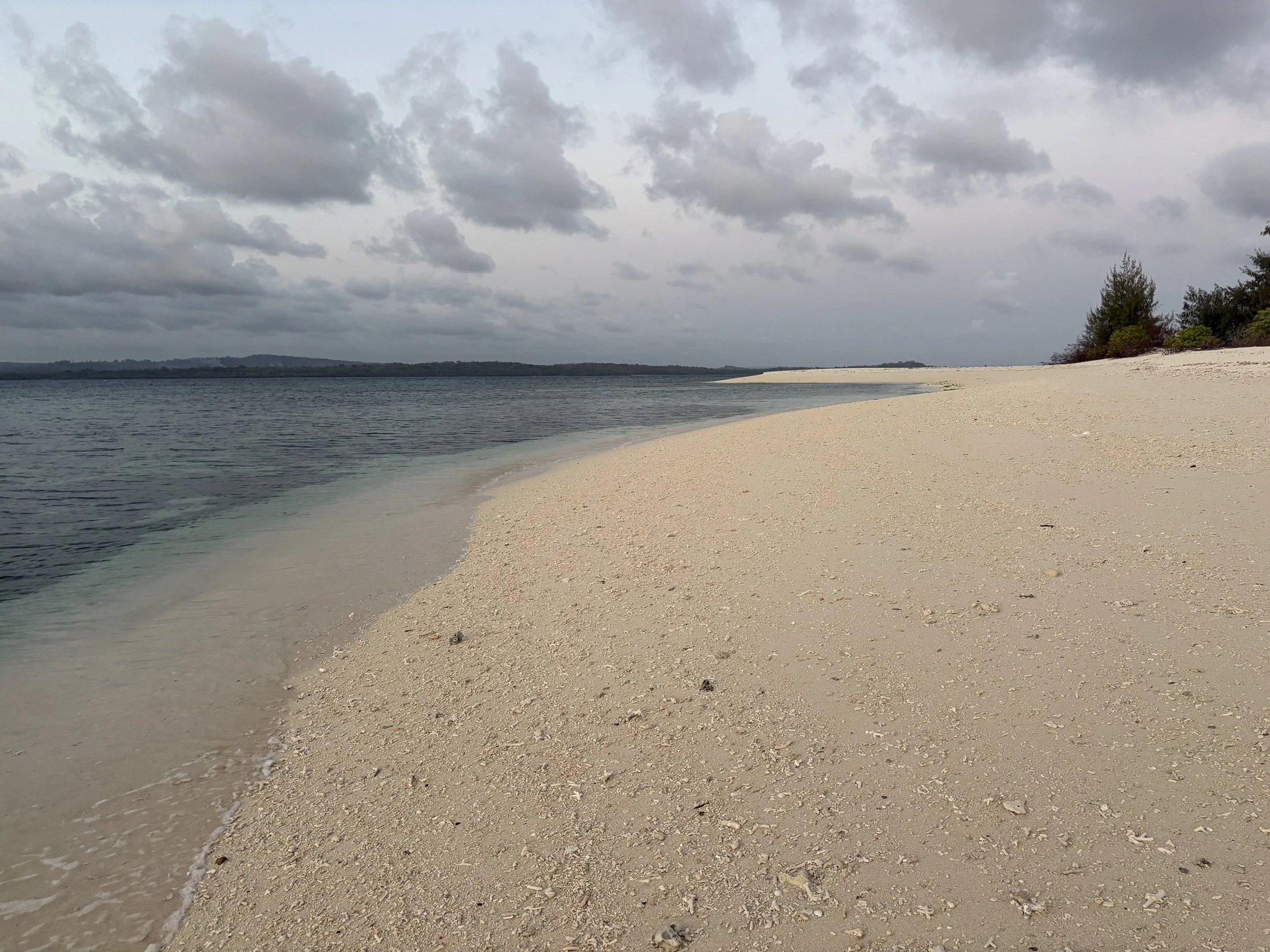
Now back to our regularly scheduled programming. Today we birded two tiny islands. They were both coral meaning lots of crunchiness and incredible white sand beaches. We were in search of two birds. One, the black-naped terns, (pictured), we saw nearly immediately. What a stunning tern. Pure white with just a little black by its eye and black legs and beak. And the light was absolutely wonderful this morning. We also saw hundreds of pied imperial-pigeons, (pictured), that used the island as a roost.
The other bird we were looking for, the Tanimbar megapode, we basically dipped on. Some people heard it but I didn’t. Dipping is a part of birding but it still disappointing.
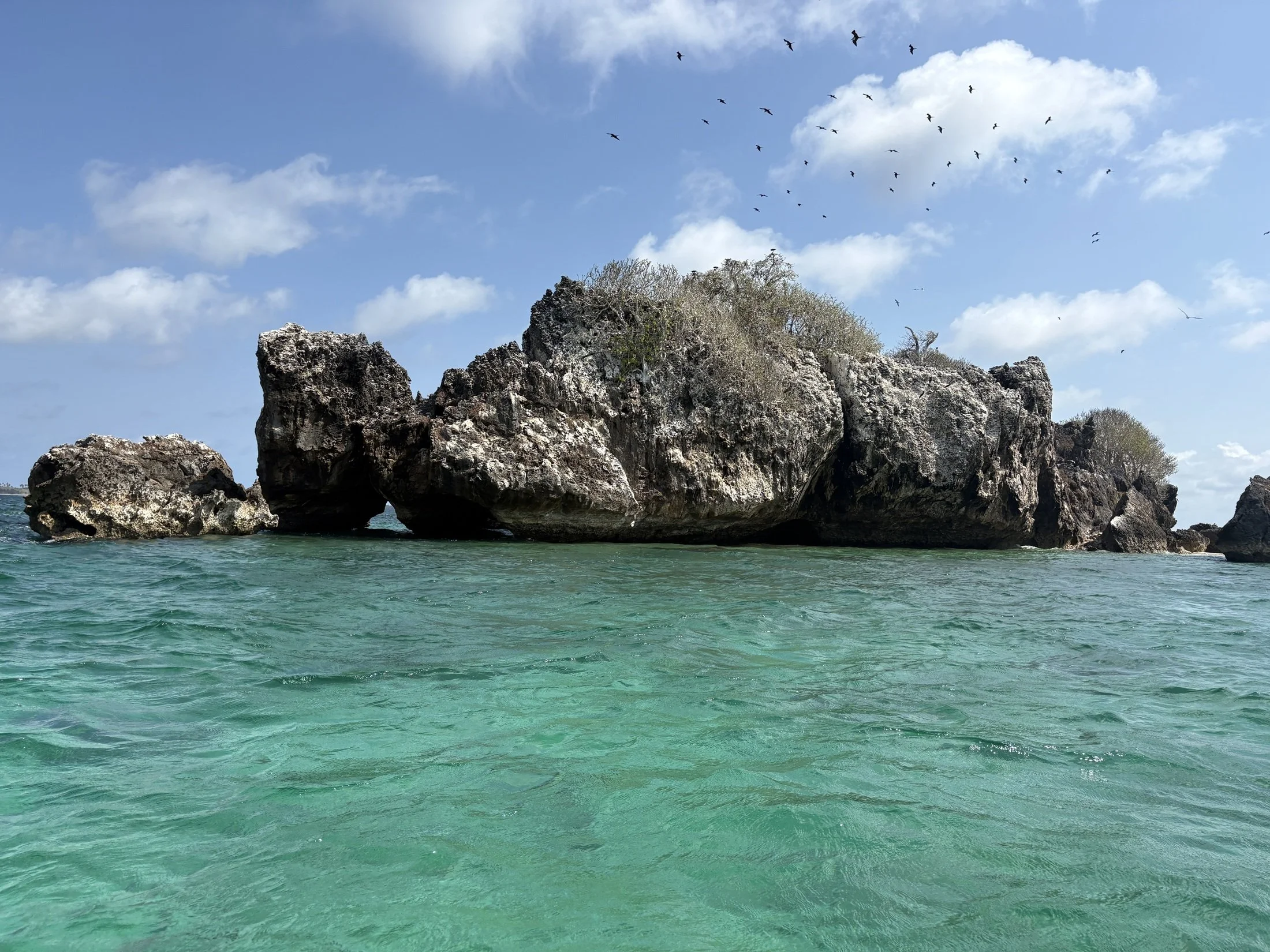
After lunch we went to another beautiful coral island. The beach, as seen from the ship, was blazingly white. There was a rock on the way to the island that was the roost for hundreds of birds including frigatebirds, terns, boobies and herons. We rode the tenders around the rock and the birds were flying.
We spent the afternoon on the island and the best we could do was get three clear calls from the megapode. We got back to the ship after sunset and a megapode started calling from near the beach. The irony of it all.
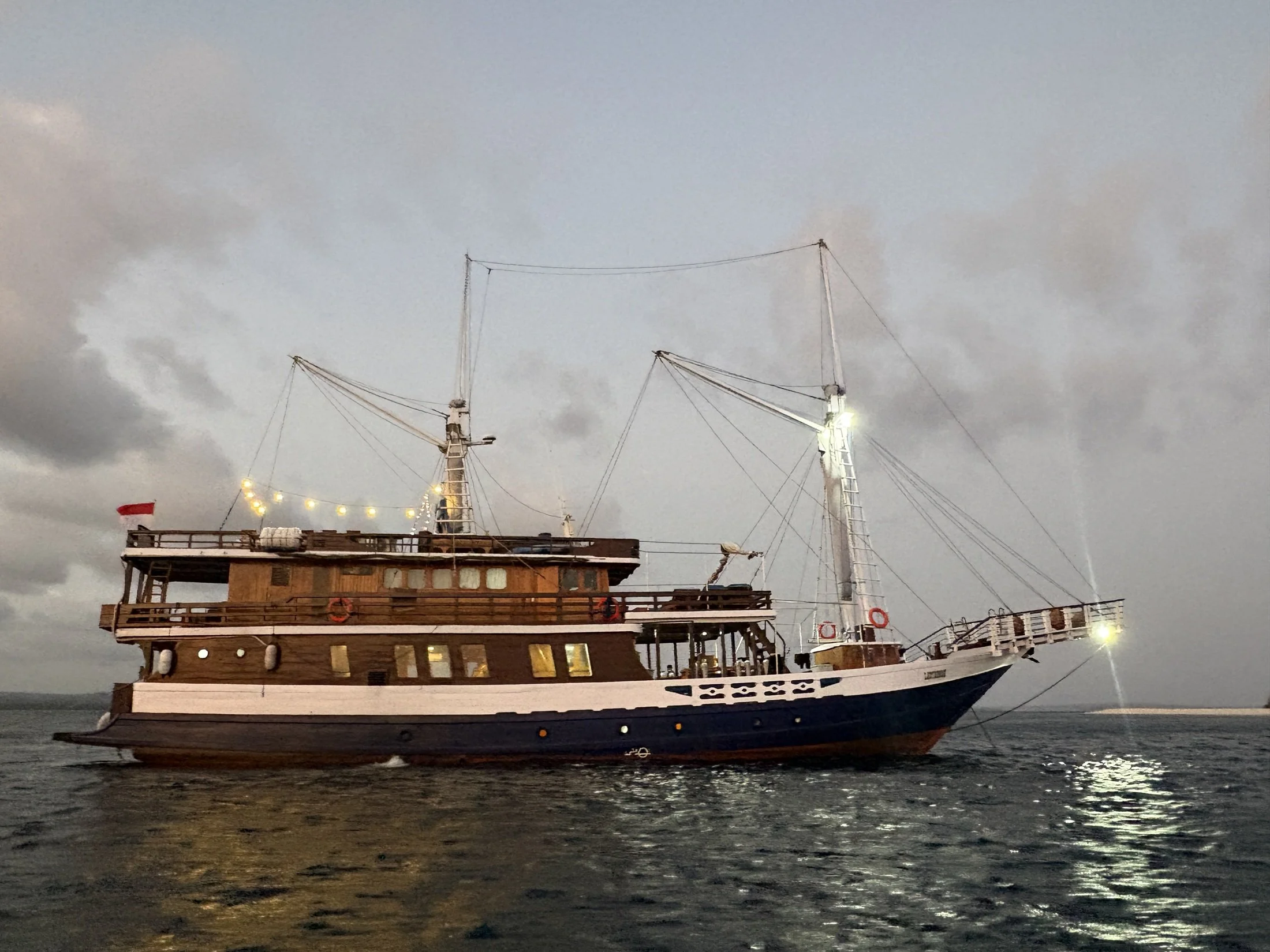
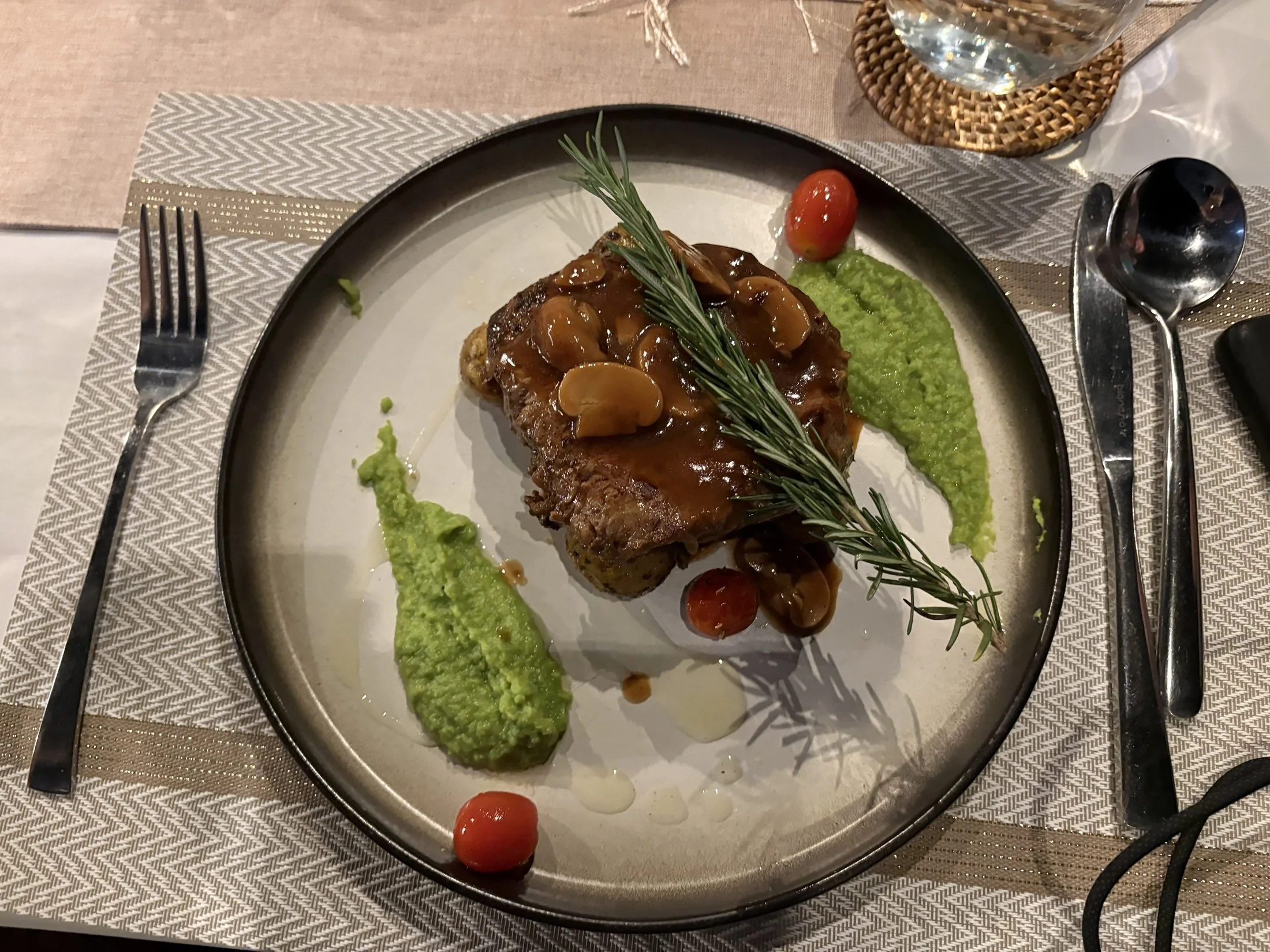
This is our last night on the boat. The crew set up a special dinner for us on the upper deck. The main course was steak and it was very well prepared and presented. One of the sides was mushy peas. Reminded me of London. A wonderful end to this part of the tour. The crew of the boat has been wonderful.
33 species, 2 lifers
Ashore
September 25, 2026
A long day today so this may be a short report. First thing this morning we made one more stab at seeing the Tanimbar megapode. It came very close to us, but we never did see it. I did get a good recording of it and I posted it on Merlin. It’s only the third posting on Merlin ever. Merlin sent me an email today saying three of my recordings were used in their training. Probably what not to do on recordings but I will continue to contribute recordings. BTW, I use an app called Dolby On to do my recordings. It’s awesome and my recordings are as good as can be expected without special equipment.
On with the show. We had a parting ceremony with the staff of the boat. They were absolutely spectacular throughout the two weeks we were on board. We sailed very briefly to Saumlaki. We had time to relax before and after lunch. Our hotel is literally at the dock we landed on. It seems spacious after the cramped quarters of the boat.
We did our afternoon birding at the Airport Lake. Yes, that’s what it’s called because it is right next to the airport. Tanimbar eclectus flew by in the distance. Blue-streaked lory flew by several times and we got great views of these gorgeous red birds.
A Chinese sparrowhawk flew over the lake. What a surprise and what a treat. It was even a lifer for Vinno.
We got great views of pink-breasted flowerpeckers. They’ve been split from our old friend the mistletoebird. Tanimbar starling, white-browed triller, Tanimbar friarbird and Tanimbar cuckoo-dove, (pictured), all gave us good views. But the bird of this portion of the day was Wallace’s fruit-dove, (pictured). We’d heard lots of them the other day and had some flyovers but this time we saw several, one particularly that was in the late afternoon sun and was absolutely breathtaking.
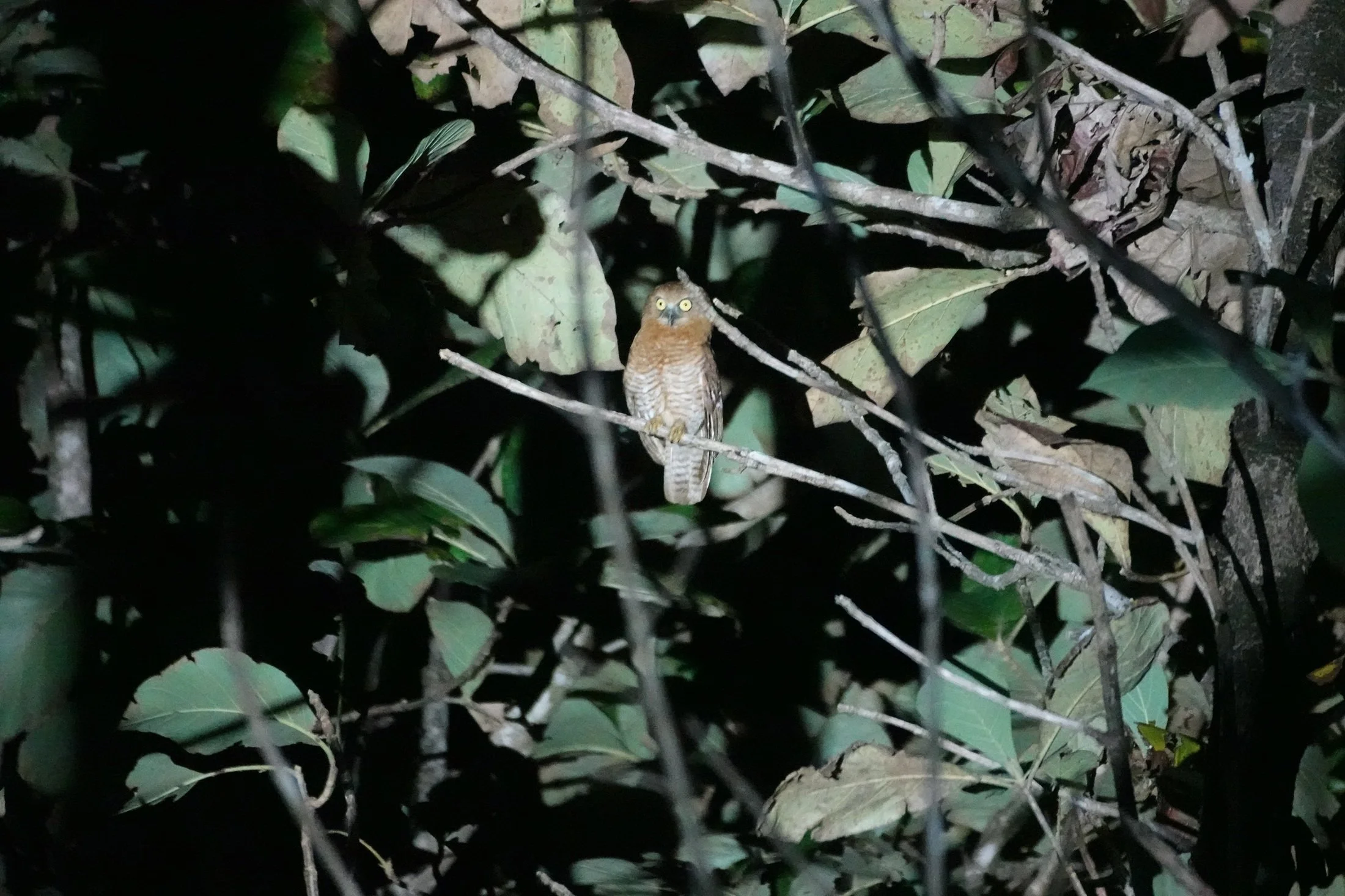
From the lake we went to a spot to look for Tanimbar boobook, (pictured). Before we started calling for it we got great views of two Tanimbar corella. Earlier we’d seen one flyover us. A bit after sunset in the waning twilight Forrest started calling the boobook. It took a bit of time but it finally flew into a nearby tree and we all got great views of this gorgeous bird. Rufous in color with intensely staring eyes.
What a very good day of birding. The boat was fun but I’m glad we’re ashore. The birding was good today but the pull of home is starting to happen for me. Now just a bit over a week away.
53 species, 10 lifers
Near Sighted
September 26, 2026
This morning I put a contact lense in my right eye like I do every day. But my vision felt funny. I changed contacts and it still felt funny. But I went birding in spite of the feeling.
BTW, I use only one contact lense because my left eye had a cataract. When it was removed the lense they put in was for short vision. So I don’t need a contact in that eye. Just one for distance in the right eye.
So the morning birding was quite unusual for me because both eyes were near sighted. I focused much more on bird movements. All in I still all the birds, well, except a thrush I keep dipping on. We still have two days here so hopefully there will be more opportunities. But let’s run down the birds I did see. It’s an impressive list.
Pied bronze-cuckoo, Moluccan whistler, Tanimbar oriole, (what a big bird), golden-bellied flyrobin, (gorgeous yellow), and the diminutive Tanimbar flycatcher were all seen. What amazed me was how many of them are black and white primarily. Those colors blend very well with the dappled leaves when they are hit with sunshine.
My favorite bird from the morning session was the long-tailed fantail. And I got a decent picture of the bird as well.
When I got back to the room after the morning birding session I looked and sure enough, somehow I had a box of -.50 contact lenses. Fortunately I had one more box of -4.75 contact lenses in my suitcase. How I got a box of -.50 contact lenses I don’t know. I’ll talk to Boots about it in December when I’m in London.
In the late afternoon we had a second birding session. We found a very cooperative Tanimbar bush warbler and we all got great views.
We went to a river that was basically just a group of water holes because of the El Nino drought. We didn’t actually observe the water holes. We might yet do that on this trip. Reminded me so much of muddle birding in NT, Australia.
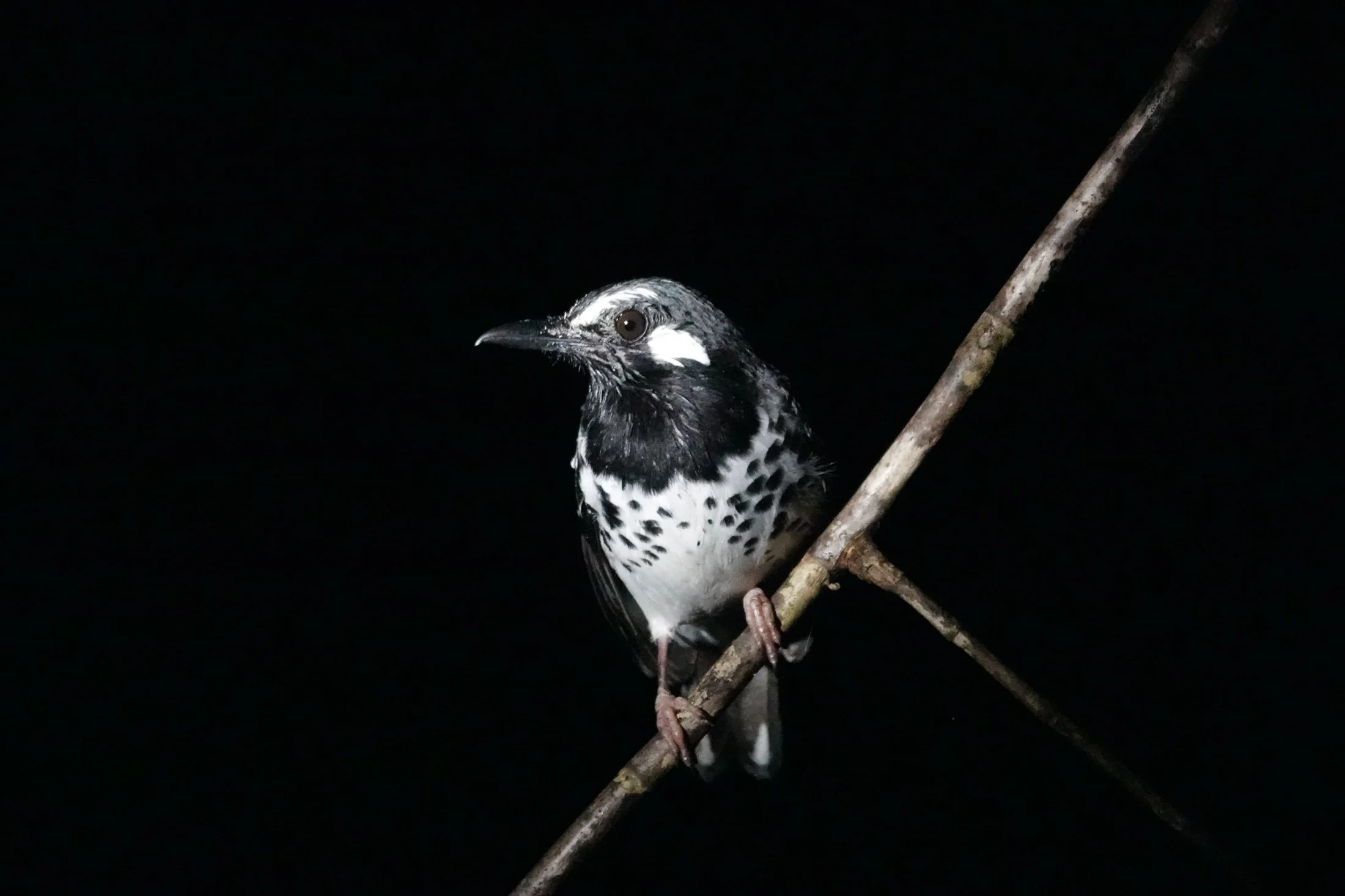
We then went owling and dipped on the masked owl we were looking for. But on the walk out we came across a sleeping slay-backed thrush, (pictured). It was perched on a branch close to the trail and we got stunning pictures. This after we’d struggled during the day to get so-so views of this species as it flitted around. What a great way to end a very long day of birding.
41 species, 9 lifers
Better Views But No Lifers Until…
September 27, 2026
This morning we birded the edge of the forest mostly from the road. It’s the time in the tour when there aren’t a lot of new birds to see. That’s a direct reflection on how good Forrest and David are as leads and birders. They are both top shelf.
That said it means something entirely different for listers. That includes me in case you haven’t been paying attention. For listers we sort of go through lifer withdrawals if we aren’t seeing lifers on a tour. That’s what it was like today. Yes we saw better views of many old friends, but we didn’t see any new birds.
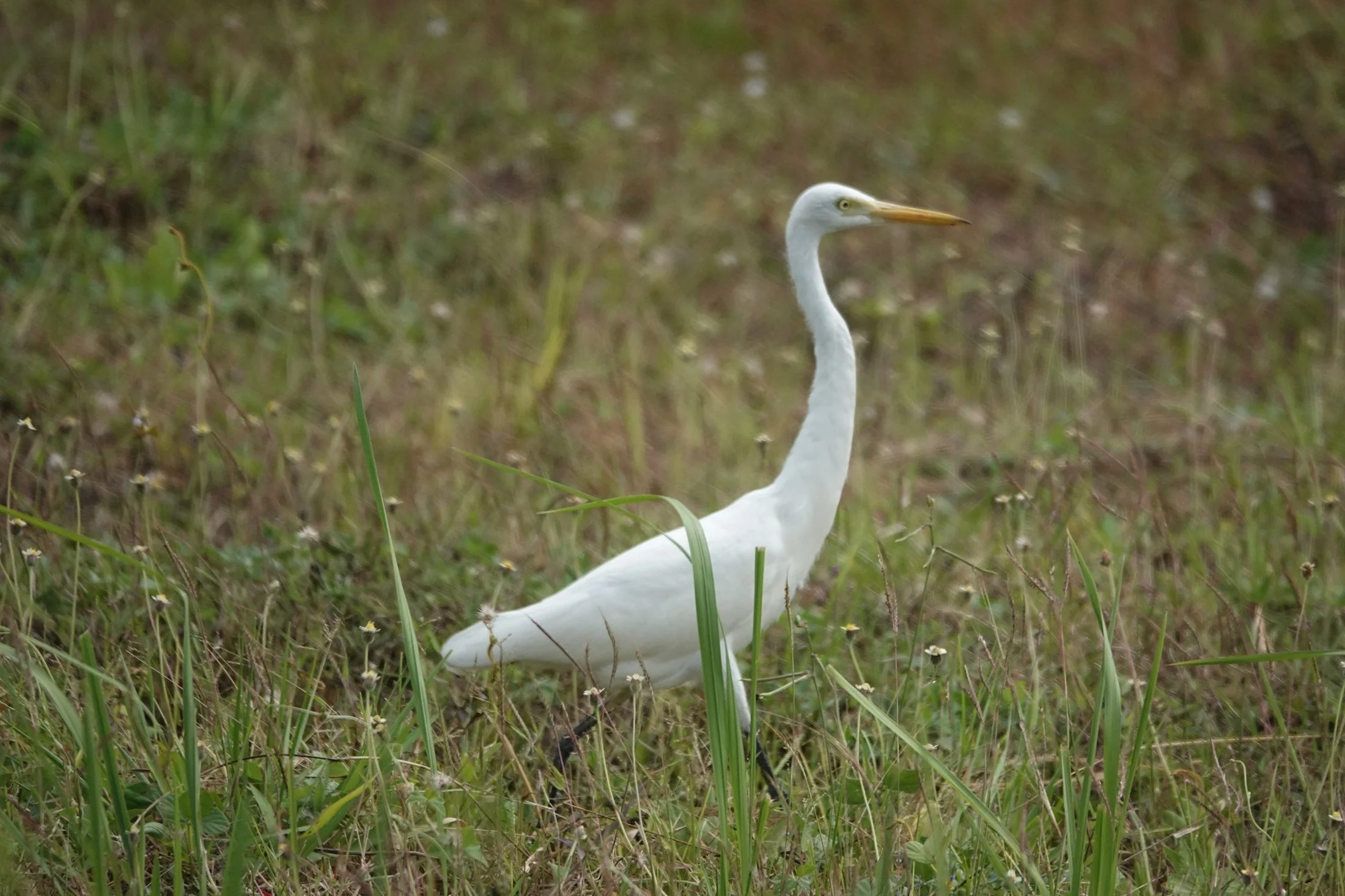
On our way to the airport we did see a medium egret, (pictured), and the picture of this old friend was so good that I have to share. We got special permission to bird the airport grounds. That was very underwhelming. We saw very few birds.
We then went to the Airport Pond. We’d birded there with great success the first afternoon on the island. This time we went to the edge of the pond and found a concrete barrier of sorts that we could easily stand on and scope a large portion of the pond. And that’s when it happened. We discovered a new bird! A spotted whistling-duck. It took a minute to see the spots on the duck but at long last, a lifer.
In the afternoon we birded again and twice I dipped on a thrush I dipped on yesterday as well. Everyone else got at least a glimpse of one. And we tried owling again and dipped on that as well.
But the most memorable moment of the afternoon was at a little pool of water. Others had seen the thrush there, so I was patiently waiting. There was a log at the back of the pond and at the bottom of the log was a gap so you could see the water on the other side of the log. As I was watching intently to try and find the thrush a beautiful yellow reflection showed up in the gap under the log. I knew immediately that it was a Banda Sea pitta. When it flew off we confirmed the same. It was so cool to see that yellow reflection. This is why we bird.
52 species, 1 lifer
Fawn-breasted Thrush
September 28, 2026
This morning first thing we birded a road. We were looking for flyover birds, all old friends. Turns out the best birds were in the grass. In a stunning development Pete found us tawny grassbirds. What a great spotter he is. Later in the day he found the Tanimbar brush cuckoo that had been elusive up to that point but suddenly became very cooperative. And even later in the day I got an unbelievable recording of the brush cuckoo.
The second bird in the grass was a brown quail. Forrest had called it in and then eventually David flushed it. We got great views of it flying away and we all laughed as we saw it explode out of the grass in front of David.
Dipping is a part of life for birders. For the nonbirder crowd it’s when you don’t see a bird that you really want to see. That was the case with the fawn-breasted thrush for me. I dipped on it twice yesterday and three times today. After awhile you begin to wonder.
After birding the road we walked a trail we’d walked before and eventually ended up at the riverbed. That’s where Pete found the brush cuckoo. Earlier Forrest had seen two fawn-breasted thrush. After we got the views of the brush cuckoo Forrest heard the thrush again. We all headed towards some ponds that were still left from the river. Again Forrest saw the thrush and again I dipped.
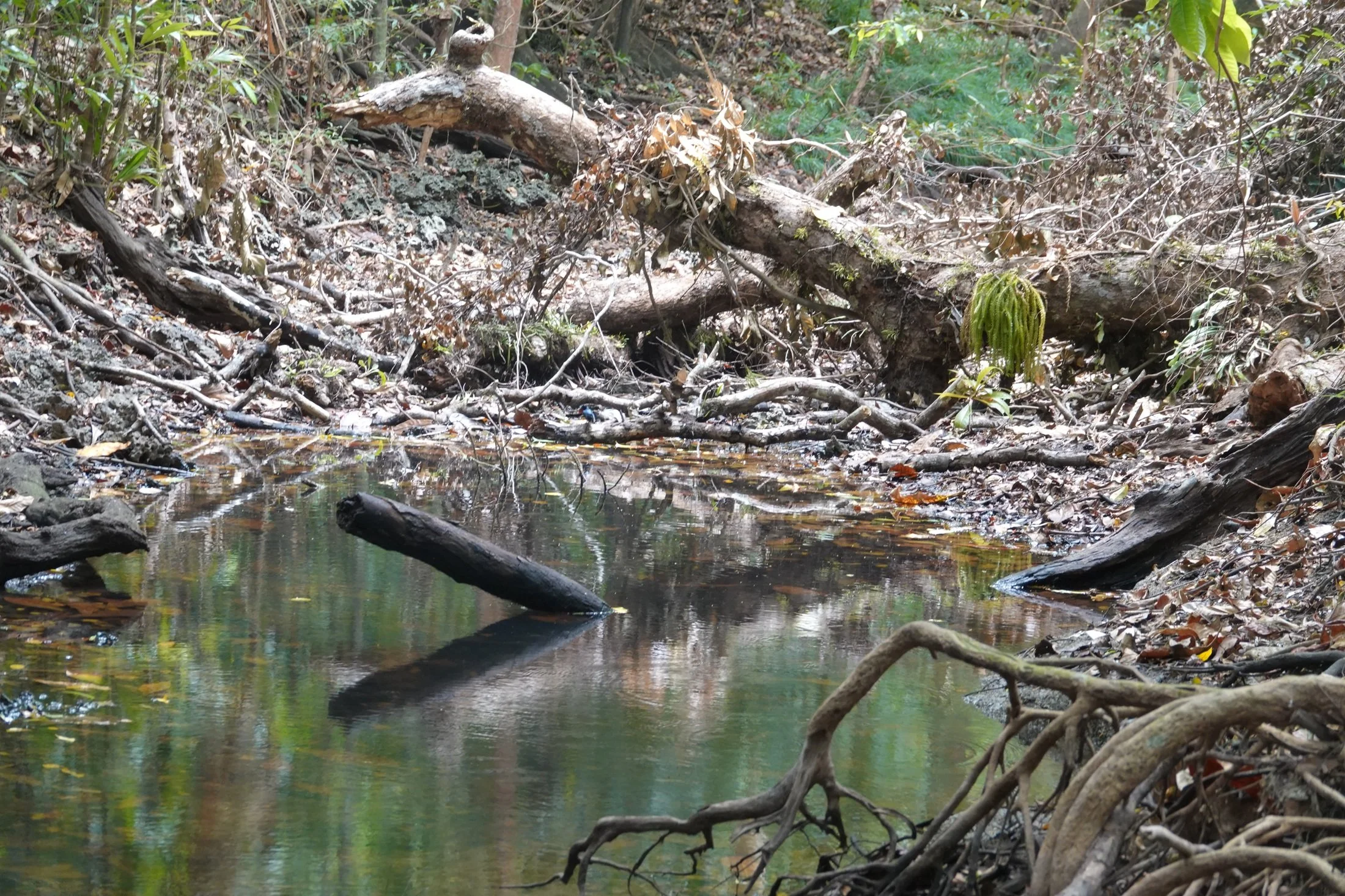
We all took up positions around a pond that seemed particularly busy. A gorgeous male shining flycatcher hung out at the pool throughout the time we were there. (If you look very carefully in the picture you can see the shining flycatcher.)
I was in a position above the pool. I kept scanning and scanning and wow, at long last, unbelievably, a fawn-breasted thrush made a guest appearance at the pool. Briefly it was on a white log. That’s the way this thrush is. Just making guest appearances. It’s form, not its color, is very similar to an American robin. No big surprise there. They are both thrushes. Yippee, the thrush monkey was off my back.
David saw another thrush at another spot. Everyone else gathered. I didn’t want to make noise so I stayed by the pond. While there I heard a very large amount of scratching in the forest. Forrest did as well. Tanimbar megapode. What a great bonus.
It was about two miles walking into the river and another hot two miles walking back to the cars. There was a birding session this afternoon but both Pete and I skipped it. We’ve seen nearly all the birds we can see in the Tanimbars. On to the Kai Islands tomorrow.
45 species, 1 lifer
Lots of Joy and El Nino
September 29, 2026
This morning we flew from Tanimbar to Ambon. On Ambon we said good-bye to some of the folks we’d been birding with as only some of we’ll be doing the Kai Island extension.
After lunch we went birding in the forest and we had great success on a very small stretch of road. We saw Ambon white-eye, with its very prominent eyering. Two Seram golden-bulbul showed well. What beautiful birds. I got a good recording of them as they teased me as I tried to record them. They’d sing, I’d start to record. They’d stop. But at long last I did get a good recording.
Oh, and I don’t want to forget the South Moluccan sunbird we saw at lunch. We also saw them as we birded in the forest. Ashy flowerpecker, with its prominent red breast patch, was striking and showed well too.
But the bird of the day, found by Pete of course, was a claret-breasted fruit-dove. Wow, what a surprise and a beautiful bird.
In the very late afternoon, we took a speedboat to another island. We were looking primarily for Moluccan megapode and dusky megapode. We dipped on both birds. My theory is that our search efforts for these birds was victimized by El Nino. El Nino has been a source of frustration and birding difficulty throughout this trip in the southern tropics. Birds can’t find adequate food and water because of it and are not nearly as active.
I will close for now. Dipping is part of birding but it still sucks. It’s super late. One bit of non-birding news. London Station, the latest book by David McCloskey, came out today. In my opinion he’s one of the very best espionage writers there is. I’m going to read London Station on the 27 hour set of flights home. If you’re interested in reading his books start with Damascus Station. I can hardly wait to dig into his latest.
33 species, 5 lifers
A Tale of Two Birds
September 30, 2026
This morning we flew from Ambon to Kai Kecil island. Once we got our luggage, it went one way and we went birding.
We had three targets for the day. One, the Kai Kecil white-eye showed up right away. It’s a beautiful bright yellow bird but strangely, it has no white ring around its eye.
The next special bird we saw has a story behind it. For about a week now we’ve been searching for it. Even before Forrest left us, he and David took a lot of time looking for this bird. They even dangled it as an incentive to go birding one afternoon. After the lack of success in tracking it down I took a nap that afternoon instead.
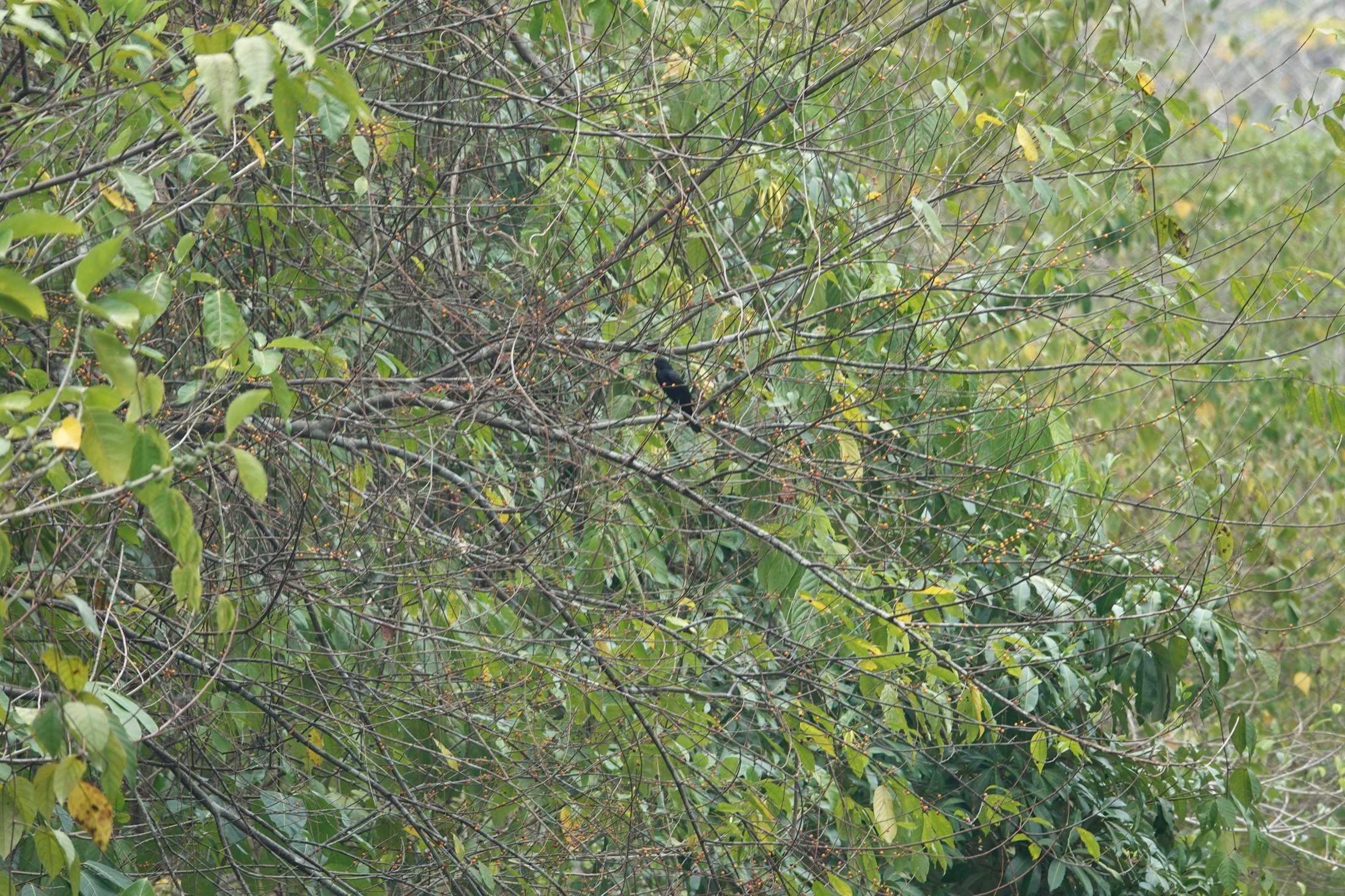
This morning David called it for an extended period of time. We were looking for other birds and David decided it was time to head to lunch. We turned around on the road and there beside the road was the bird, a Kai cicadabird, (pictured, more diagnostic than anything). We were all in shock to see this mega bird up so close. What a way to end the morning session. And in the afternoon, I found a second Kai cicadabird. It was a really big deal to see two of these special, special birds.
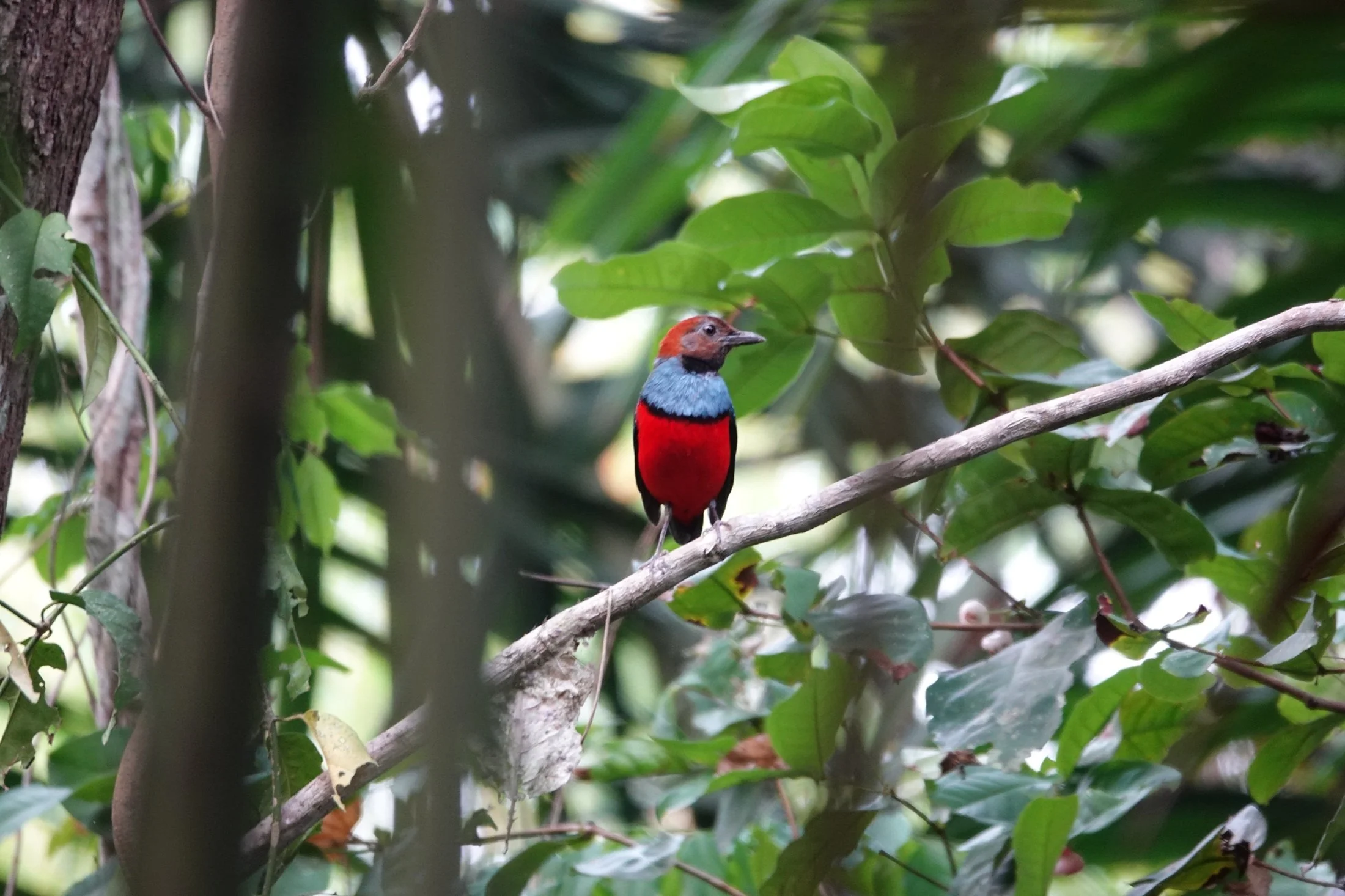
In the afternoon we had one final target and with a little effort we found two Kai monarchs. After our tea and biscuit break Venno heard a pitta calling. We made our way down a track through downed forest to a spot that looked like perfect pitta territory. David started calling and it flew in behind us. Then it flew to a branch right next to us, a Papuan pitta, (pictured). This is a bird I never expected to see. We all got fabulous pictures of it. This is why we bird.
One more note before I close. I’m thinking about getting a contact for my left eye for birding so that I can see long distance with it as well. One of the women on the top end tour got her eyes done and she’s a phenomenal spotter. David has 20/10 vision and he’s a fabulous birder spotter. Mind you, both of these folks have years of birding under their belts but I think having two long distance eyes would probably help with my ability to spot birds. I’ll talk it over with an eye doctor in October. Hmm…that’s tomorrow.
41 species, 4 lifers
Last Day of the Last Tour
October 1, 2026
White rabbit, white rabbit. This morning we took a speedboat to Kai Besar. The trip took about an hour.
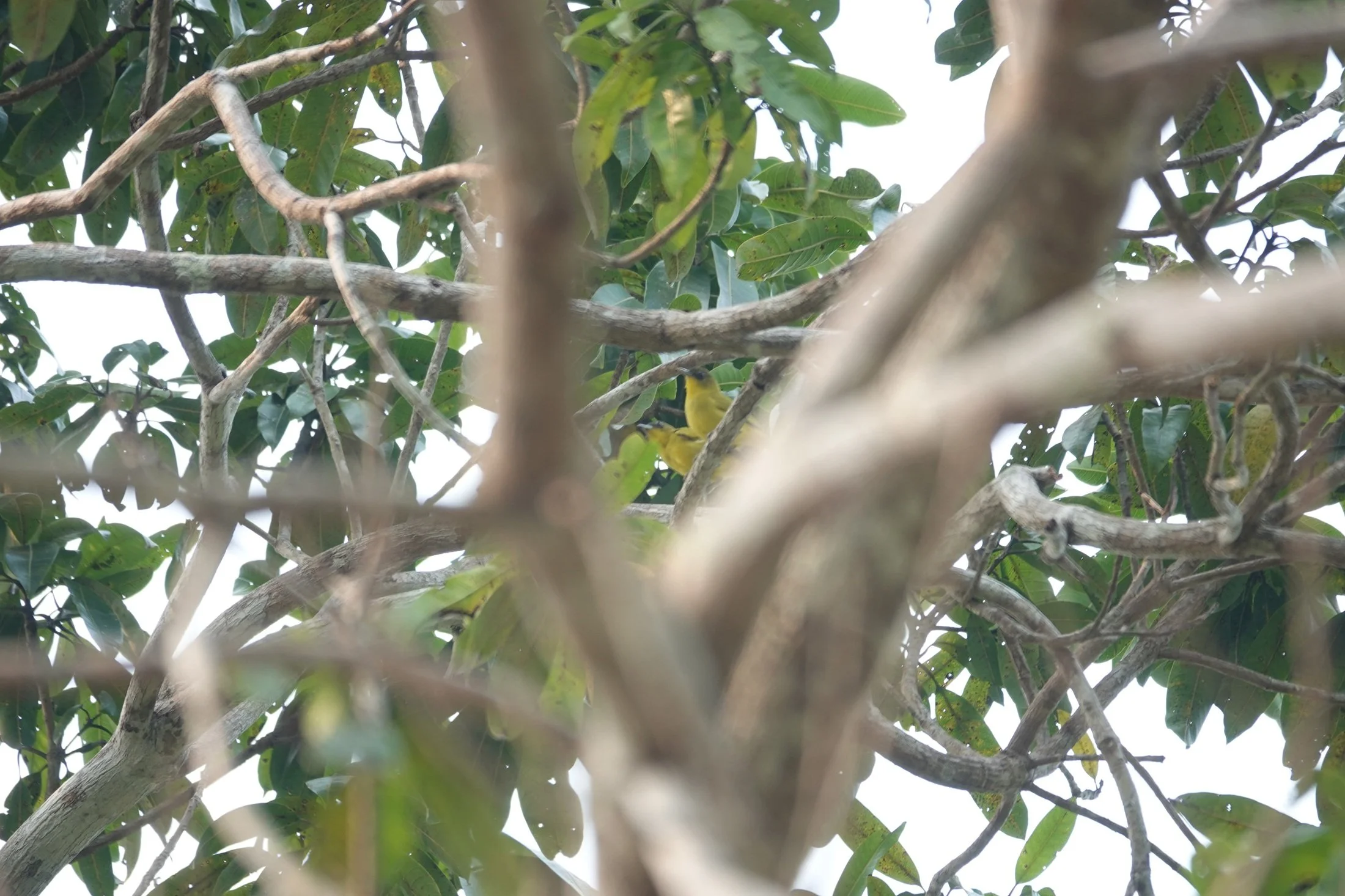
We climbed aboard a bus and climbed a very steep hill to the highlands of the island. We had one key target on Kai Besar. It took us about five minutes to find it. The Kai Besar white-eye. Unlike its cousin on Kai Kecil that has no white eye ring this bird has a very prominent white eye ring.
We birded for a couple hours after that on Kai Besar and found several old friends. On these islands it’s important to find these birds because you never can tell which birds will be split into separate species. This year’s worldwide splits and lumps will come out this month.
After lunch and an afternoon break, we birded on Kai Kecil. I got a cute picture of two Kai Kecil white-eyes together. We saw lots of other old friends.
Tomorrow, we begin our journeys home. For me it goes through Jakarta. Because of the airline screw up I have an extra day in Jakarta that I will use to bird Jakarta Bay. Really looking forward to that. I will save my reflections, if I have any, on this trip and on this summer until after I bird in Jakarta.
Jakarta Bay
October 3, 2026
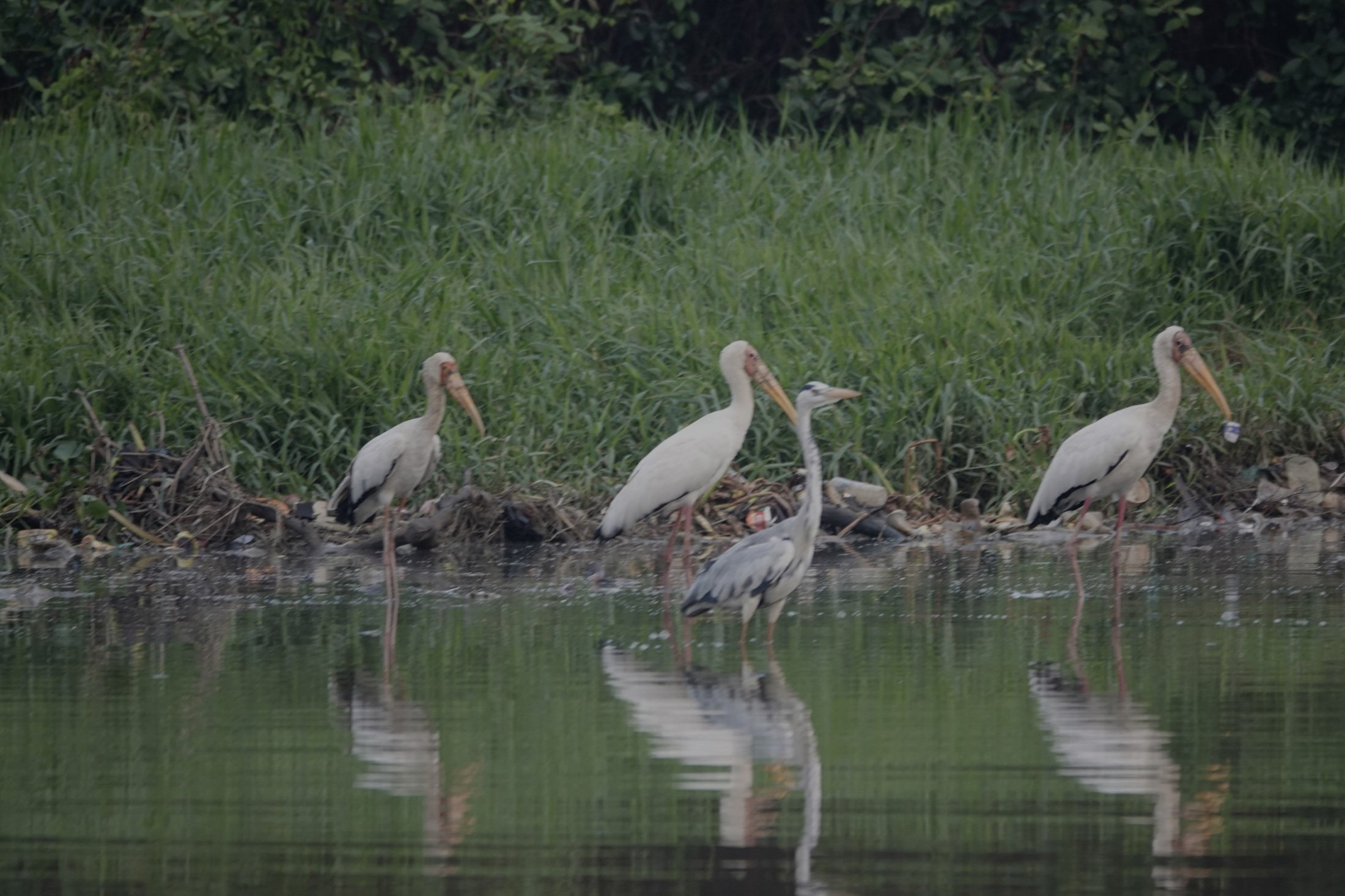
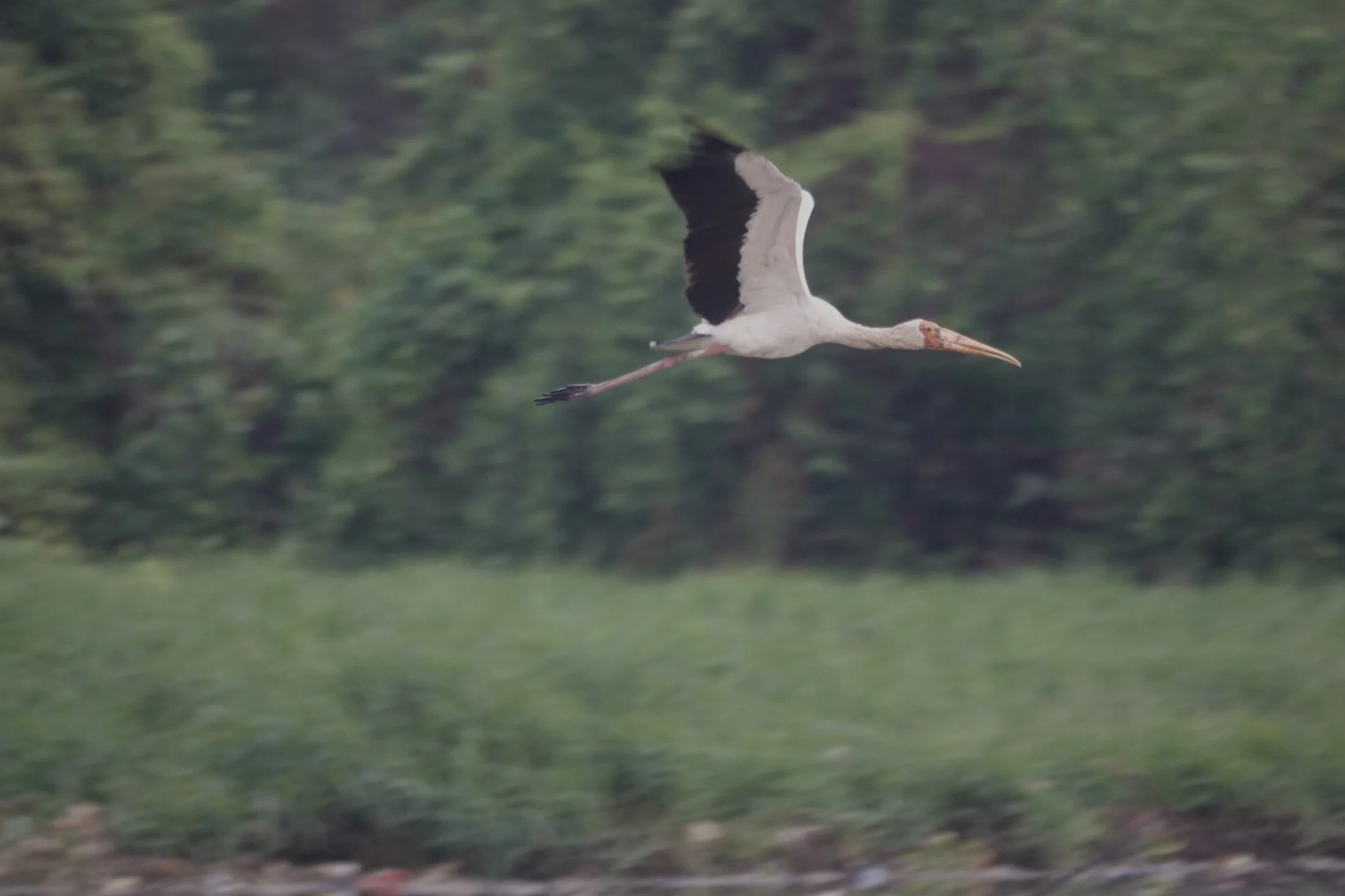
This morning I got to the meeting spot with Eci a little early. Immediately I started seeing birds. Mostly old friends but I spied milky storks, (pictured), at the end of the channel. This highly sought after bird is actually drawn to Jakarta Bay because of the enormous amount of trash there. Many of the birds we saw this morning are attracted to the bay for just that reason. Apparently some of the food that they live on lives there.
When Eci came we went out of the channel and birded the mudflats and the garbage left behind by low tide. Many old friends but also two Tibetan sand-plovers and at long last, many Sunda teal. I’d dipped on the teal at several locations this summer. Hooray!!
We then birded a channel and got glimpses of white-headed munia. We dipped a couple other birds but we got views and I got a recording of a surprising migrant, a Pallas’s grasshopper warbler.
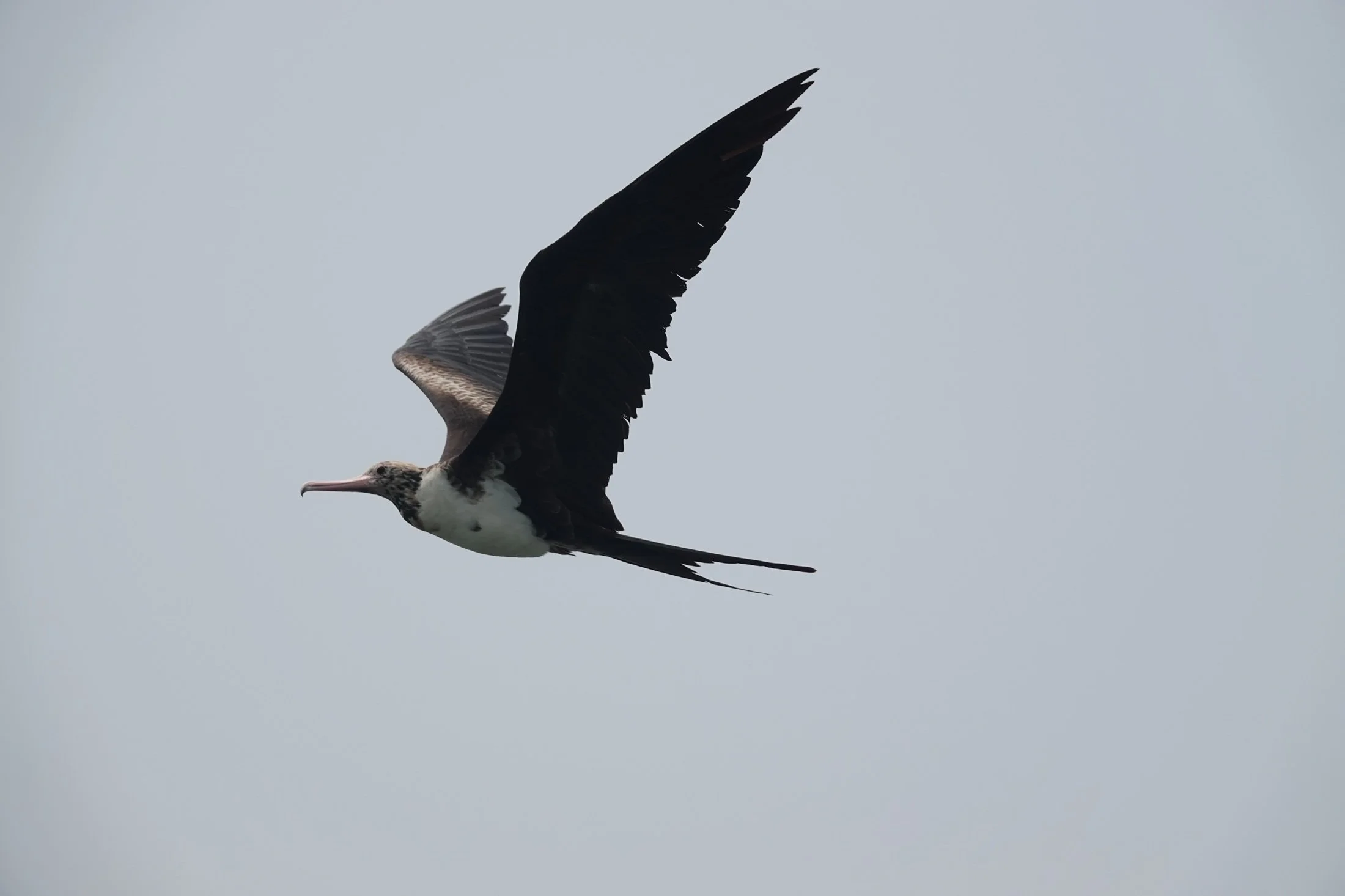
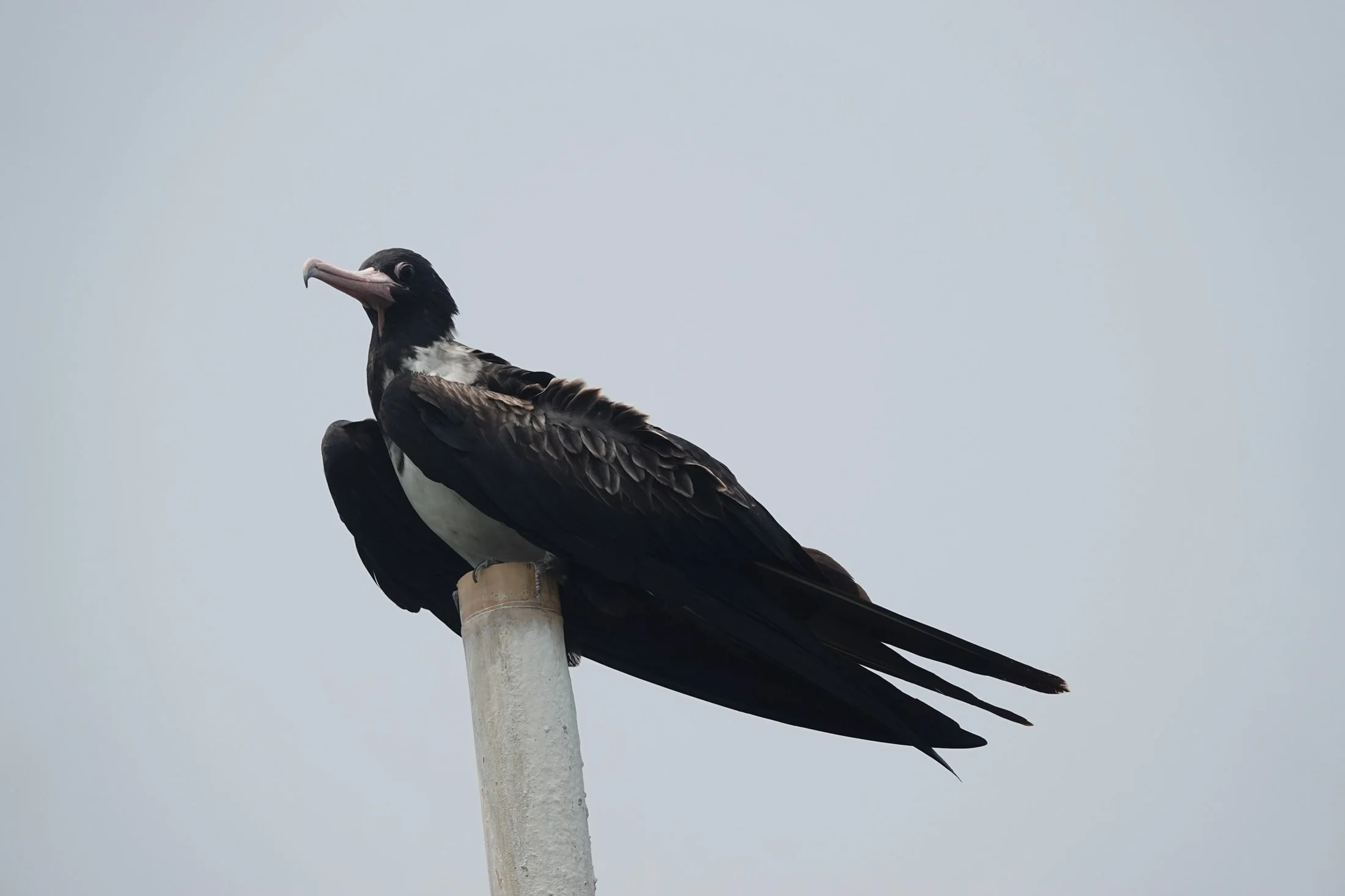
From the channel we crossed quite a bit of ocean before we came to the other star attraction of the day. On stakes that are part of a fishing rig of some sort were at least 100 Christmas Island frigatebirds, (pictured), as well as many old friends. They flew as we approached but what a thrill to see these birds. Eci pointed out something I hadn’t thought of. We’re very close to the Christmas Islands here. So seeing these birds shouldn’t be a big surprise.
We headed to lunch and had wonderful traditional Indonesian food. After lunch we went to a boardwalk. We were rewarded for standing in the baking sun with good views of not one but two Sunda coucal. What a great way to end a great day of birding.
If ever you’re in Jakarta and want to go birding contact Eci. She’s a fabulous guide and a really fun person to hang out with.
55 species, 7 lifers
Banda Sea Trip Summary
The Banda Sea trip was an unqualified success. By design it’s not meant to be a big producer of birds. But the birds we did see were great and many of them are birds very few birders will ever see. The people I birded with were lots of fun and were all outstanding birders.
Life aboard the ship was so fun. The staff of the ship were exceptional and catered to our every need. Pete was a great roommate. He’s a chill guy, a great and very experienced birder and just a fun person to hang out with.
Okay, on to the numbers. I’m including Jakarta Bay in the Banda Sea numbers because it was my make up birding trip for the day in the Kai Islands missed because of the airline cancellation. I’m happy it was the substitute because the birding was fabulous. For the trip I expected 114 lifers and I got 117.
Trip Summary
281 species, 117 lifers
Headed Home
It seems like yesterday that the white crowned sparrows were serenading me as I walked from my hotel in Seattle to SEATAC to fly to Anchorage to start this four month adventure. And now here I am with the glow of milky storks and Christmas Island frigatebirds on my mind in what seems like about three minutes later. Where does the time go?
I can’t begin to put into words what an experience the past four months have been. Almost every night I wrote an entry for my website. Glad I did because I know memories will fade. (They already are. I don’t remember a whole lot about Nome.)
Let’s do numbers first. I got 884 lifers for the trip. That’s exactly 20 less than I expected but in the whole grand scheme of things I think it paints a different picture. My method of prepping for this tests out pretty well no matter how you slice it. My projections are primarily based on the trip reports of previous Rockjumper trips. And the projections are based on actual bird names on a masterlist of birds backing those projections up. So not meeting projections or exceeding them gives me indications as to hows and whys of each tour individually. That might include weather, extenuating circumstances or guide quality to name a few. I will continue to do my projections the way I’m doing them because it sure looks like over time they give a good indicator as to where I should be to get to 7000to70.
I have birded with many people this summer. All of them have added to the fabric of the story of the summer. It’s part of what has made this summer so enjoyable and so rich. They say that when you retire human interaction is very important. I couldn’t agree more. The human interaction of the bird trips has added so much to my life. Thank you to all of you I have birded with. I hope our paths cross again in the future.
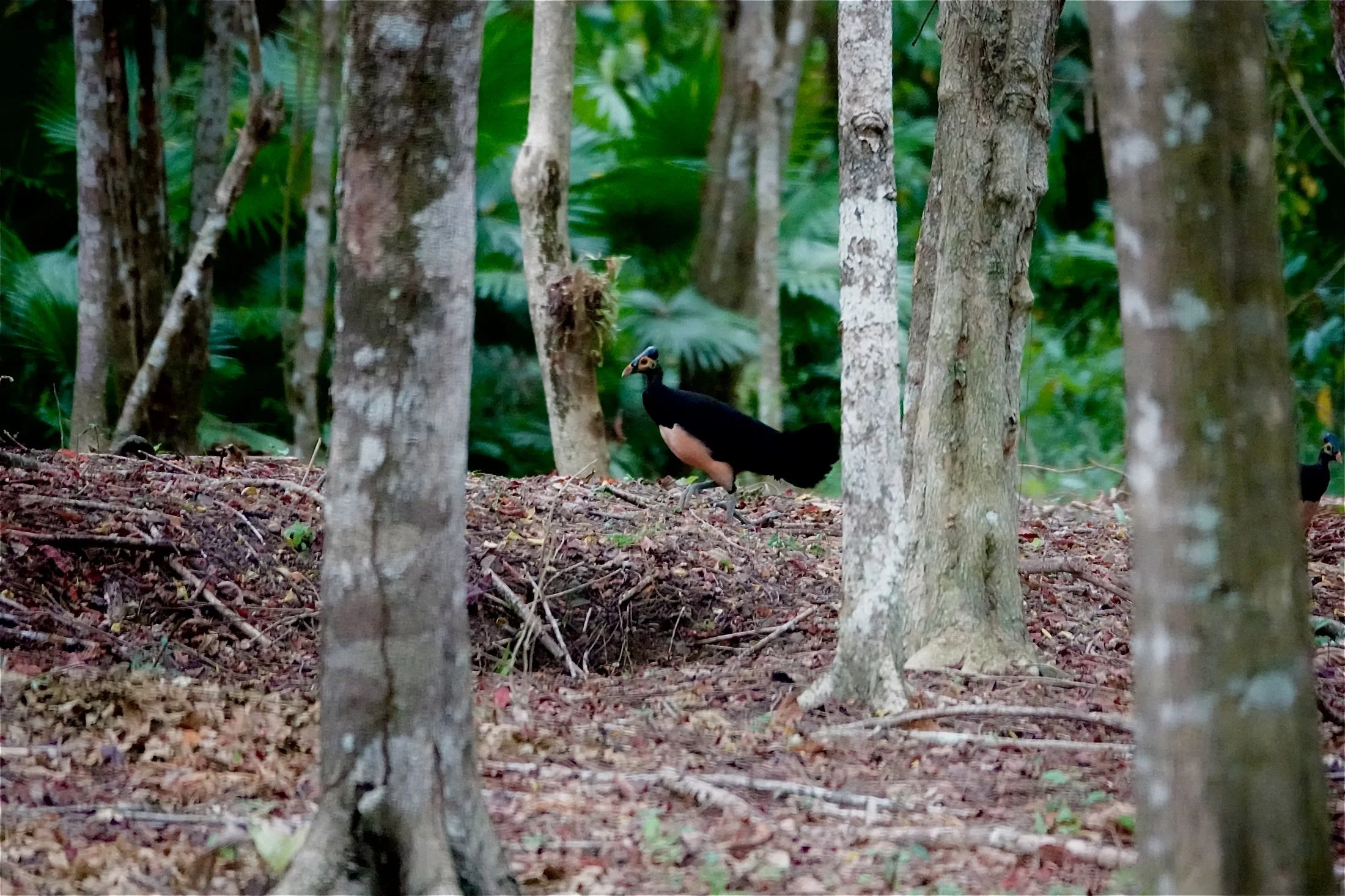
One other thing I thought about was what bird was the bird of the trip. I think I’ve come up with that one. It’s the maleo, (pictured). Seeing them, hearing them, getting to release one into the wild. What an incredible experience. This is why we bird.
And finally, El Nino is probably the one theme that underlies most of this summer’s birding. Incredibly I saw it rain just four times in 124 days. The dry conditions were hard on the birds and on the birders looking for them.
Tomorrow I head home. What a great thing that will be. And get this, I get to Boston 15 minutes before I left Tokyo. What time zone fun.
I will close for now. In four weeks I’m headed to Ghana, then South Africa. Somewhere in my writing this summer I talked about always choosing things where failure is 100% certain. The aforementioned trips are the last two of this year. Then 2027 with its fun, crazy, jam packed schedule will begin in January. If I make it to the end of 2027 then this will probably not be just a theory anymore. I will probably be able to make it to 7000 species. Where failure looked almost certain it will be replaced with a possibility. That’s if I make it to the end of 2027. Should be interesting to say the least. If nothing else, I will have experiences I will never forget trying to get there.
On to Ghana.