NORTHERN TERRITORY AUSTRALIA
AUGUST - SEPTEMBER, 2026
Prelude
When I began planning 7000to70 I thought I could just bird nonstop. If you’ve been following this website, you can tell that birding nonstop is really hard work. (And it’s definitely not sustainable.) That said while I was planning 7000to70 I came across NT Bird Specialists. They run tours throughout Northern Territory, Australia. I liked their tours and I thought they’d be a good addition to the touring in this part of the world. I’m trying to do several trips in the same part of the world every time because a familiarity with the birds of the region starts to form. I contacted Sarah at NT Bird Specialists and between the two of us we created a birding program for about the next month. Plus one more thing…Uluru.
Mud Puddle Birding
August 13, 2026
Today actually started yesterday in Port Moresby. I took the plane from there to Sidney. I then caught a flight to Darwin. I got to Darwin this morning at a few minutes after midnight.
I caught a cab to the hotel. A bush thick-knee was by the front of the hotel. I thought they’d hired him as a doorman. Turns out they are pretty common here in Darwin. I crashed for a few hours but only a few because at 6:00 AM I was meeting Luke of NT Bird Specialists to go birding.
At the appointed hour Luke pulled up. There were three women birding with us as well. Luke is an immediately likeable guy. That’s the best way that I can describe him. I will be birding with him quite a bit over the next few weeks and I know it’s going to be enjoyable and we’re going to see lots of birds because he’s also an incredible birder and guide.
Luke being the savvy birder that he is he immediately took us to a spot guaranteed to have birds…a mud puddle. That’s right, a mud puddle. He set out chairs for all of us and we sat and watched a mud puddle for about two hours. It was time well spent.
Like with any place you go where you haven’t birded before nearly every bird I saw was a lifer. The birds were drawn to this mud puddle because water is a somewhat scarce commodity for birds in NT. What a parade of birds we saw. We saw little black cormorant, Australian ibis, royal spoonbill, red-tailed black-cockatoo, white-faced heron and whistling kite all fly over.
A blue-winged kookaburra perched up very nicely for us.
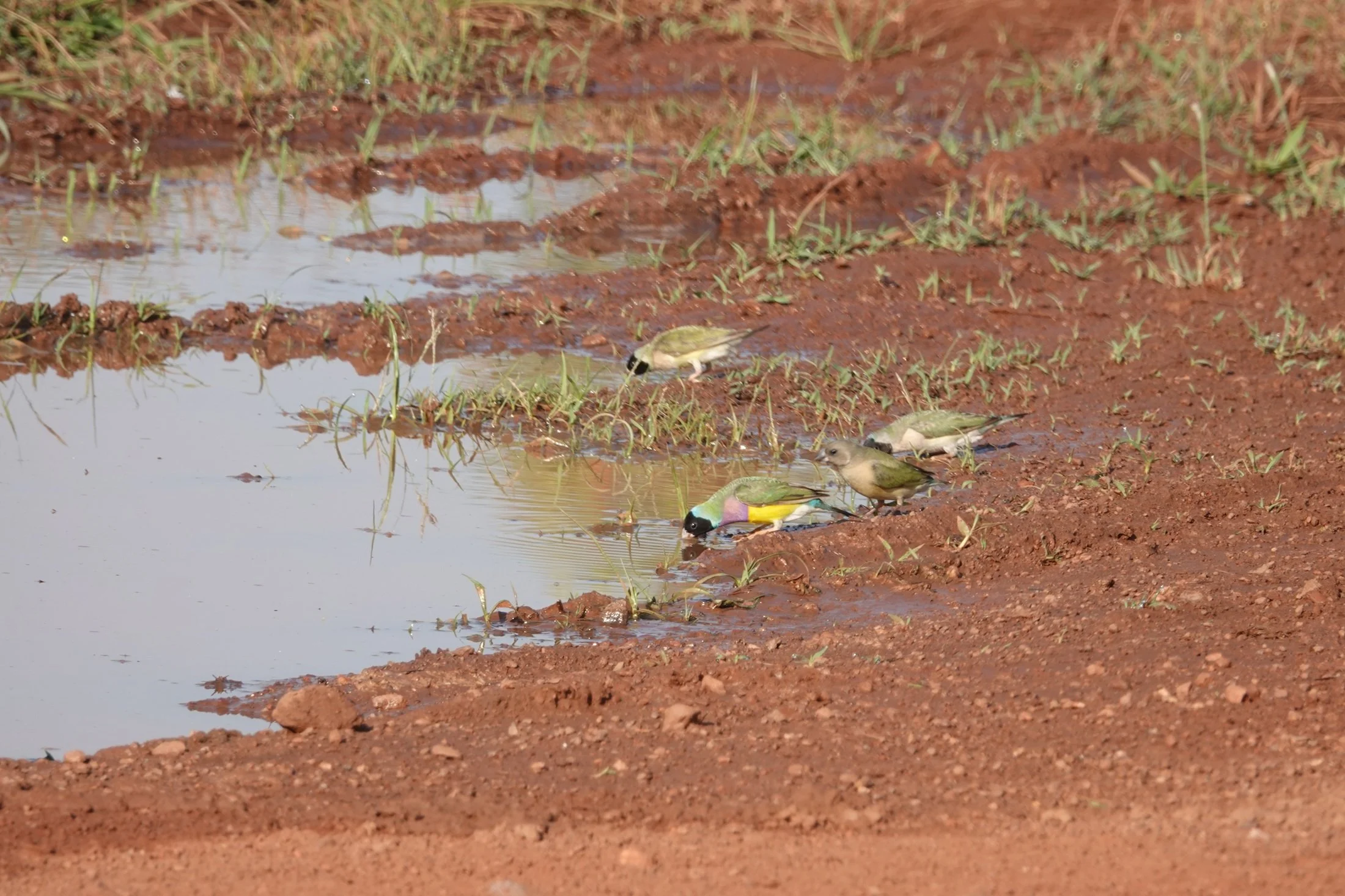
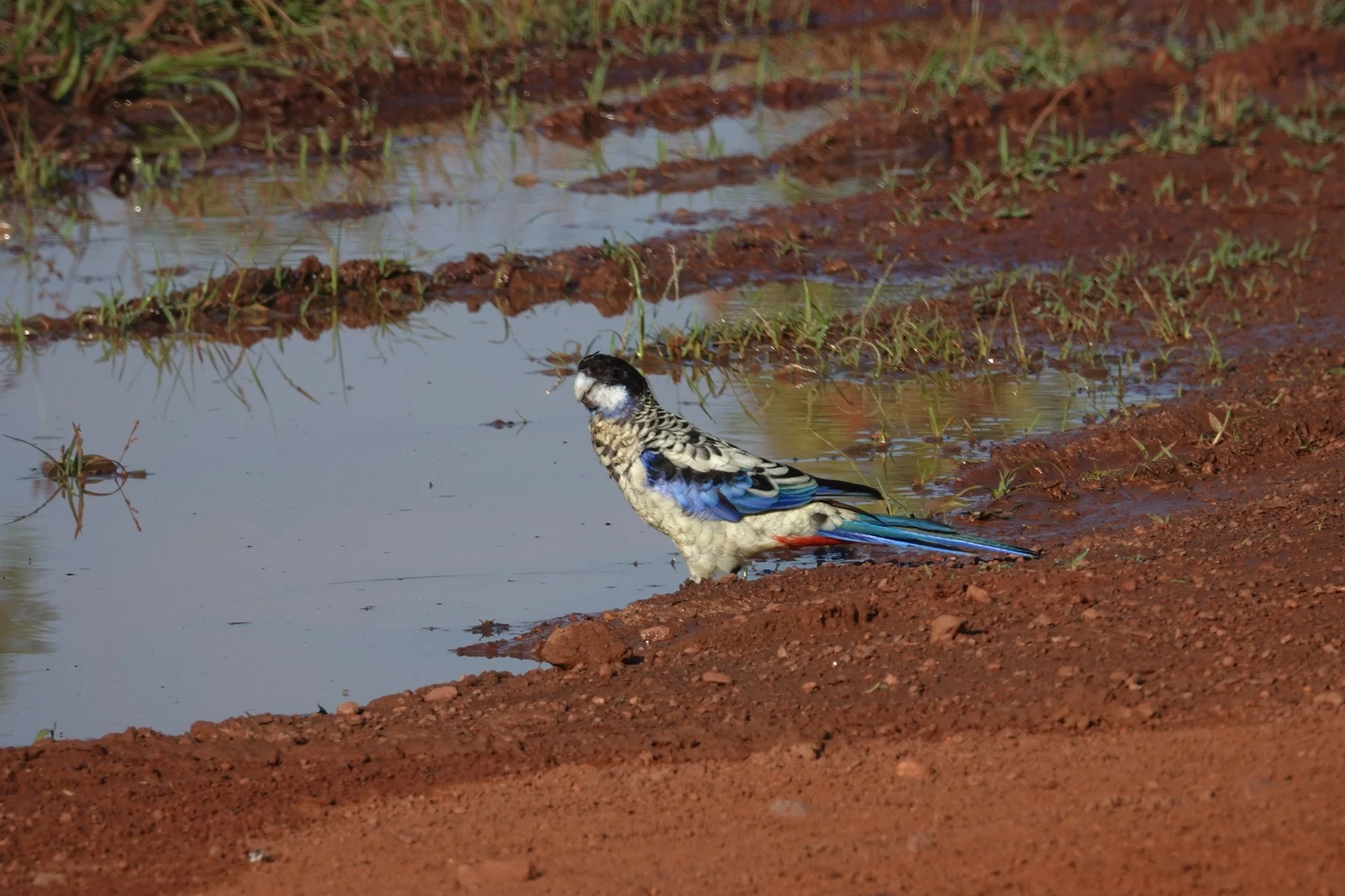
NT is noted for its finches and this puddle had more than its share. Crimson finch, double-barred finch, masked finch, chestnut-breasted munia and the impossibly beautiful Gouldian finch, (pictured), all showed up. What a treat. And speaking of treats, two northern rosella, (pictured), came to the puddle and took baths.
Lemon-bellied flyrobin, leaden flycatcher, Australasian figbird and gray whistler all made appearances as well.
The birding was so different from Indonesia or PNG in that there was a constant stream of birds and not just a few. The most prominent of the birds at the puddle was our old friend, the peaceful dove. A petite, very beautiful dove. Bar-shouldered dove, a giant compared to the peaceful dove and equally beautiful also showed up.
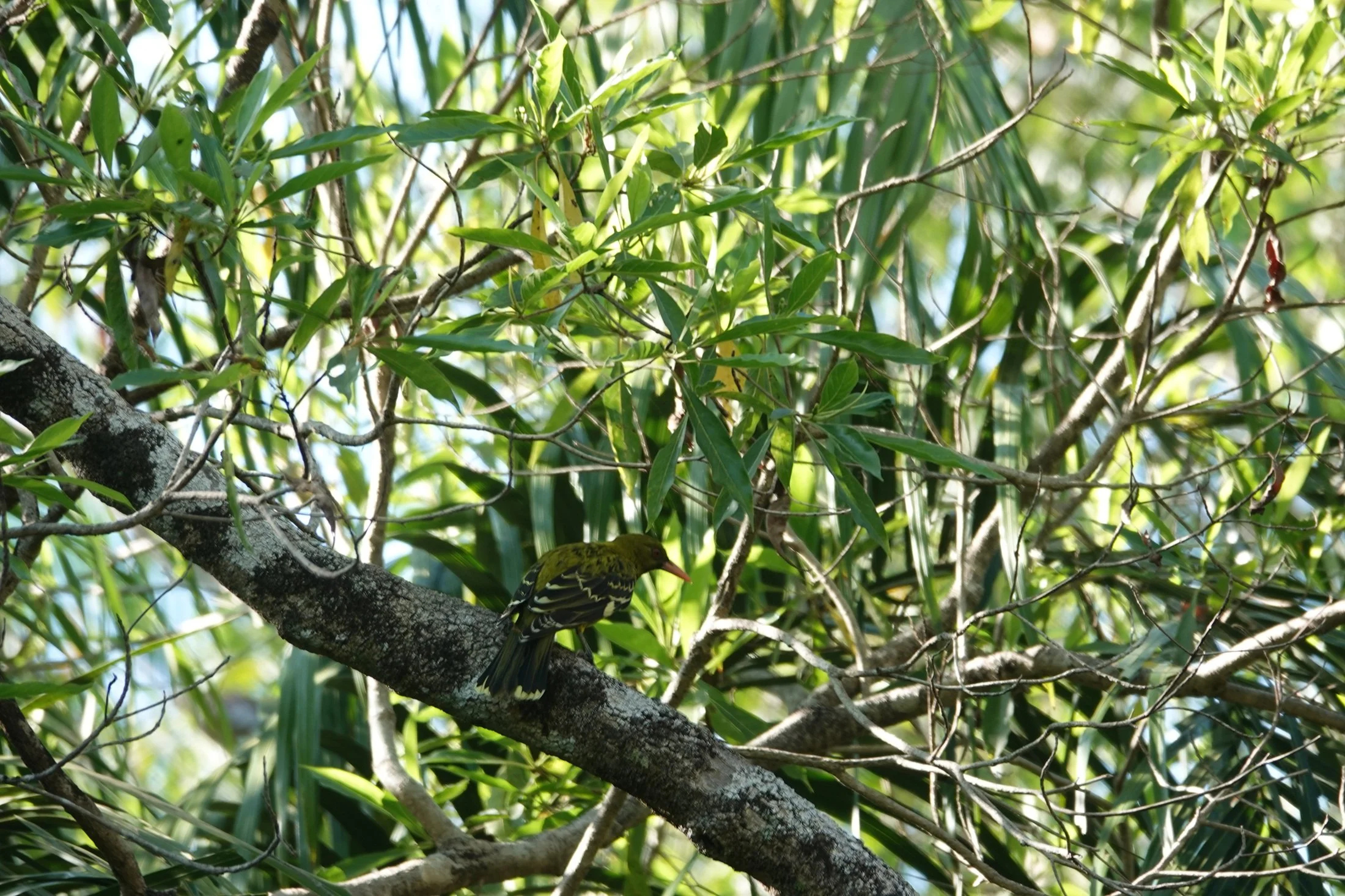
From the mud puddle we went to Berry Springs Nature Park. On the way into the park we saw a little corella. In the park we saw little bronze-cuckoo, large-billed gerygone, green oriole, (pictured), Arafura fantail, (What flighty birds fantails are.) and a rose-crowned fruit-dove among other birds.
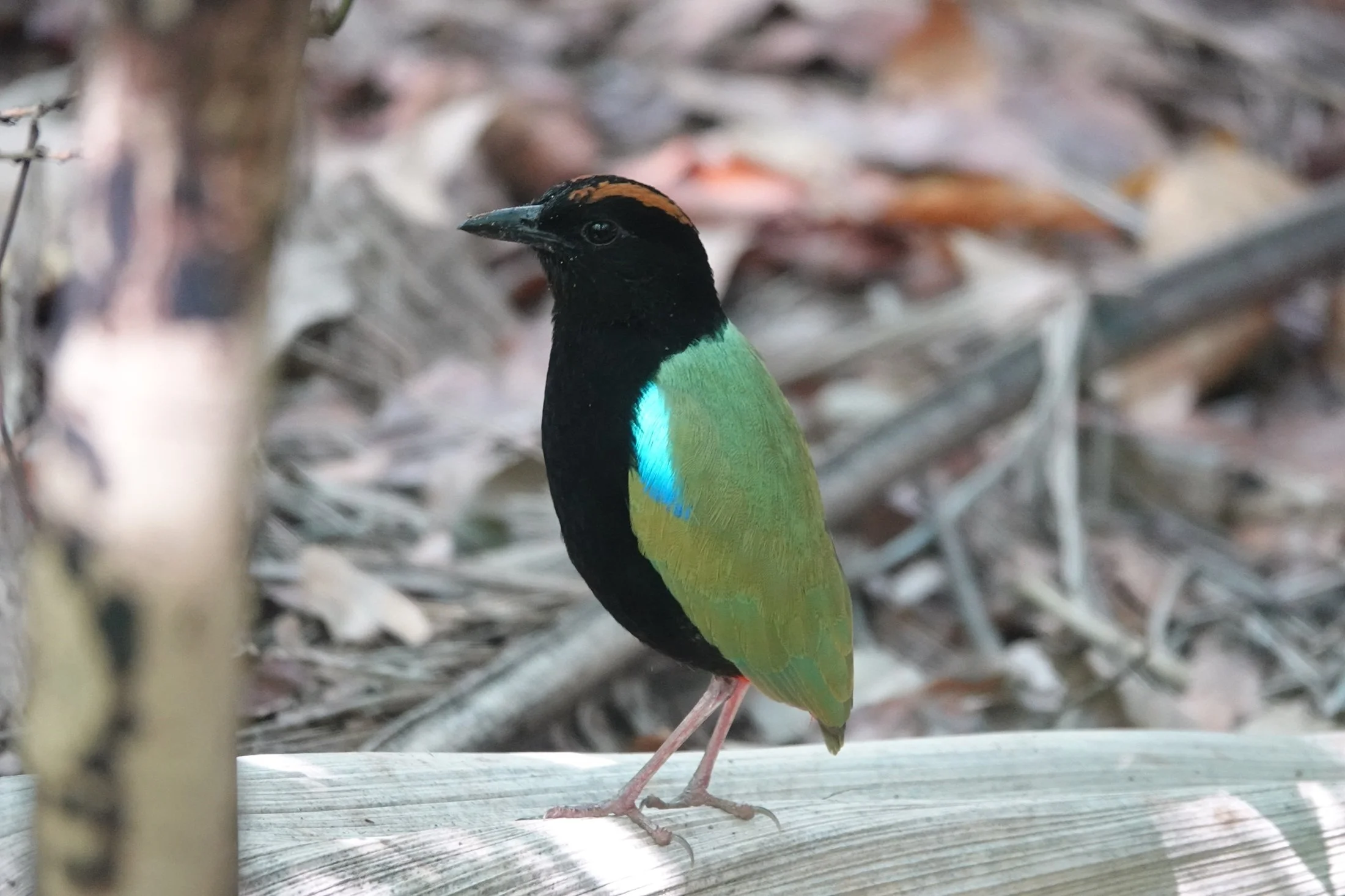
But the star of the whole trip to Berry Springs was a rainbow pitta, (pictured). We saw brief glimpses of this bird twice and then, all of a sudden it perched and was incredibly cooperative. The place it perched was perfect for taking pictures.
We made two more stops, the Elizabeth River Boat Ramp and Howard Springs Nature Park. No birds of note but the lunch Sarah made featuring quinoa salad was super yummy. I did find two rose-crowned fruit-doves building a nest.
Luke dropped me at my hotel and I went to Telstra where I got a super eSim. I won’t be running out of data in NT. And I also got a new strap for my camera.
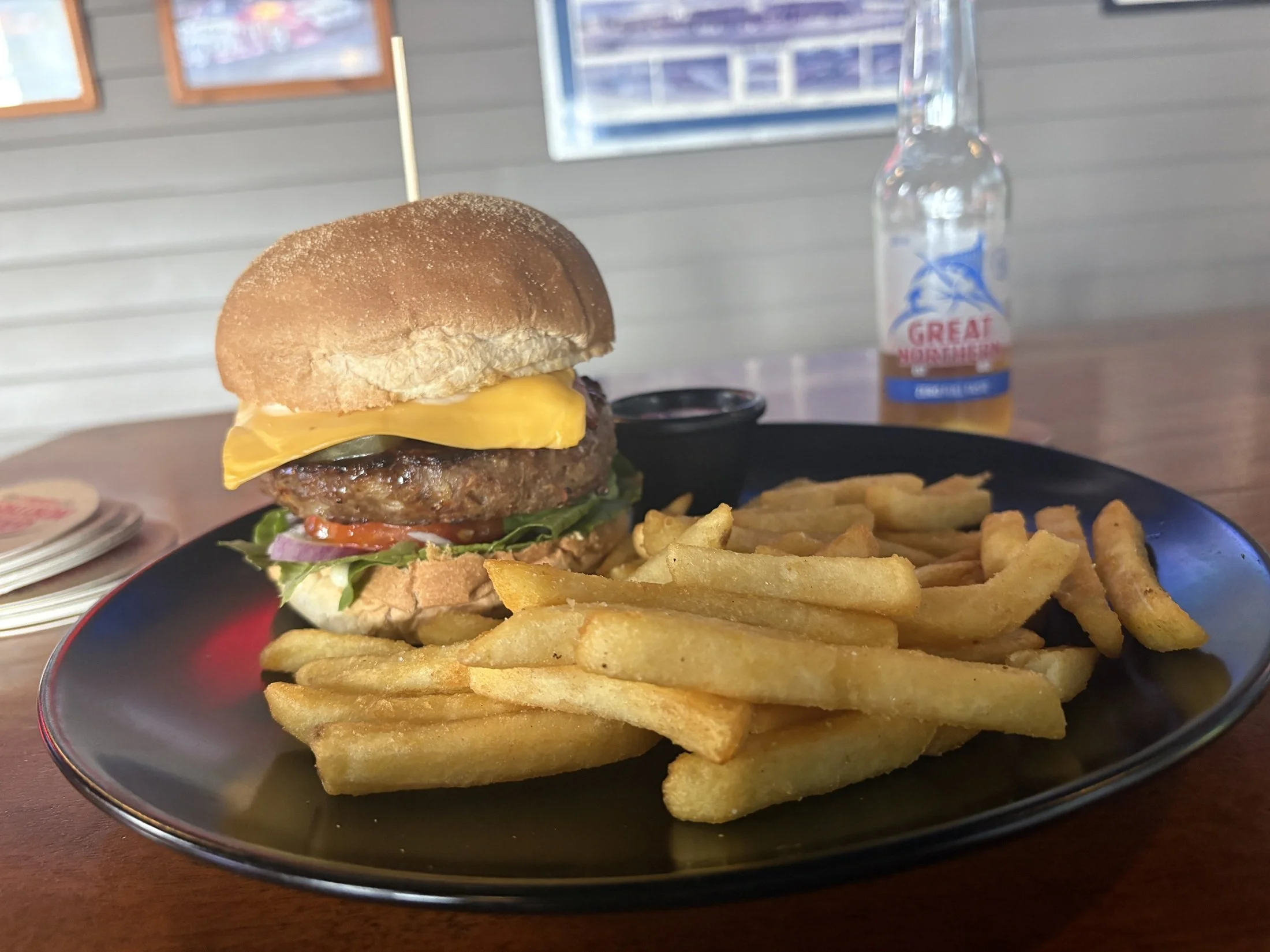
I have had a craving for a burger for the longest while. I went to the bar at the Darwin Hotel. While I watched Bangladesh vs. Australia in a test match actually being played here in Darwin I dove into a gigantic, scrumptious burger and a really good nonalcoholic beer.
Towards the end of the PNG tour Paul told me there would be crossovers from PNG and Northern Territory. Today proved just that. I got a load of lifers as the numbers below attest to. Incredibly 14 of them are birds I expected to see in New Britain or PNG.
What a fantastic day of birding.
57 species, 41 lifers
Chasing Pelicans
August 14, 2026
Luke picked me up a little later this morning because we were birding close to downtown early. Three other birders joined us. As we drove to our first destination I almost had him drive off the road. He casually mentioned Radjah shelducks was on our right. Radjah shelducks!
Our first stop was close to the shoreline. We saw many shorebirds, all old friends. We also saw Torresian imperial-pigeions and an Australian ibis.
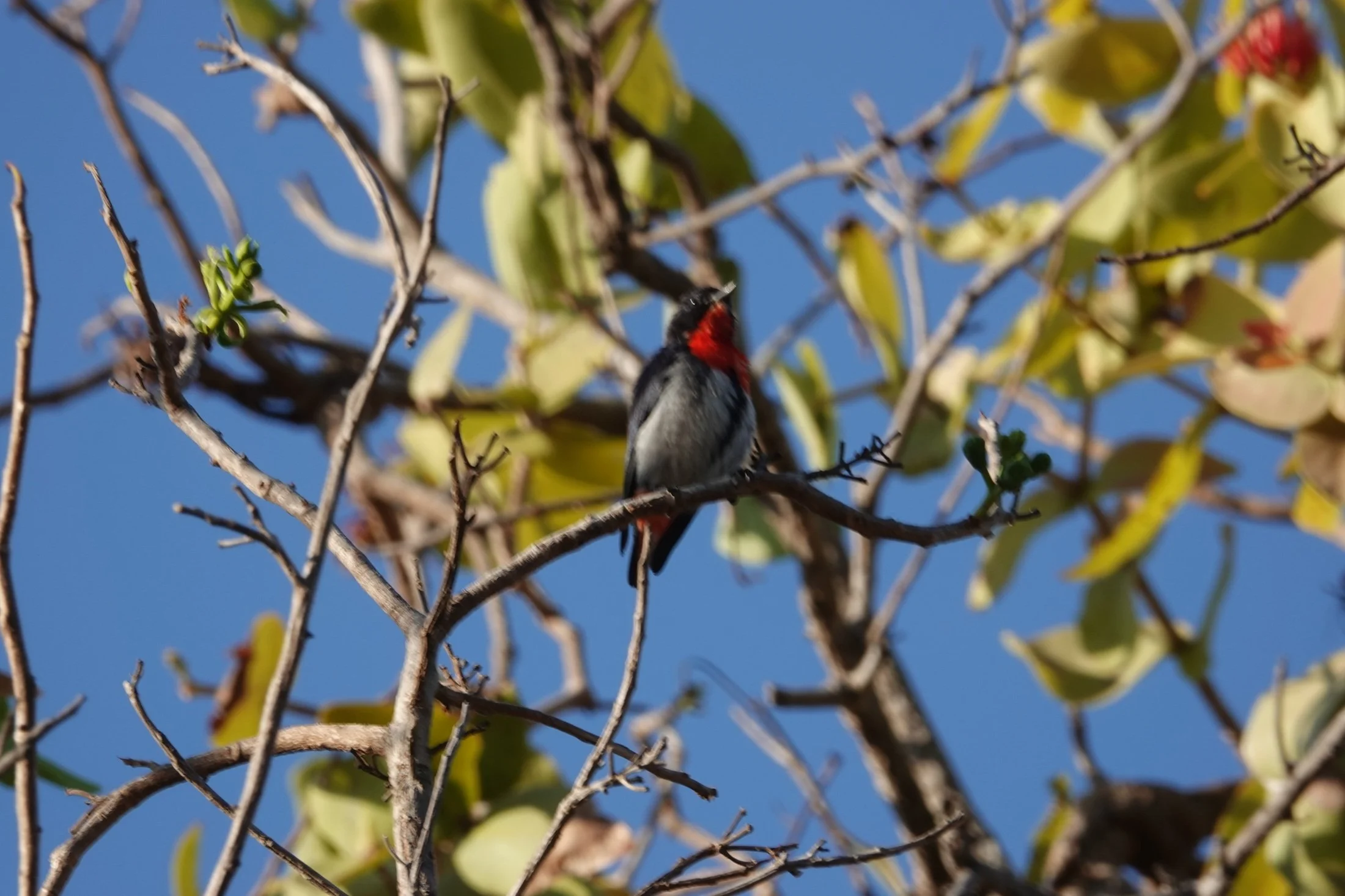
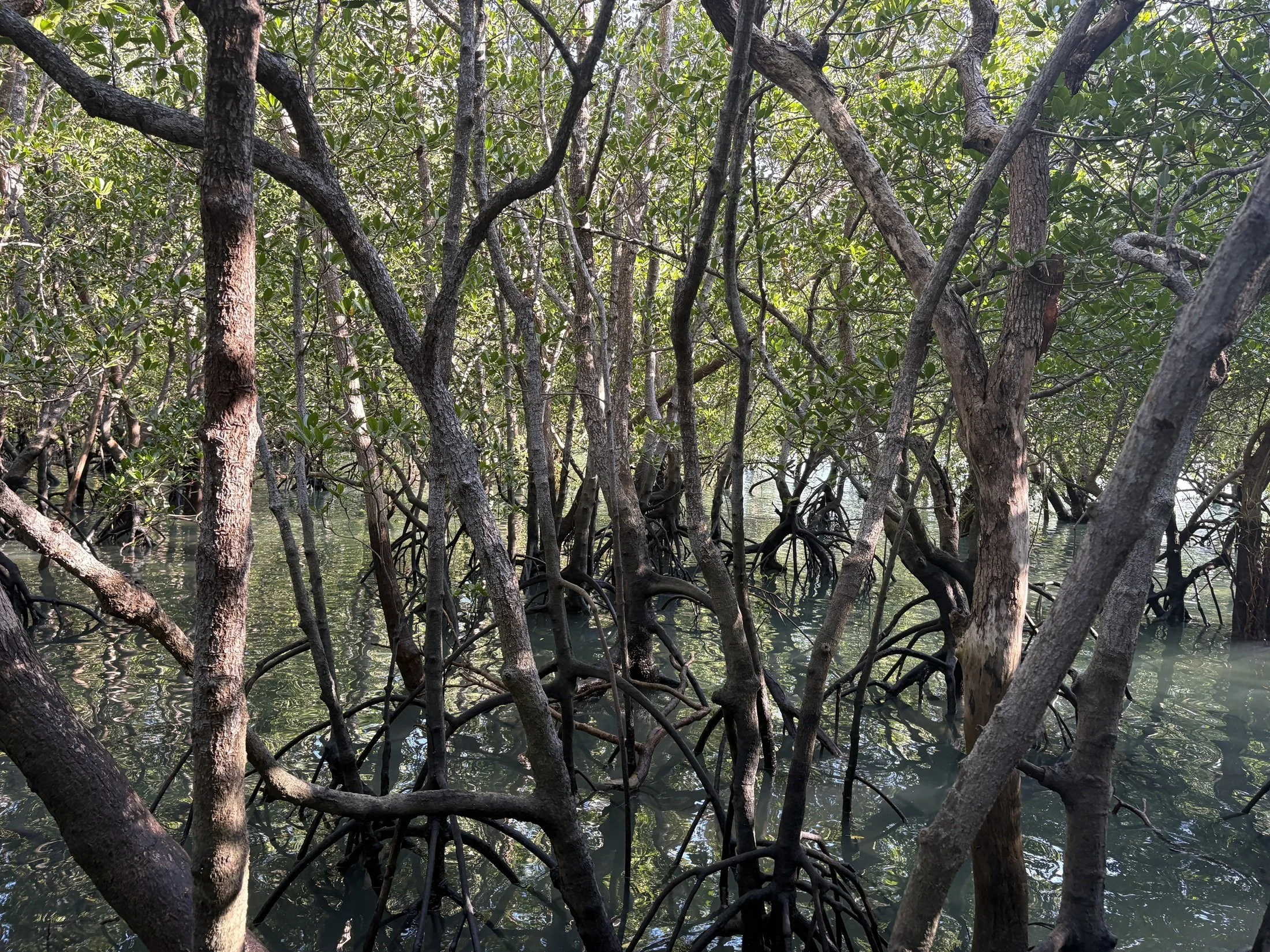
We next went to a boardwalk, (made mostly of metal), through a mangrove forest. The tide was still going out so for a portion of the forest there was still water to be seen. On the way into the forest we saw two mistletoebirds, (pictured). The male is a stunning little bird. Australian yellow white-eye, red-headed myzomela and gray whistler were also seen along the route. In the mangroves themselves we dipped on a number of mangrove species but had wonderful views of the black-tailed whistler male. A stunner.
We were nearly back to the van when we saw a group of little friarbirds tearing into a spiderweb. They were using the silk as nesting materials.
Morning tea was next and amongst the birds we saw were yellow-tinted honeyeaters. Apparently, these birds are from further south in Australia, but a drought one year drove some of them north. They stayed and started breeding and there you go, the story of a beautiful little honeyeater in Darwin.
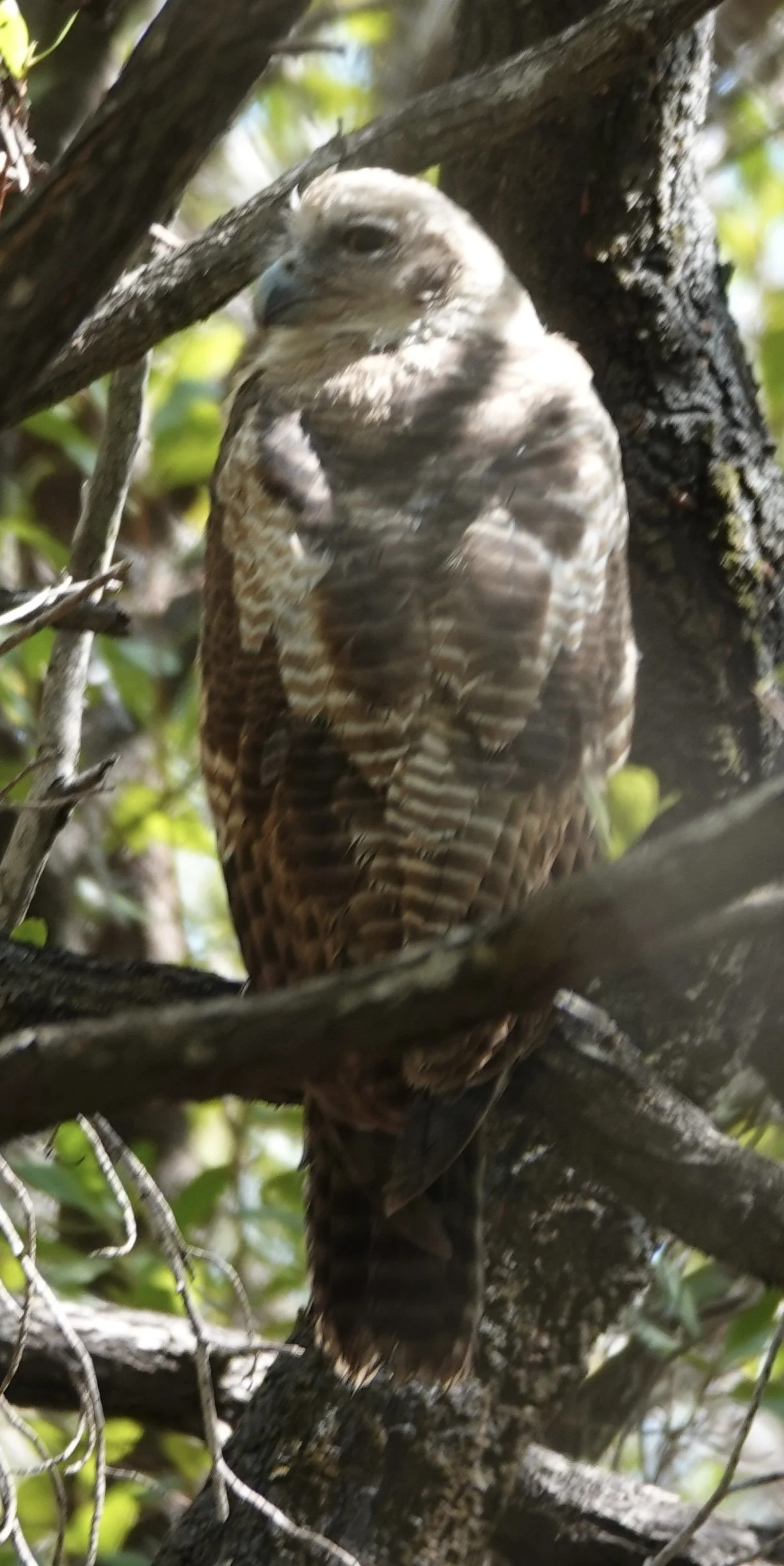
We then went to a spot where we saw an adult rufous owl flying through the forest. What a magnificent bird. A minute later Luke found a juvenile rufous owl, (pictured), that was extremely cooperative.
The mouth of Buffalo Creek was our next stop. As we drove in, we saw two female red-backed fairywrens. (Such long tails.) When we arrived, we saw in the distance on the shoreline two black-necked storks. Old friends from northeast India. One of the women in our group wanted to see them and she was delighted.
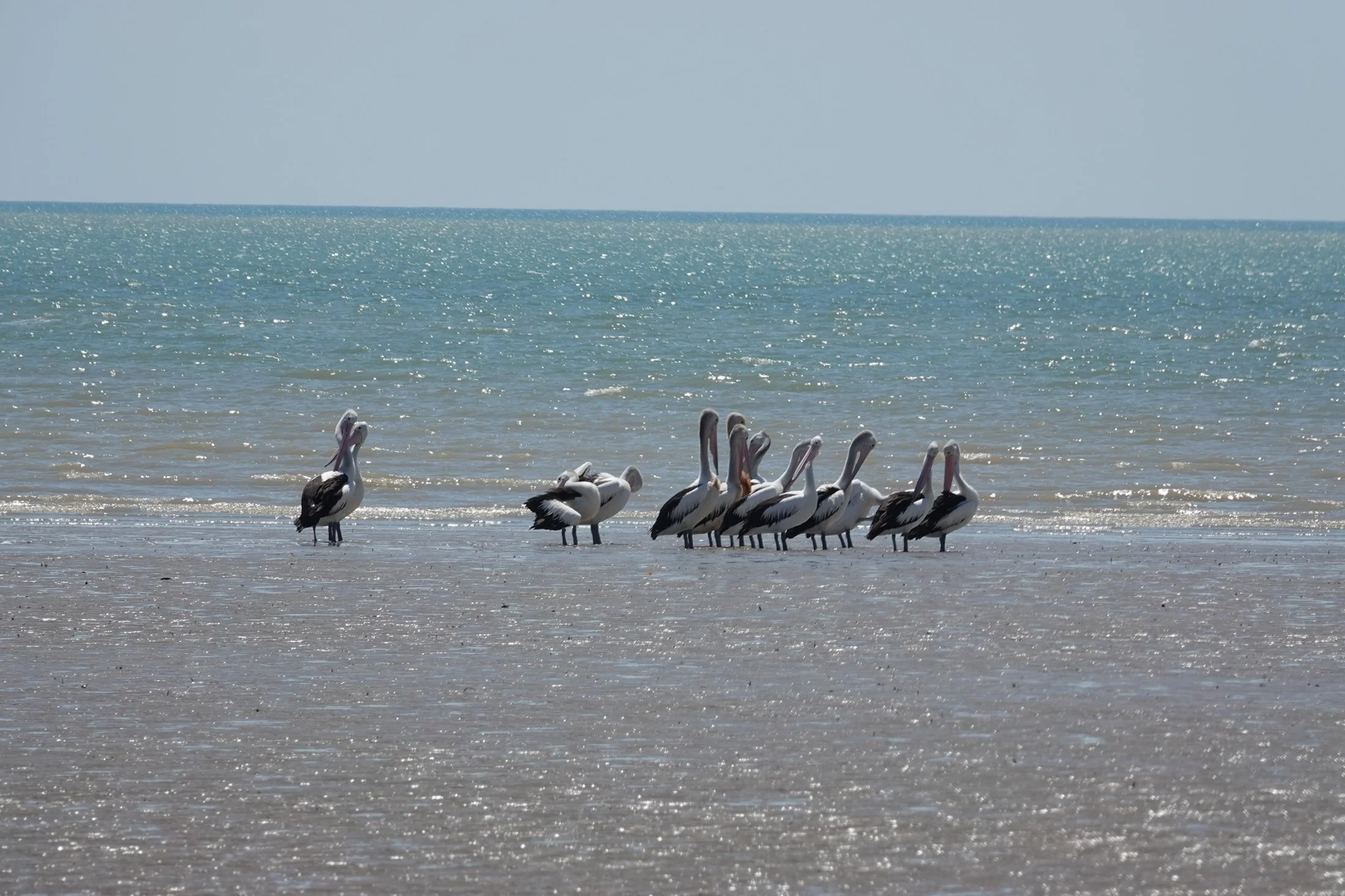
Along the coastline we also saw a group of Australian pelicans, (pictured). They have the largest bills by volume of any bird in the world.
Our group was going to get a closer view of the storks and other birds we could see on the shore. I asked Luke if I could get closer to the pelicans for pictures. I trudged through wet sand until I got to where the tide had recently been and started walking towards the pelicans. As soon as I got close enough that they filled my screen I turned towards the rest of our group.
A small ridge of sand obscured them from me until I crested it. When I did Luke was waving his arms at me. I knew it meant only one thing. I hustled through the soft sand and although no one would confuse me with Usain Bolt I got to the crew in short order. And sure enough, Luke had spotted a chestnut rail. I dipped on it yesterday. I was filled with rail joy to see this very large rail through the scope. Yippee!
But the shore wasn’t about just pelicans and cranes and a rail. We also saw Far Eastern curlew, great knot, silver gulls, Australian terns, Australasian darter and pied cormorant. The pied cormorants’ necks are as pure white as silver gulls, both are gorgeous.
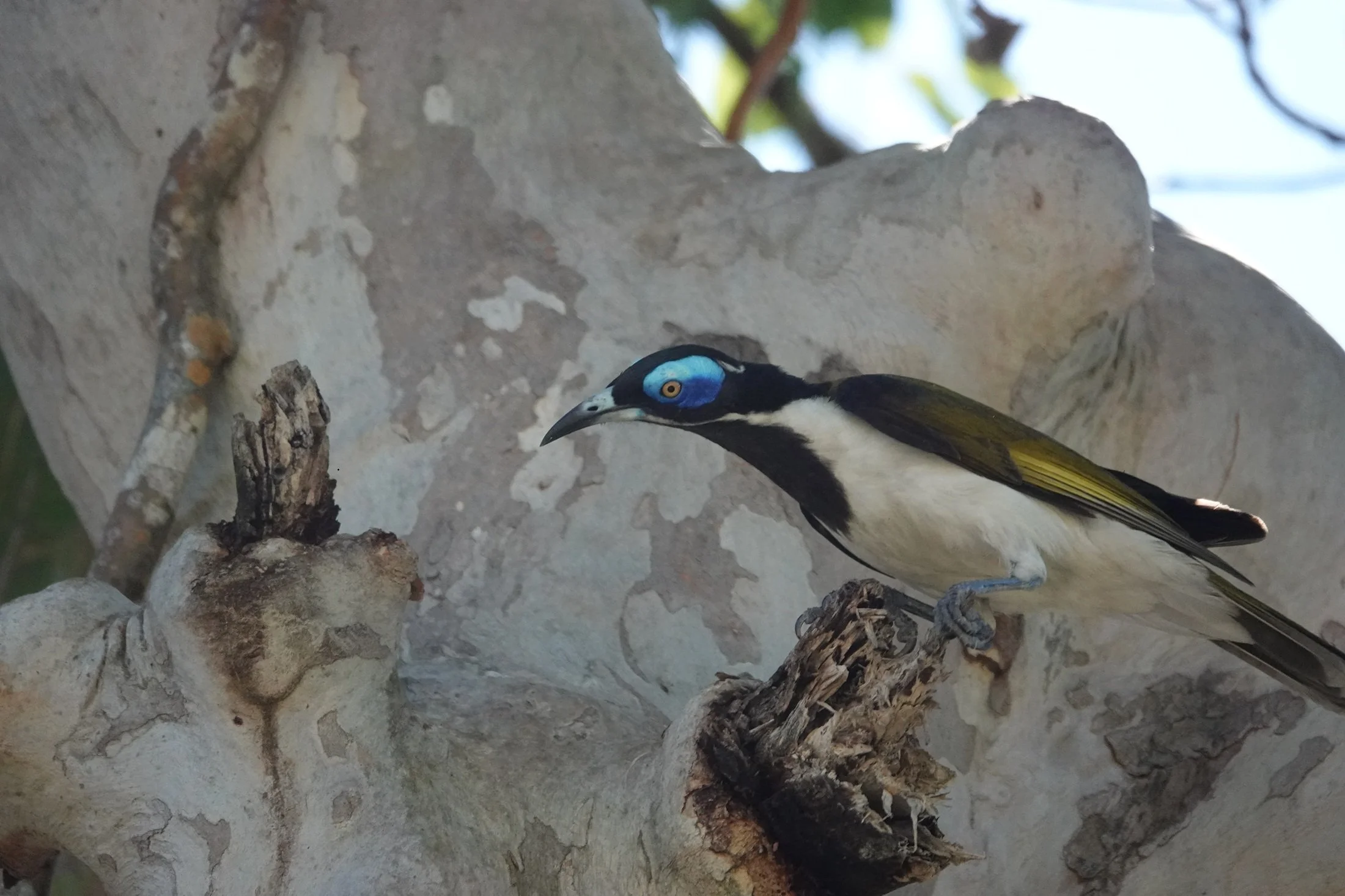
Our final stop involved yet another wonderful lunch from Sarah. And the birds didn’t disappoint either. A brown goshawk and an Australian hobby were two of the highlights. And a blue-faced honeyeater, (pictured), graced us with its presence over our lunch table.
This was yet another wonderful day of birding. And I like the fact that I’m getting a chance to rest with these low key days that end around 2:30 PM every day. The lifer totals haven’t suffered so far because it’s a new spot. But the birds really are plentiful compared to Indonesia or PNG.
And yes, this was yet another day when I picked up some of the birds I didn’t get in PNG. I got six today, bringing the total for two days to 20. I’m digging out of the PNG hole.
My lifer total tonight is 2,300. Obviously a long ways to go but round numbers sure are fun.
62 species, 22 lifers
Fogg Dam
August 15, 2026
Luke and I birded today and what a day it was. He picked me up and we headed towards Fogg Dam Conservation Reserve. We birded the road along the way and found singing bush lark flying above us and singing. I was reminded so much of the skylarks flying and singing at Rainham.
We saw two Nankeen kestrel sitting in a tree. And as I was scanning the fields I discovered an Australian bustard.
Fogg Dam was created to try to grow rice in the 1950s. The rice growing failed but what was left in its wake was a wonderful wetlands. We spent the entire morning in this wonderful place and saw an incredible array of birds. It all started with wonderful views of bar-breasted honeyeater, rufous-banded honeyeater, and the bicolor and beautiful paperbark flycatcher.
Australian reed warblers brought me back to Walthamstow and searching for reed warblers with David. In the same set of reeds we saw the reed warblers we also got close in views of a white-browed crake, quite the surprise because crake are always pretty skulky. And we saw many comb-crested jacana, a petite bird on long legs with a comb that varies in color from white to bright red depending on the birds mood of all things.
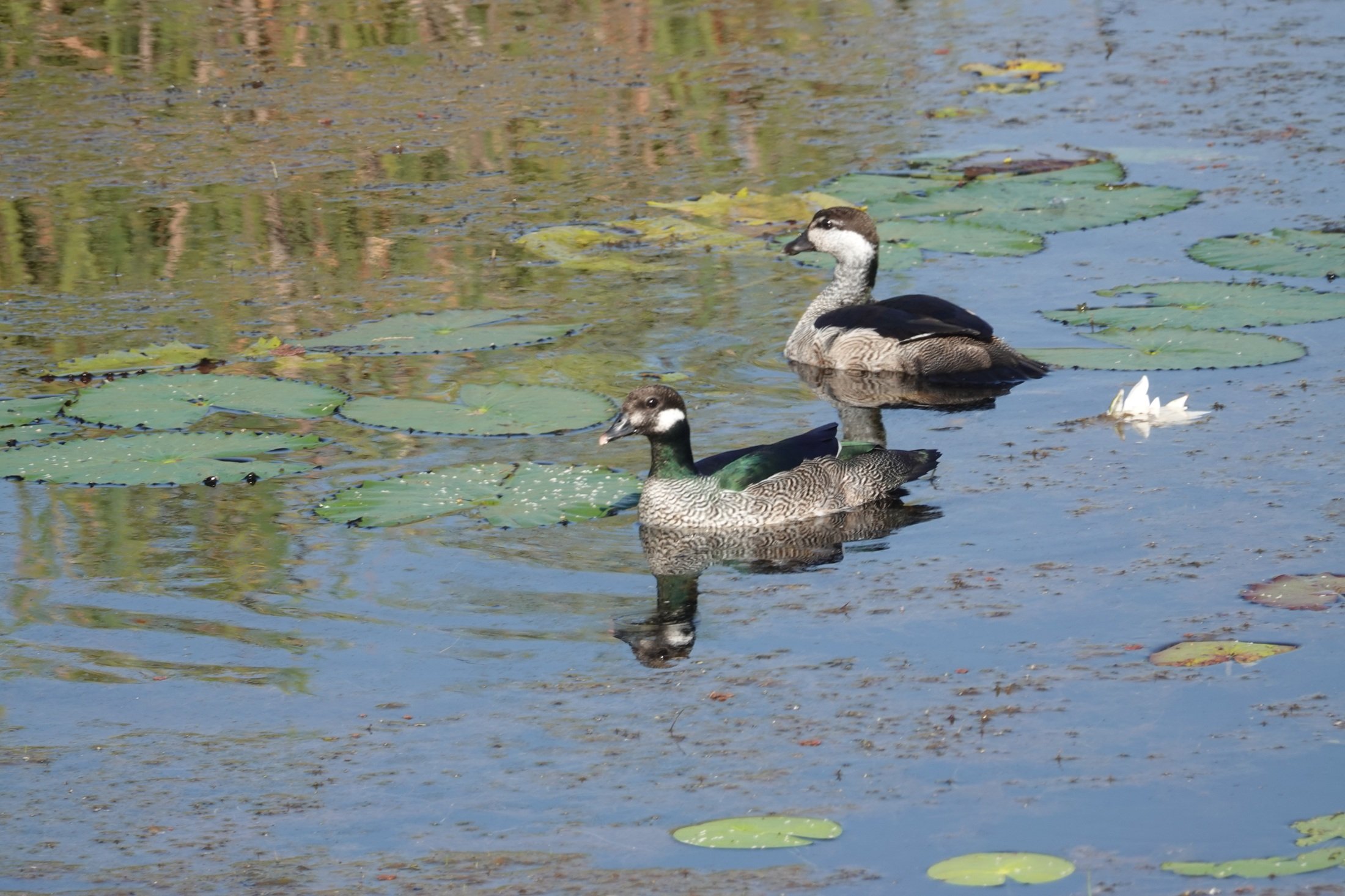
The waterfowl were abundant. I’d never seen pied heron. That was remedied today. I saw at least 4,000. There were at least 1,000 magpie geese. And speaking of geese we saw numerous green pygmy-geese. They aren’t geese at all. They are a beautiful diminutive duck, (pictured). Gorgeous plumed whistling-ducks, wandering whistling ducks, straw-necked ibis, two giant channel-billed cuckoo, (I saw them flyover one windy morning in Sulawesi, so they were old friends, but to see them up close you truly understand how big they are.)
I was fascinated by the coloring of a Pacific heron. An Australasian grebe was hanging out with a group of pygmy geese. From a viewing point we saw distant scope views of two brolga. What big birds.
As we were leaving Fogg Dam we were thrilled to see a pheasant coucal. What interesting coloration. These were just a few of the many birds we saw in this wonderfully birdy and interesting spot.
We birded the main road again after we left Fogg Dam and were rewarded with a most astonishing view, thousands upon thousands of black kites. They were in the turf farms we drove through and in several kettles, each one with no less than 100 birds in it. A few whistling kites were also in the mix but it was primarily black kites by the thousands. Though a little further on we got wonderful views of an adult black-breasted kite and a juvenile as they flew over.
After yet another wonderful lunch from Sarah we birded Knuckey Lagoons. It’s basically a very, very large pond. I immediately spotted Australian pratincole, the bird we’d come to the lagoon for. We also saw Pacific black ducks in abundance along with many, many other species of waterfowl, all of them by now old friends.
This was yet another wonderful day of birding. Luke is a fantastic guide. His pishing is the best I’ve ever heard. It really draws in the birds. And he can mimic the calls of many, many birds.
After a short nap I found a barbershop and got a much needed trim. Then I walked to the harbor and had amazing tacos for supper. Tomorrow I’m headed to Alice Springs. New adventures await.
Note: I have many good pictures from today but it’s late and the Alice Springs flight is early. I will give you a picture of the pygmy geese, my favorite bird of the day. At some point I will create a page of the other pictures I took.
65 species, 16 lifers.
Alice Springs
August 16, 2026
Today I flew from Darwin to Alice Springs via Cairns. I saw Australian swiftlets soaring around one of the runways at the Cairns airport. I also got some yummy designer chocolate at that airport.
After I checked into the Alice Springs hotel I birded Olive Pink Botanic Garden. What a lovely little garden set in an arid environment. I didn’t see a lot of bird species and I’m sure I missed some, but I did see some pretty cool birds.
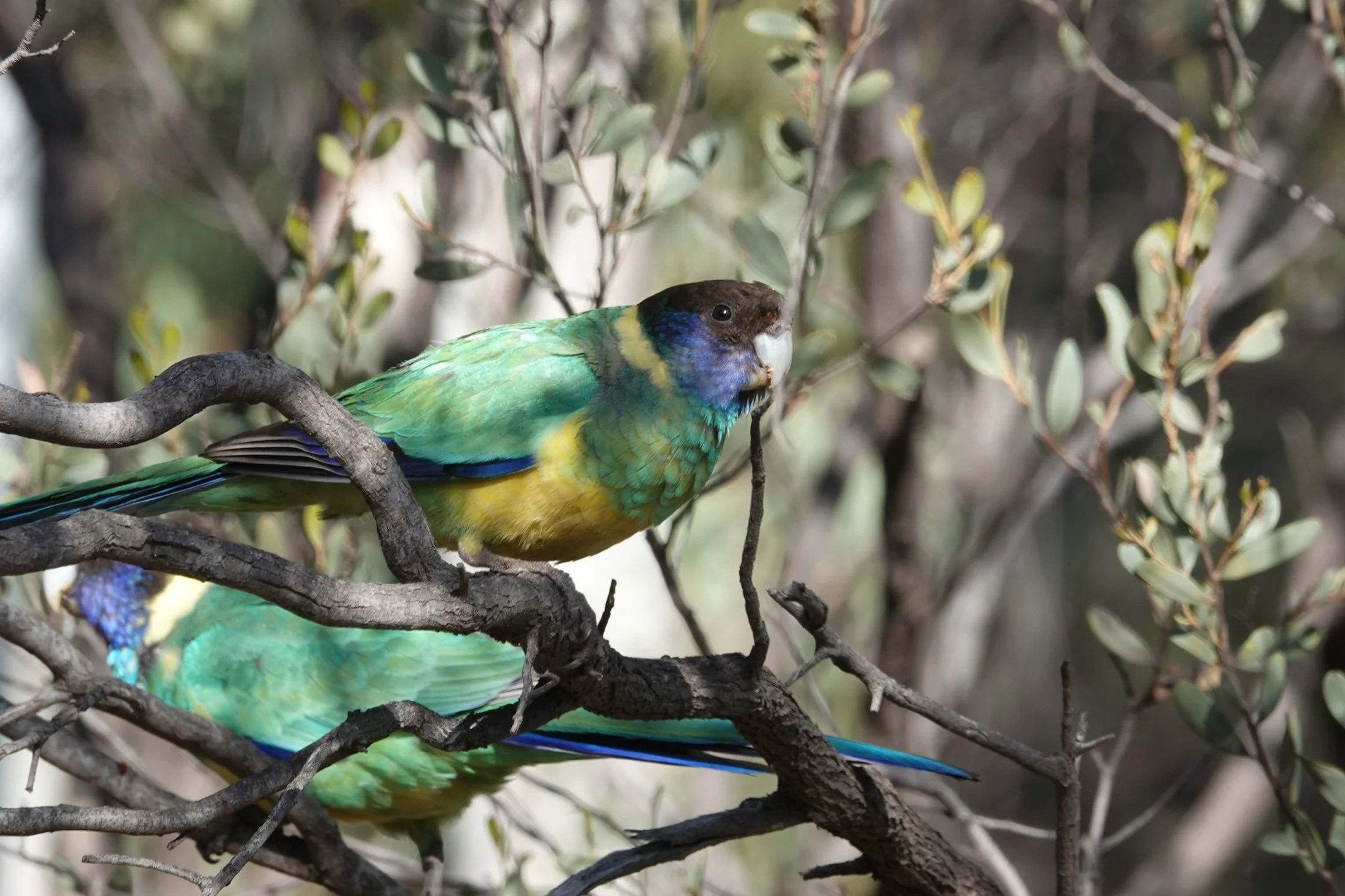
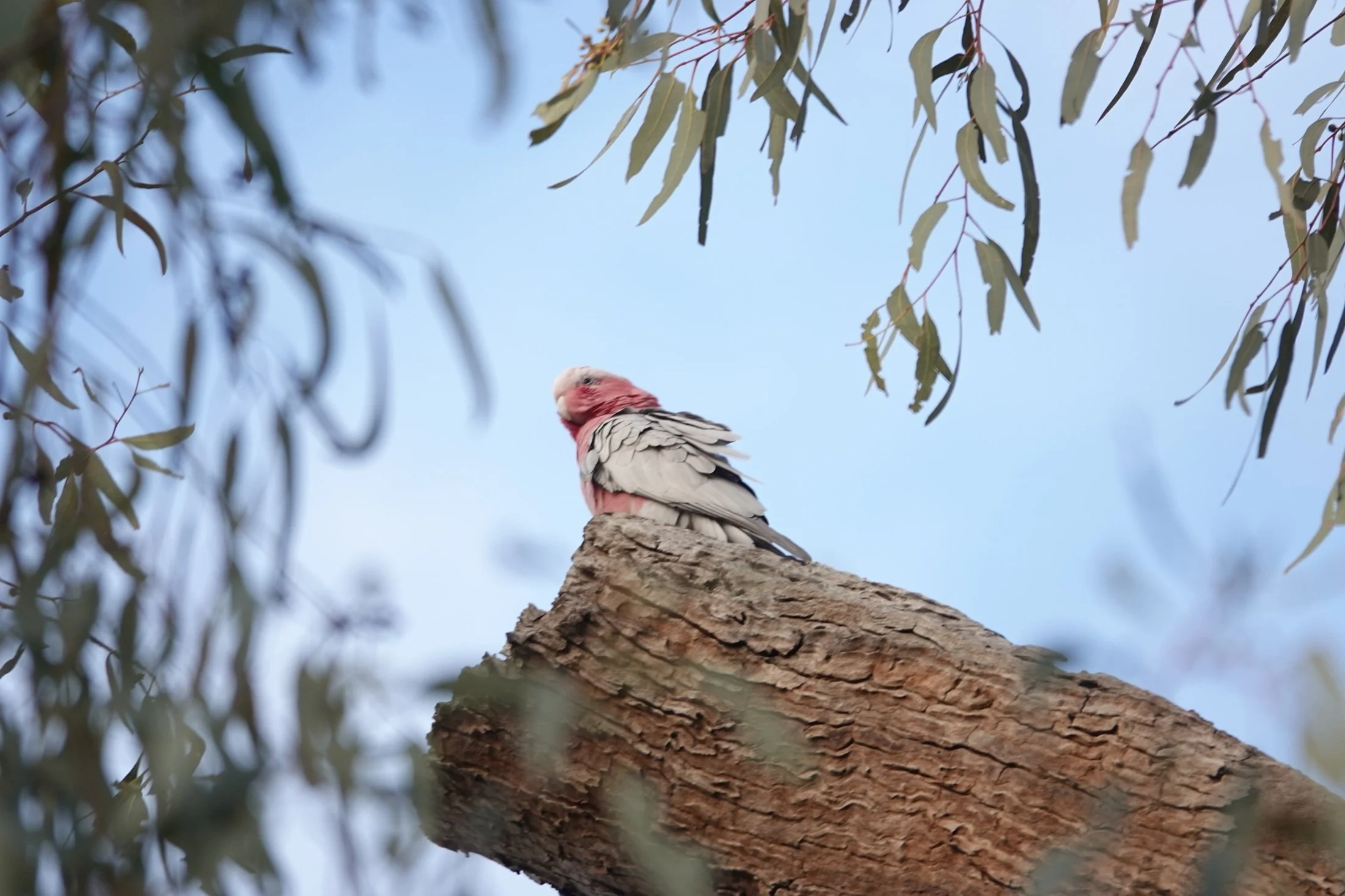
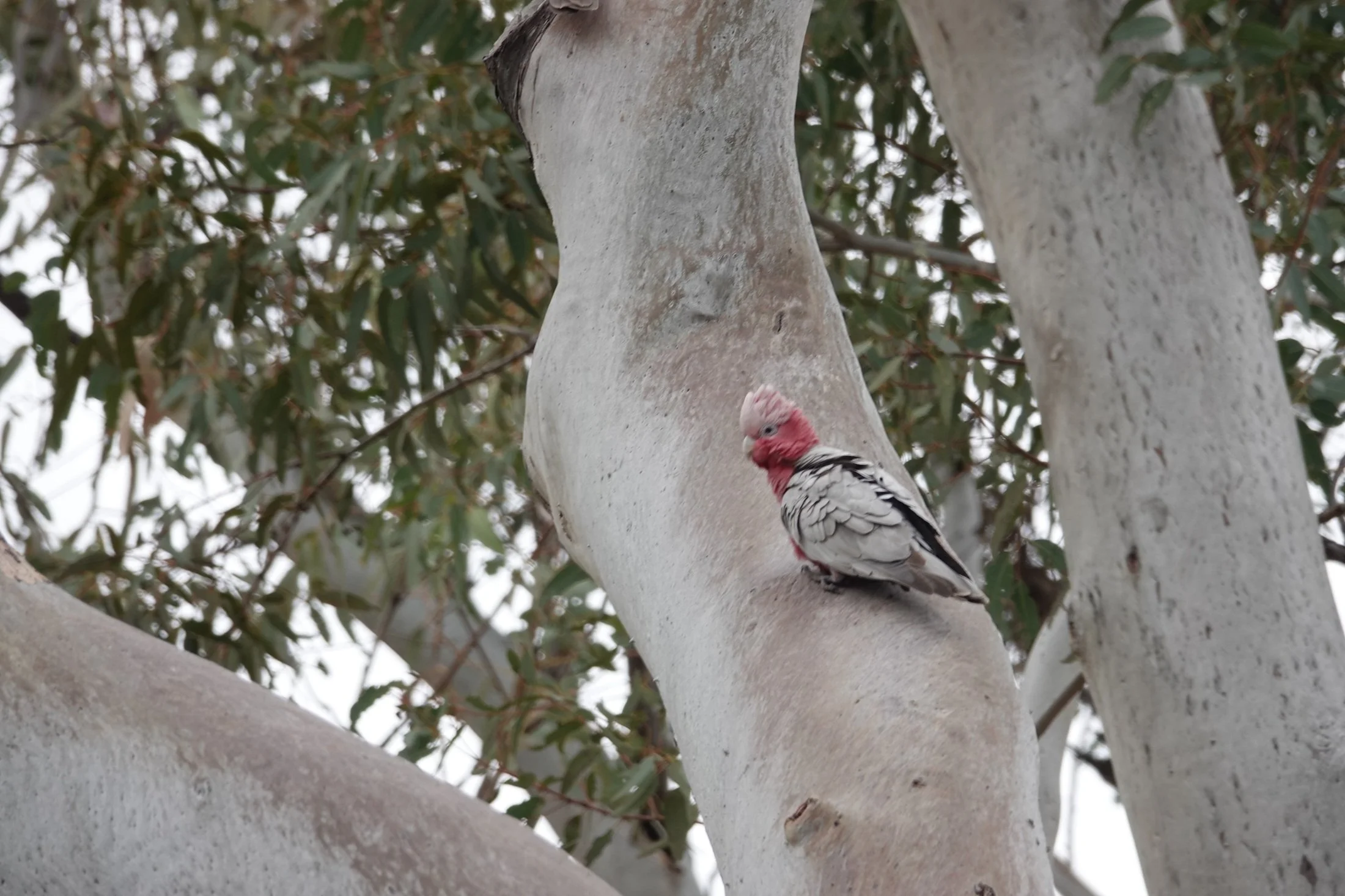
A crested pigeon was sitting on a phone wire. I saw numerous galah, (pictured). A very strange looking parrot. Two Australian ringneck, (pictured), were getting busy as I entered the garden.
I saw numerous western bowerbirds, including one close to its bower. The bower is made of sticks but there are also lots of bits of plastic beside the bower as well.
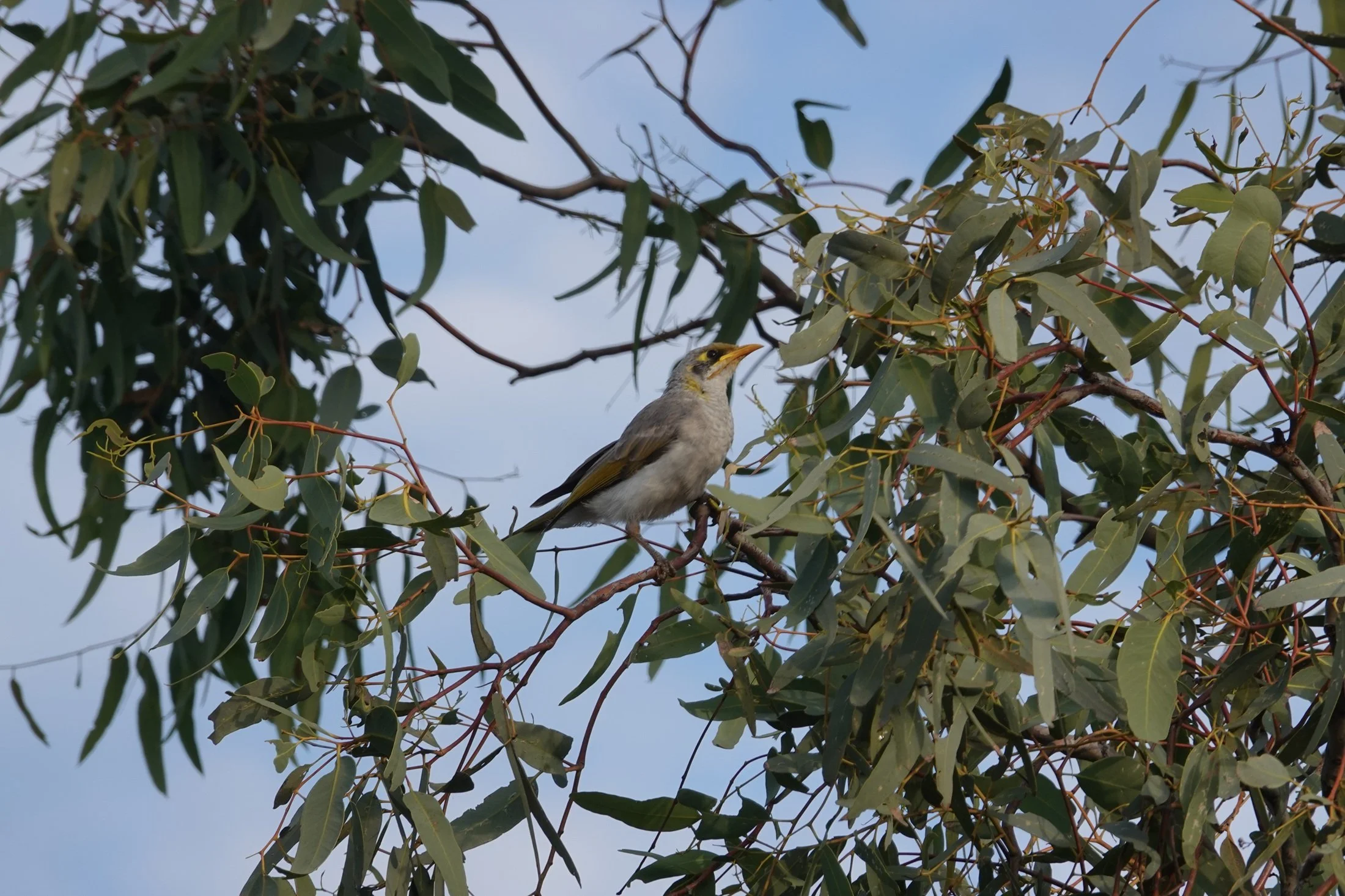
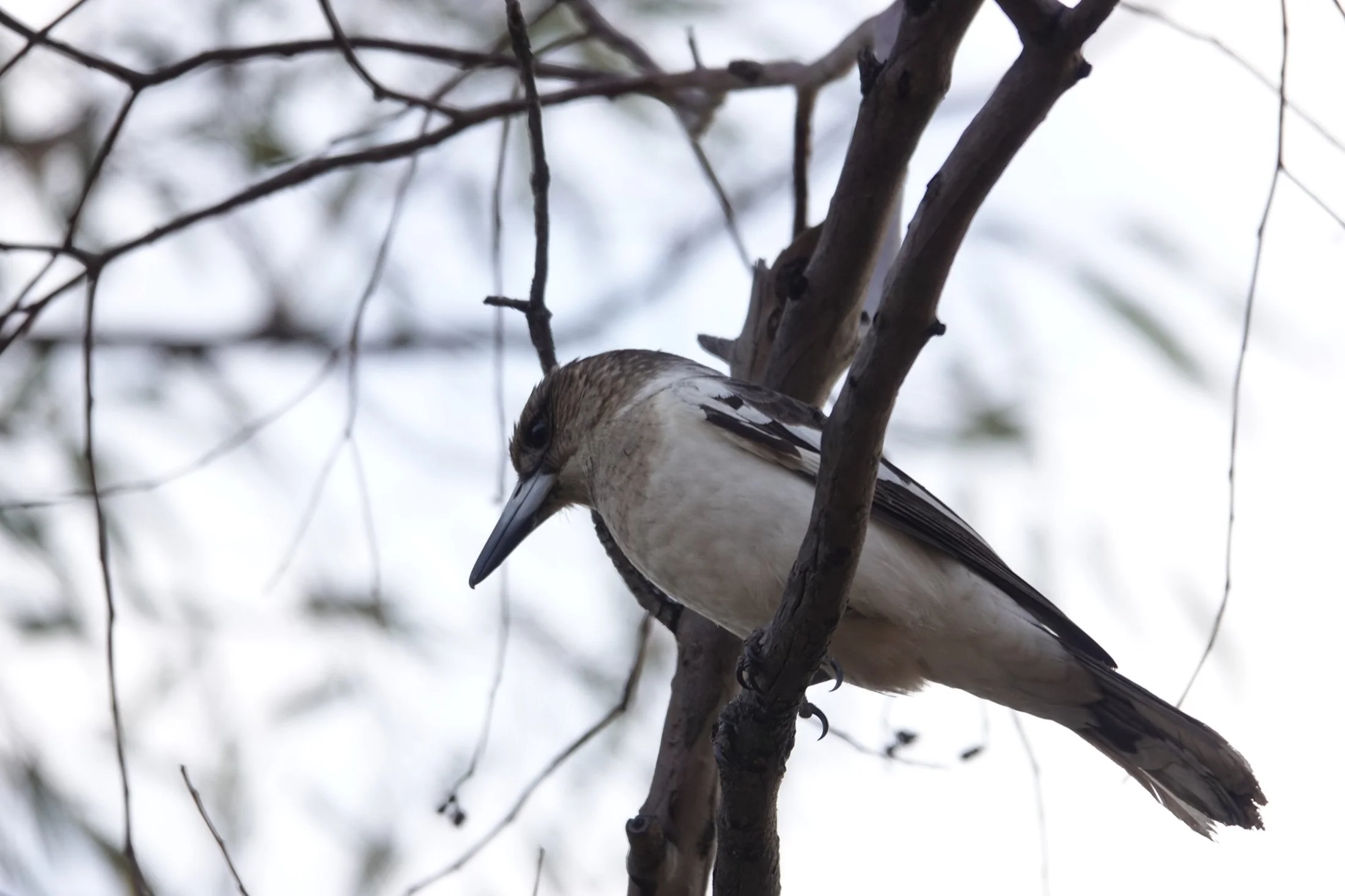
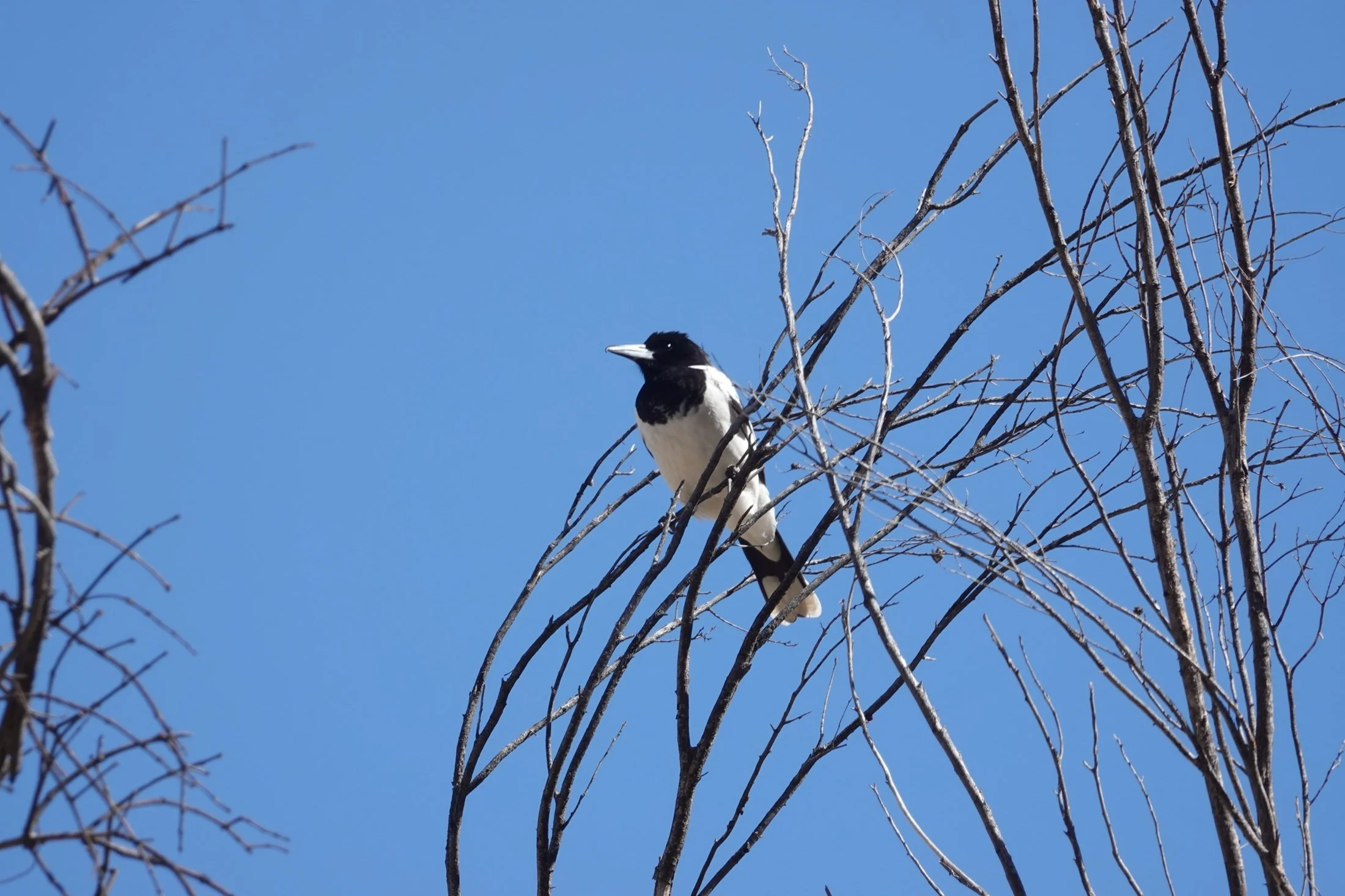
I also saw many yellow-throated miner,(pictured), and white-plumed honeyeater. I saw one juvenile pied butcherbird,(pictured), as I was leaving the gardens.
Such a pleasant way to spend the afternoon. I had a parmy for supper, an Aussie classic.
16 species, 9 lifers
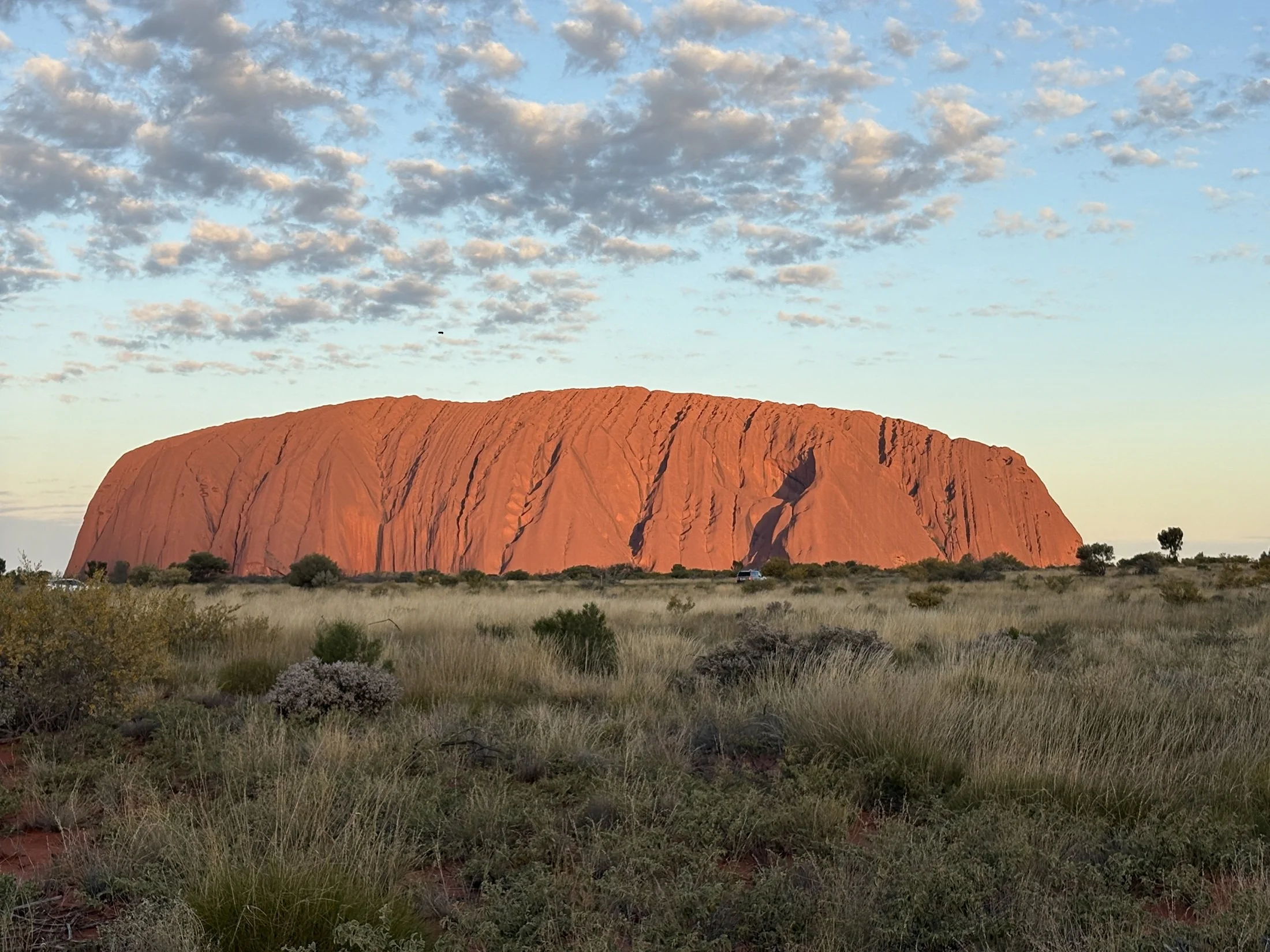
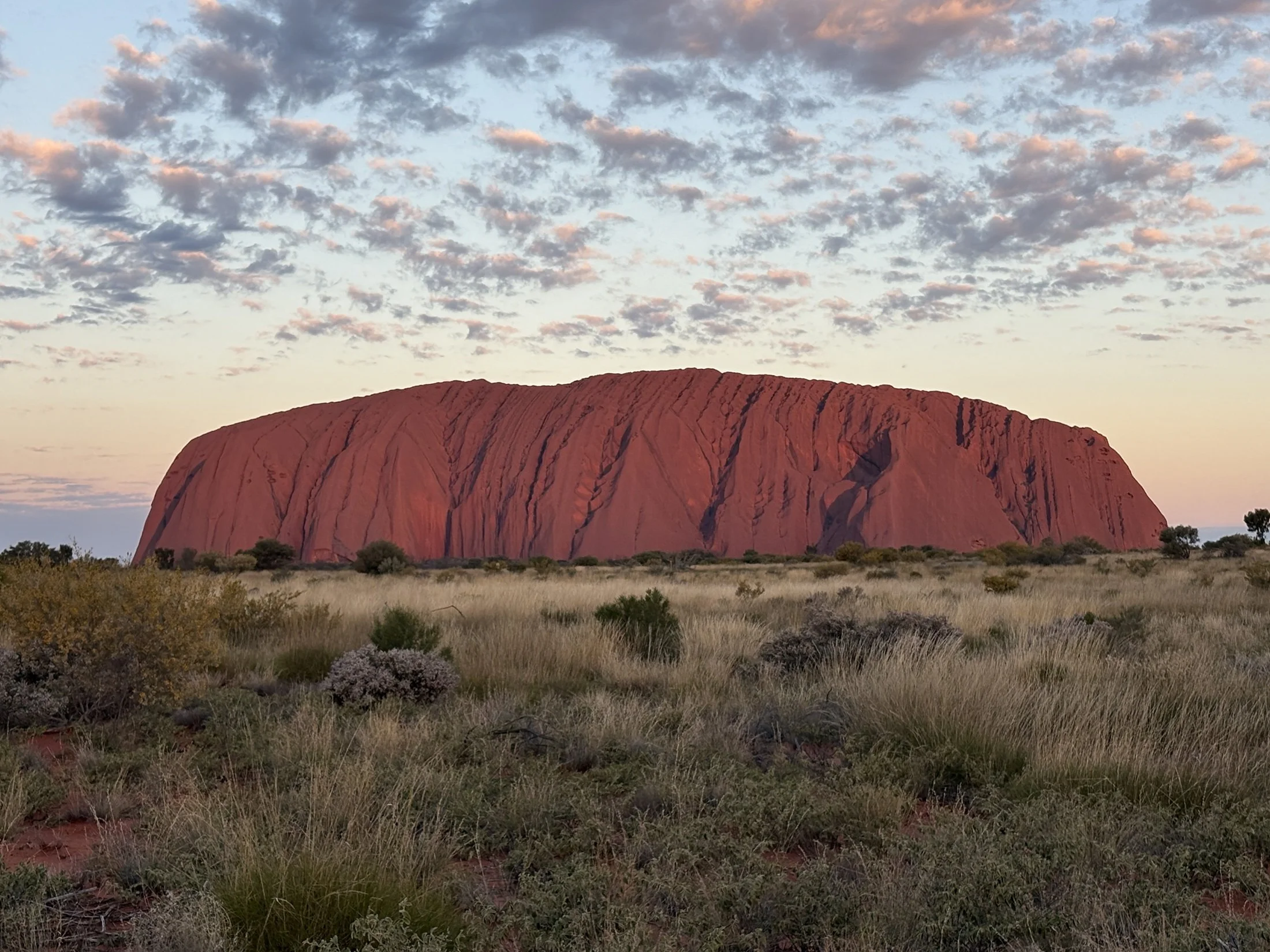
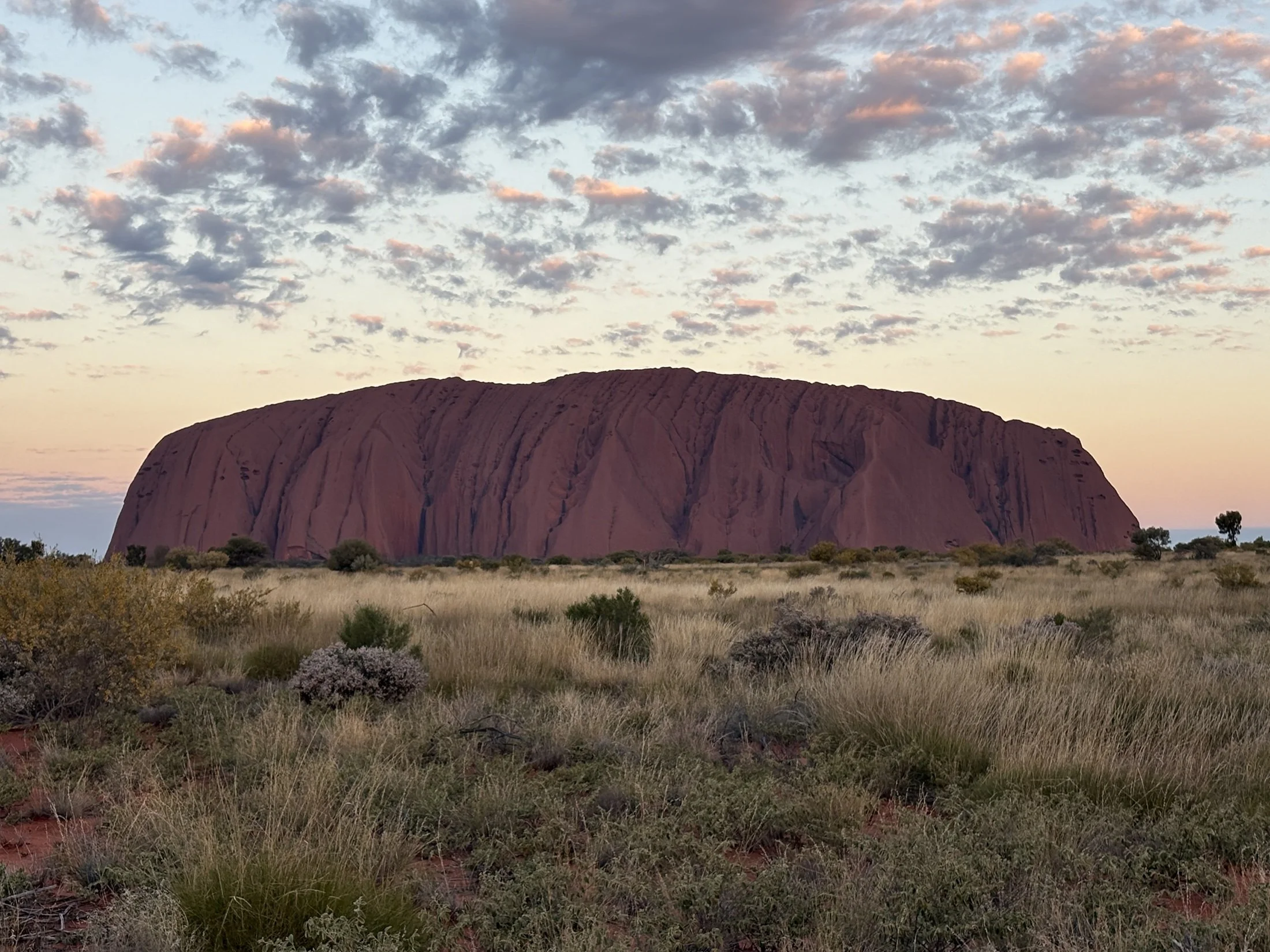
ULURU
August 17, 2026
This morning I got picked up with Patrick another birder at our hotel by Matt our driver and guide. We picked up a few more people and then headed out for a five hour drive to Uluru. Along the way I saw a few birds including two wedged-tailed eagles perched on a snag. We stopped in the village by Uluru for lunch. I went to the grocery store for my lunch. Then we saw white-backed swallow and black-faced woodswallow. At the culture center I saw three purple-backed fairywrens. The male was stunning. And as we got ready to watch sunset, I saw a group of zebra finches.
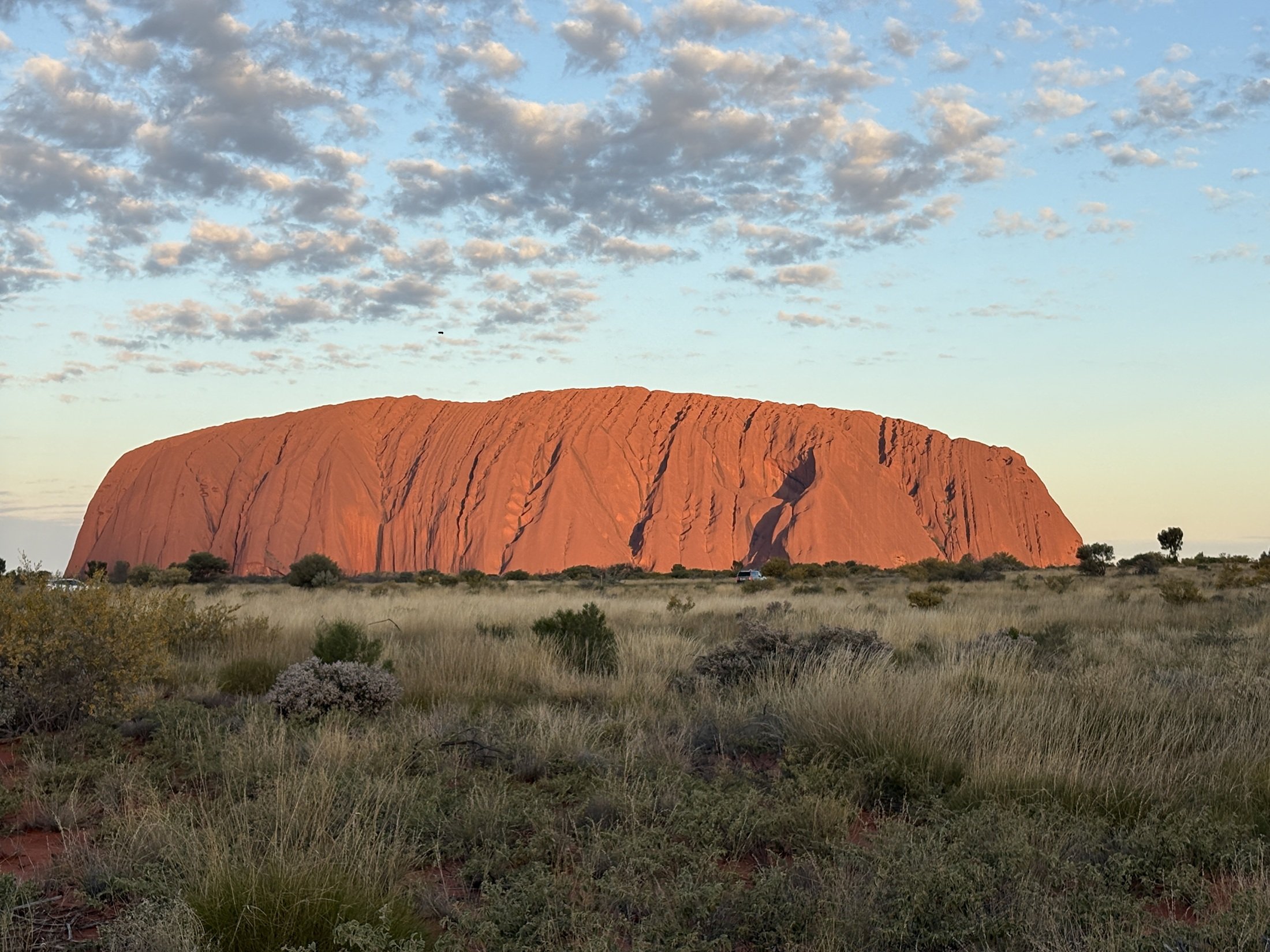
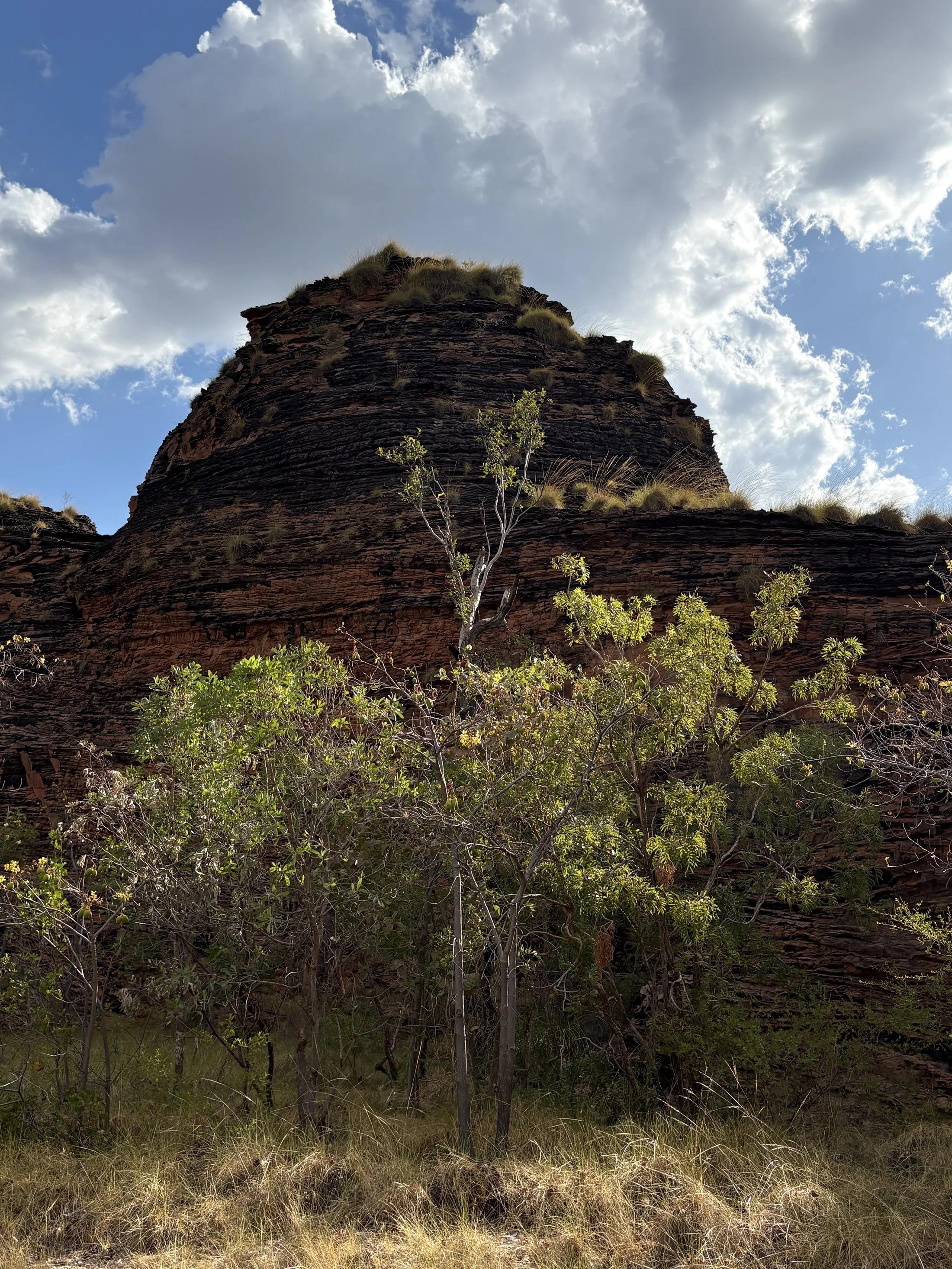
But this day wasn’t about birds. This was all about Uluru. What a very special place. It’s been on my bucket list for a long time. We went, as a tour group, on several walks. It seemed a little rushed and there were more stories than I really needed but the experience of being close to Uluru was just so wonderful. There was a barbecue before sunset. The food was very good. And sunset? It was too special for words so I’ll leave you with three pictures from that wonderful experience.
What a spectacular day!!!!!
15 species, 5 lifers
Uluru Sunrise
August 18, 2026
This morning we were up bright and early to watch the sunrise. Unfortunately, there was cloud cover so that the effect on Uluru was decidedly underwhelming. Doesn’t matter. Seeing Uluru and being around it for a day or so was really special.
I think I have a new favorite bird’s call. The singing honeyeater calls, “Barbecue, barbecue.” Seriously. And for those of you who know me you know my opinion of barbecue.
After sunrise we went on two walks. One was to the Olga mountains. As I went between two of the Olgas I made a wish. It’s a tradition in Belarus that if you are between two girls of the same name you can make a wish. I also tracked down a bird whose call sounds like a whip cracking at the end, a rufous whistler, (pictured). I got both pictures and a recording of this bird.
After a rushed lunch at the grocery store, we had an over two hour drive to King’s Canyon, another national park. We took a short walk and I saw gray-headed honeyeater and a striated pardalote screamed by.
All in it was a very quiet day. If I was running the tours I would spend one less day at King’s Canyon and one more at Uluru.
Note: Because of really slow internet I will upload a picture or two a little later.
9 species, 4 lifers
King’s Canyon
August 19, 2026
Right after breakfast this morning a spiny-cheeked honeyeater greeted me just outside the restaurant. Thank you very much.
Patrick and I were on the bus with a young woman who was going to walk the rim of King’s Canyon. I said no thank you, way too high for me. What I did though is have Matt drop me off about three kilometers from the parking lot. I’m glad he did. The parking lot was full of the cars and the trail we hiked yesterday was full of people.
I walked into the bush in several spots. Walking into the outback so to speak. One of the birds I heard and was chasing most of the morning was a crested bellbird. I heard it and got good recordings and got brief glimpses of it until at long last one settled into a small tree next to me and I got good views.
As I walked along a male splendid fairywren flashed across the road, a gorgeous turquoise. And towards the end of my walk I saw a raptor fly into a tree. Then, some brown honeyeaters were on a branch and they were causing a ruckus. Below them was another raptor. Both were collared sparrowhawks, known for their stare.
When the woman finished the rim walk Matt pointed me towards spinifex pigeons. I saw only one but what a beautiful little pigeon.
This afternoon after a wonderful burger and an equally wonderful nap I walked the rim trail around the resort. I saw mostly old friends including great views of splendid fairywrens. What tiny birds they are. And I saw one lifer, in the parking lot of course, a hooded robin.
Merlin and eBird are down for maintenance so I’m not sure where I stand but for a quiet day, I think I got quite a few lifers. I’ll add stats when they’re back up. And once again weak internet prevents me from posting pictures. I really want to show you that sparrowhawk stare.
We’re headed back to Alice Springs tomorrow. I will have three days of leisure time before the next tour starts. Really looking forward to it.
And now I can say I’ve been to Uluru!!!
16 species, 7 lifers
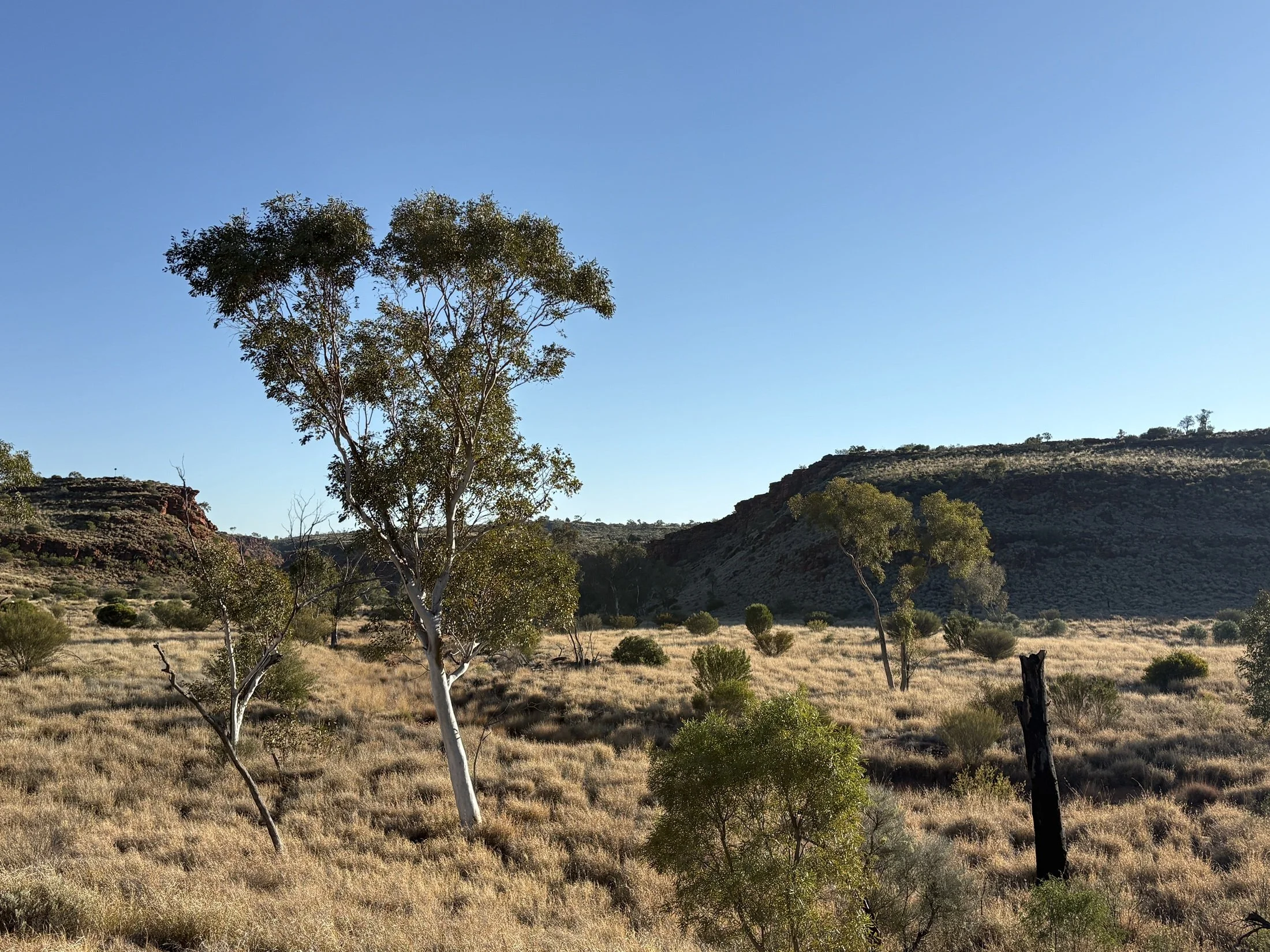
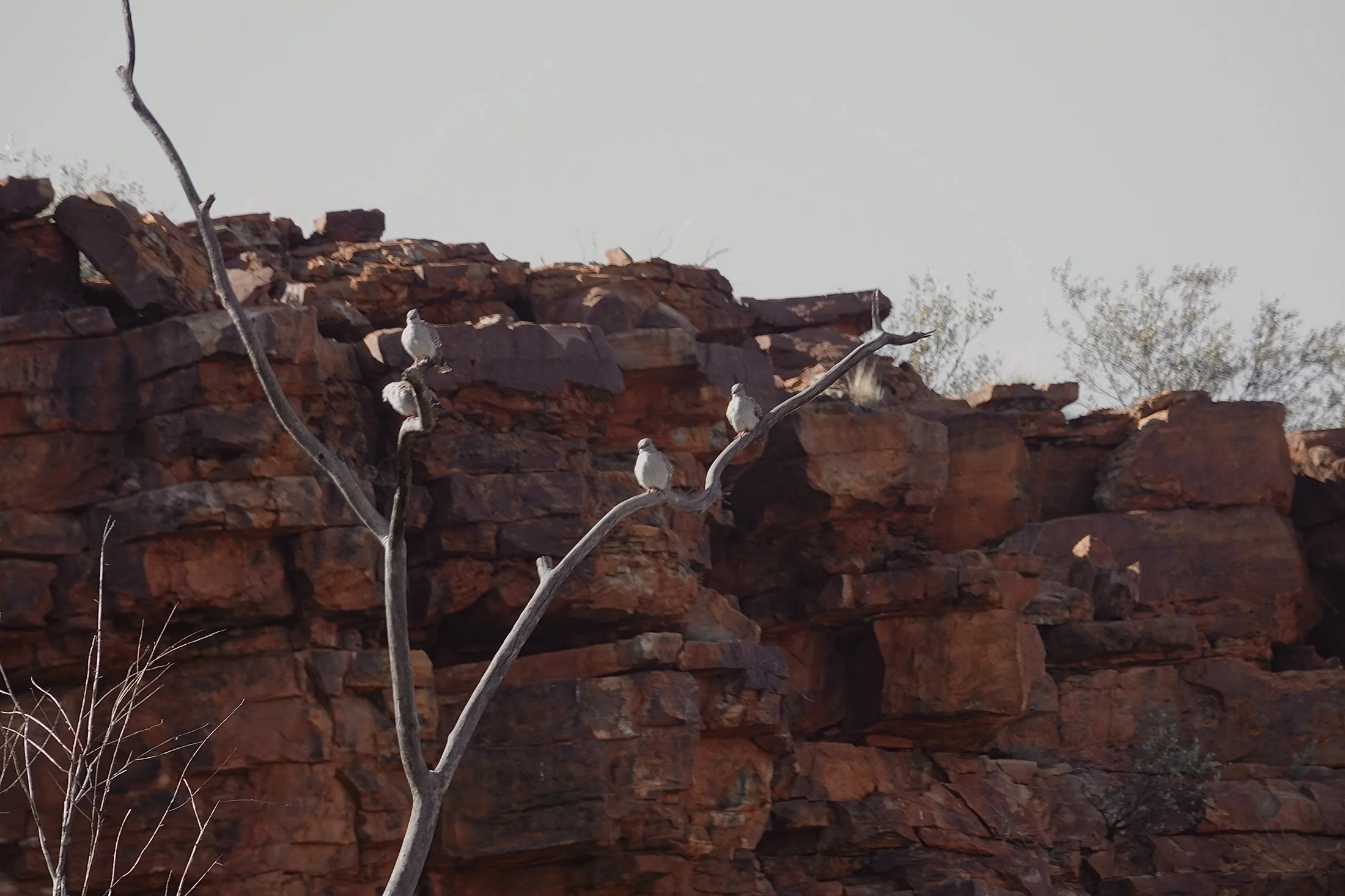
Kathleen Springs and an Emu
August 20, 2026
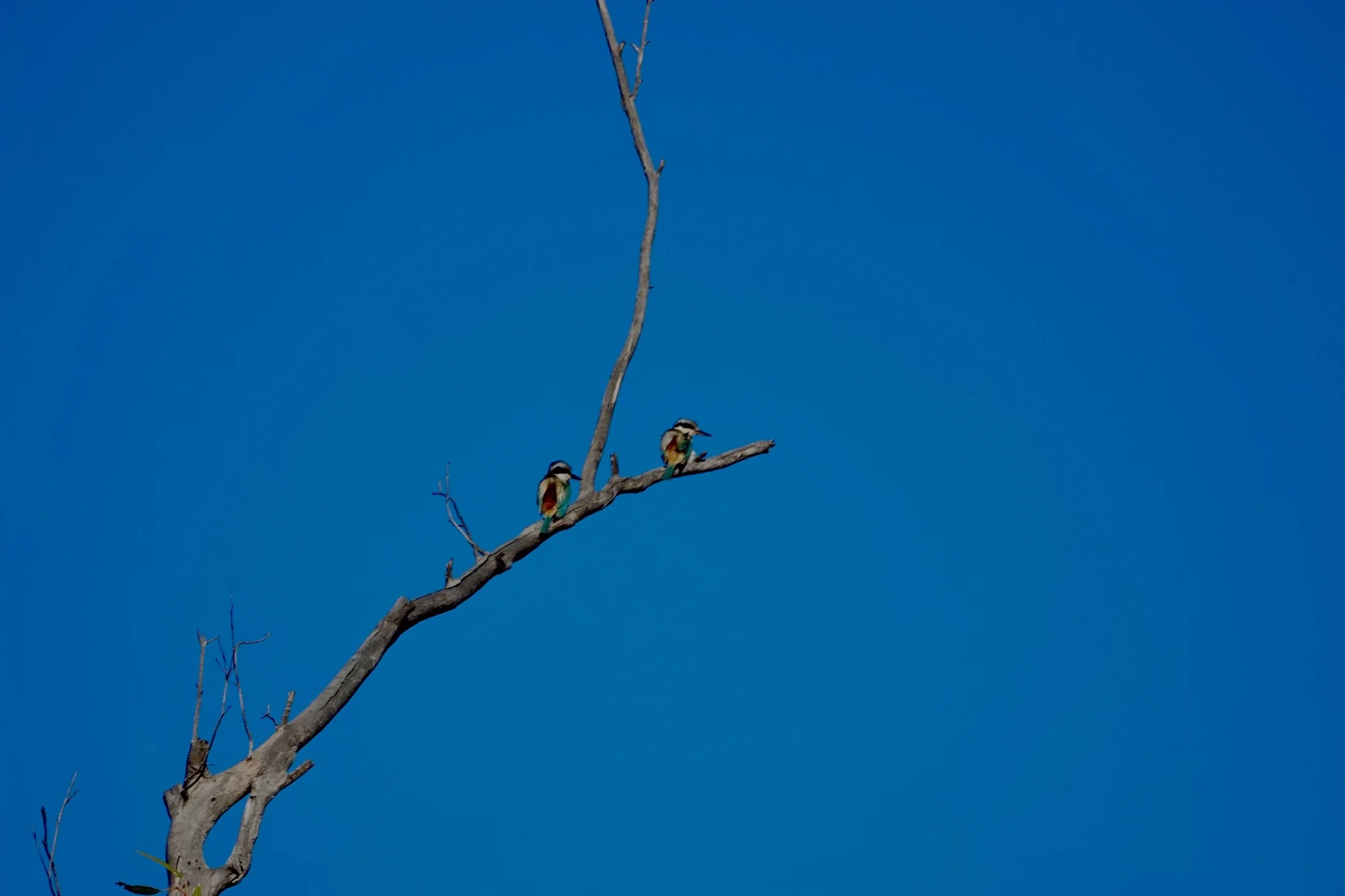
This morning we went on a walk to Kathleen Springs. It was a place where there’d been a cattle ranching operation. There was still evidence of it. I was surprised by the birds. Not a lot but very interesting. Patrick found two red-backed kingfishers, (pictured), perched on a snag. Masked woodswalllows flew over us. And as we neared the end of the walk I saw four diamond doves, (pictured), fly into a tree. We also saw a very large flock of zebra finches. Old friends from Uluru.
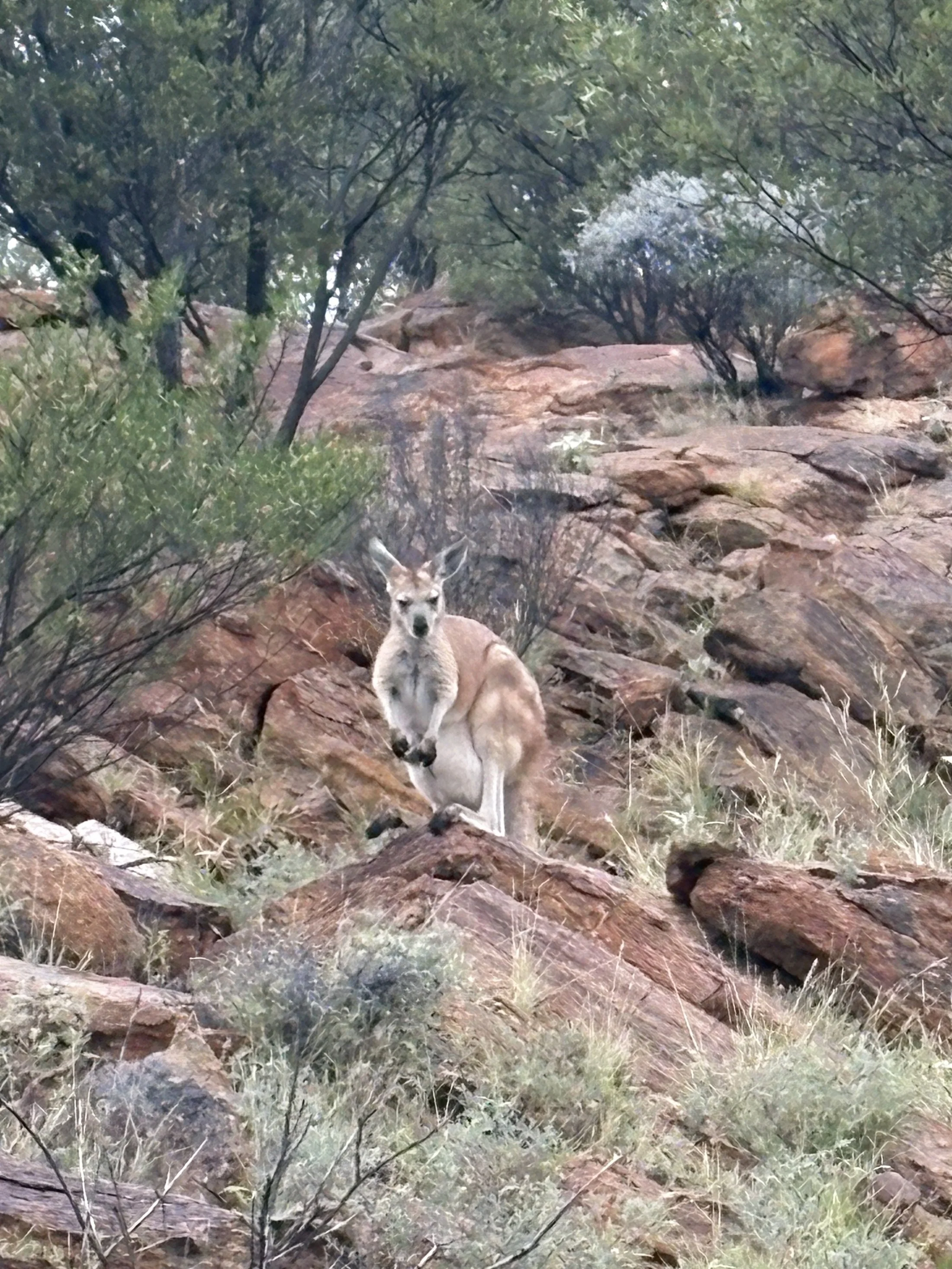
After our walk we began the long return journey to Alice Springs. Along the way an emu ran beside the bus for a bit.
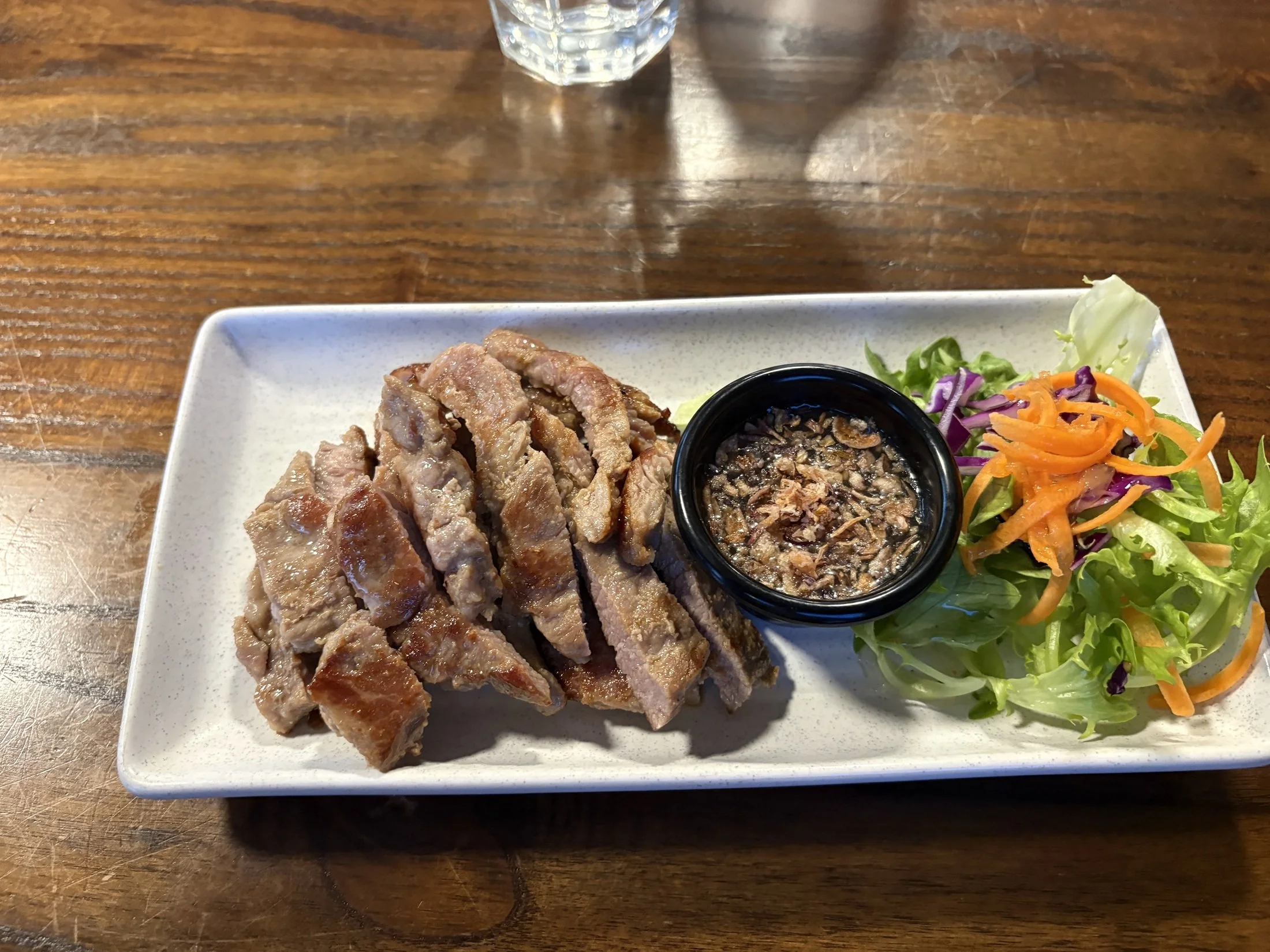
Late this afternoon I did laundry. I was in need of long sleeve shirts of all things. Then I went to a Thai place called Q Eats. Two of the women on the tour recommended. It was yummy. I started with grilled pork neck. Wow, what a winner.
8 species, 4 lifers
Day of Rest
August 21, 2026
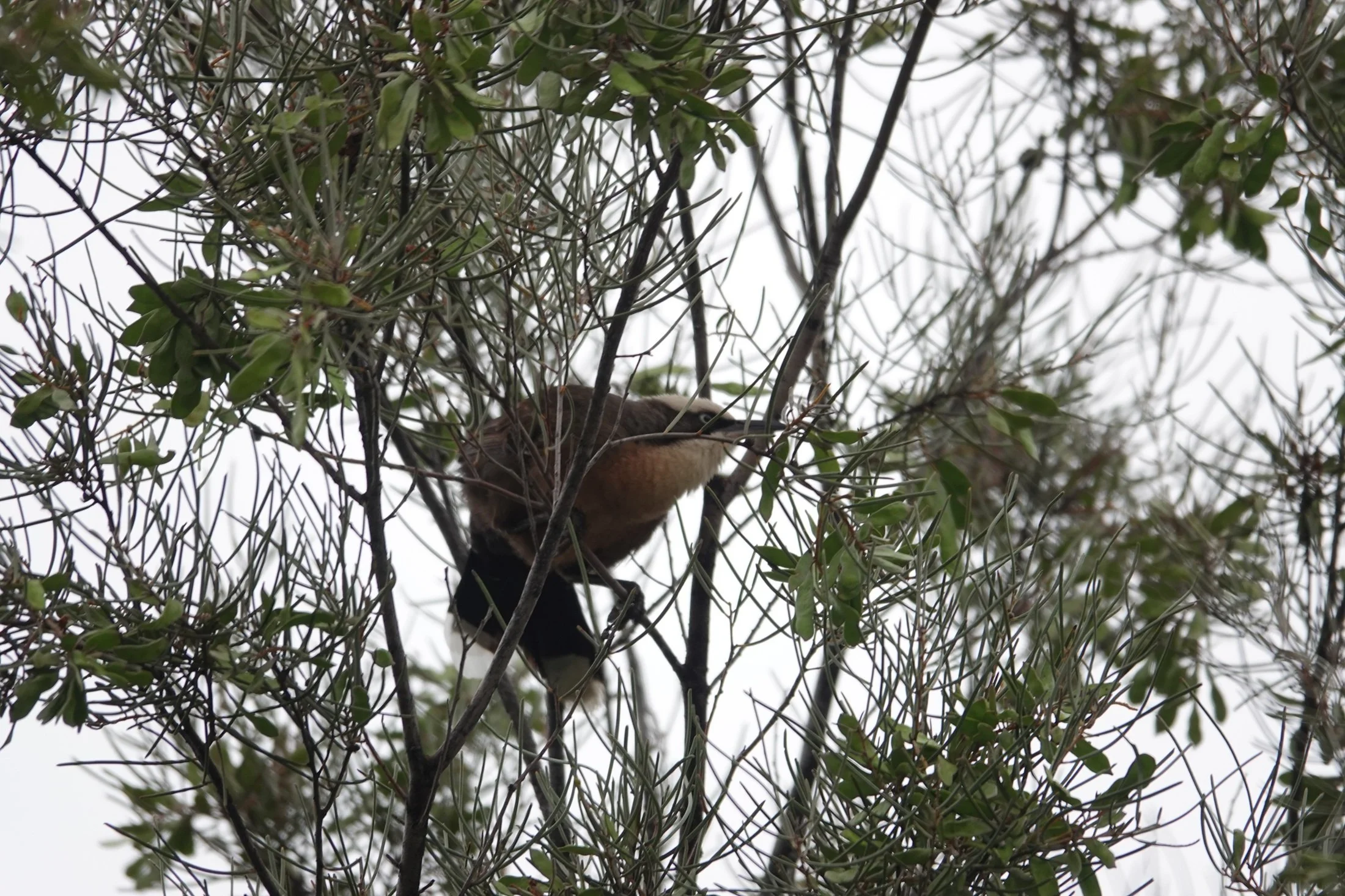
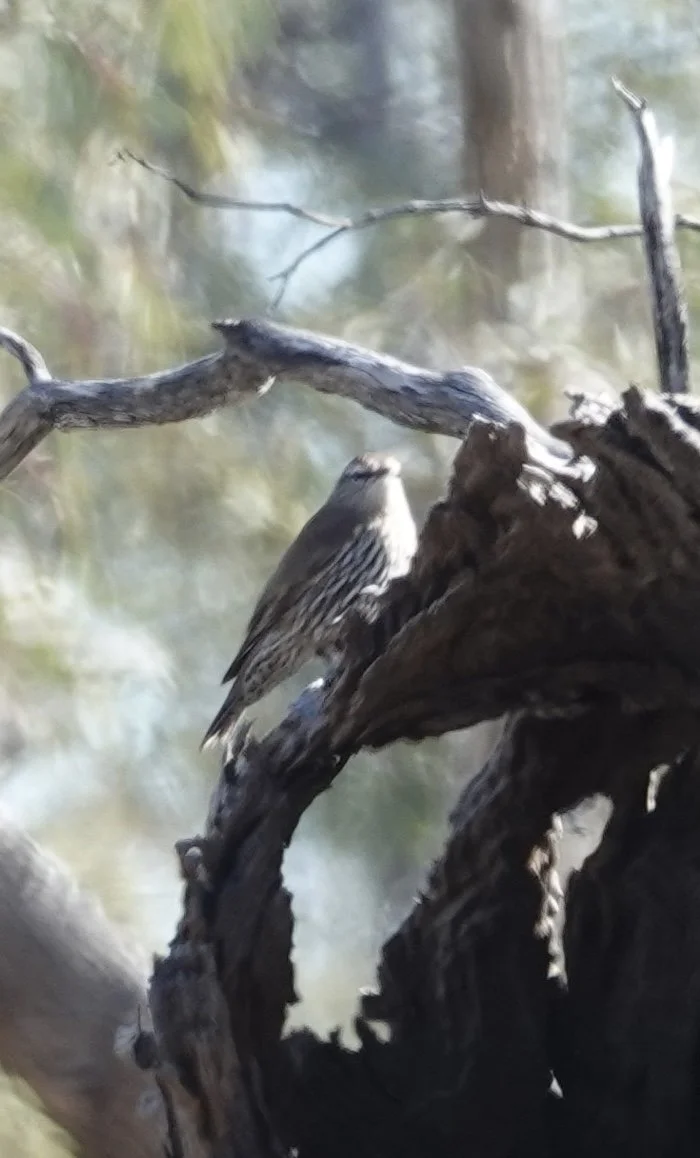
When Sarah of NT Bird Specialists was helping me plan NT, she specifically put in a few days here and there of rest. It was a wise choice. That’s what today was. I went early under overcast, misty skies to Olive Pink Botanical Garden. And I found the bird that apparently everyone sees when they go there. (I didn’t the first go around.) Gray-crowned babbler, (pictured). Also, lots of old friends. I went back to the hotel and slept a little. Then I went downtown and ran a few errands. A banh mi was lunch. (yum) Then I slept again.
I had a wonderful conversation with Dan from Rockjumper. We talked about 7000to70 planning for 2027 and beyond. I’m feeling pretty good about the schedule for next year. I will be seeing a lot of birds. And we laughed when I said PNG was a terrible place to bird. He said he warns all of his trips there at the very beginning that things won’t work as planned on PNG. And we shared flame bowerbird pictures. What a stunner.
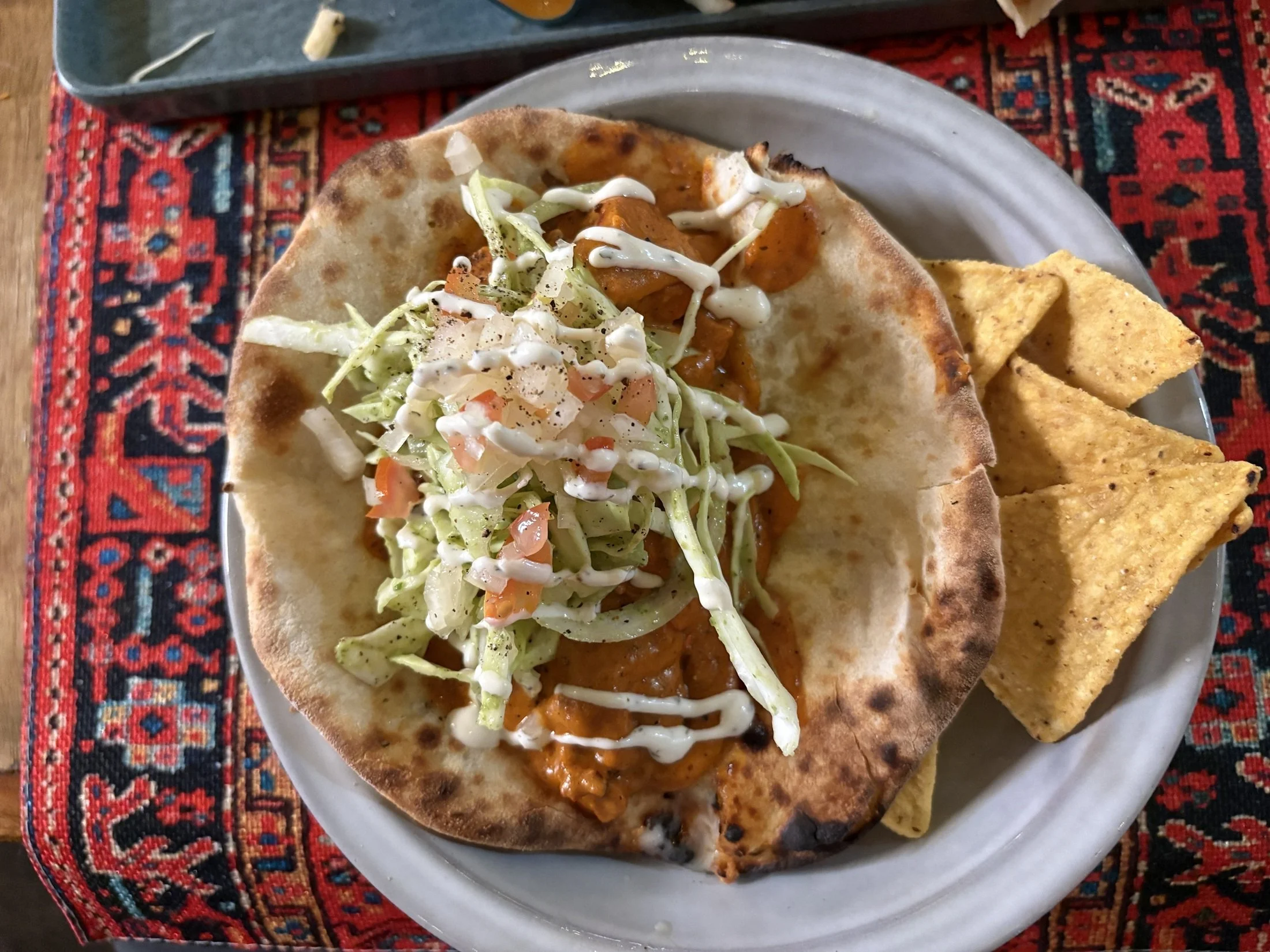
I went to a Tex-Mex/Indian spot, Grill Me Crazy, for supper. What a combo. I had Tex-Mex tacos and a butter chicken taco on fresh naan. I talked to the owners afterward. Apparently the spot was a Mexican place. They are Indian and the wife is a trained chef. They decided on a fusion restaurant. Glad they did, the tacos were super yummy.
10 species, 1 lifer
Birding the Through the Fence
August 22, 2026
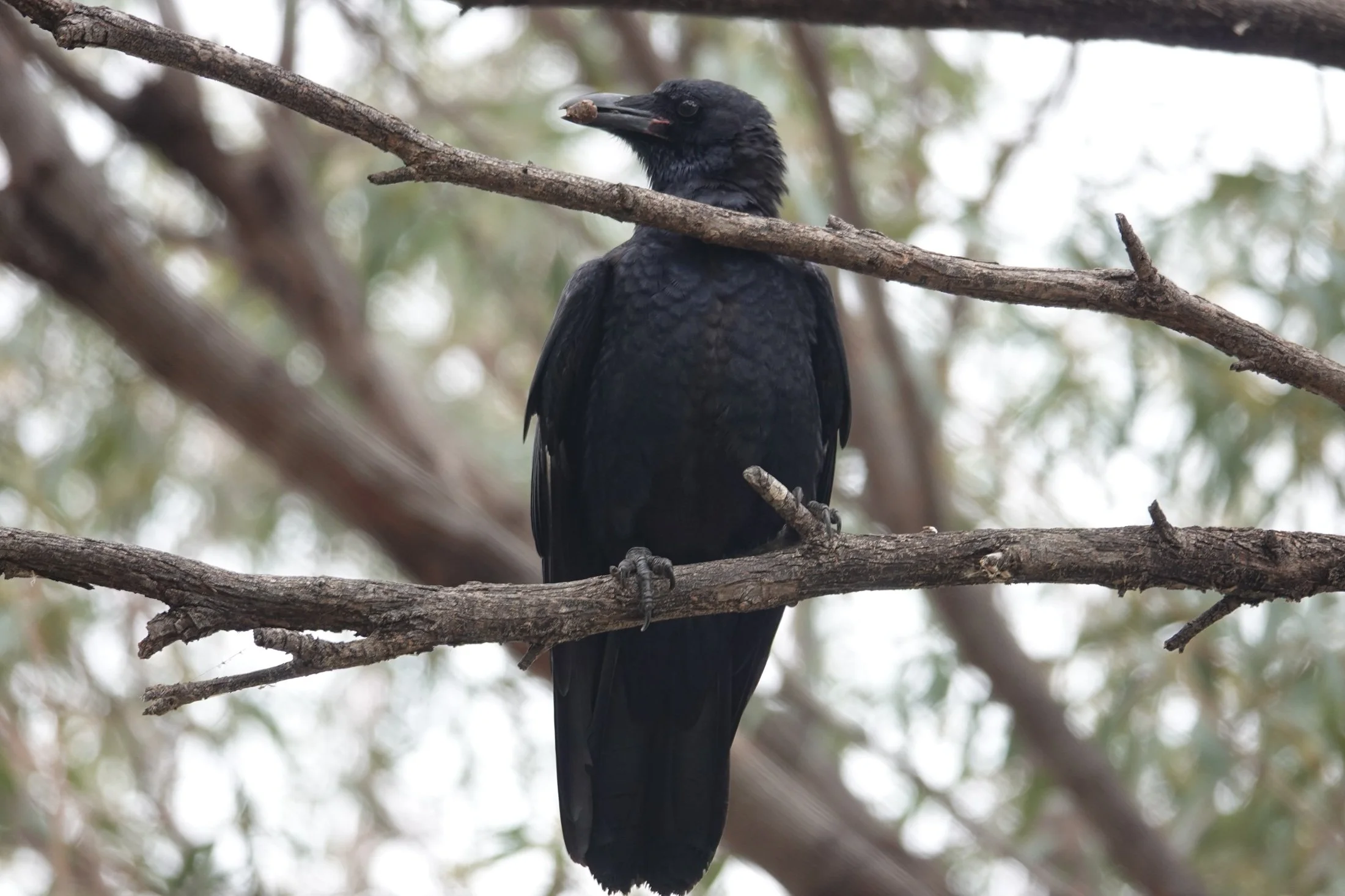
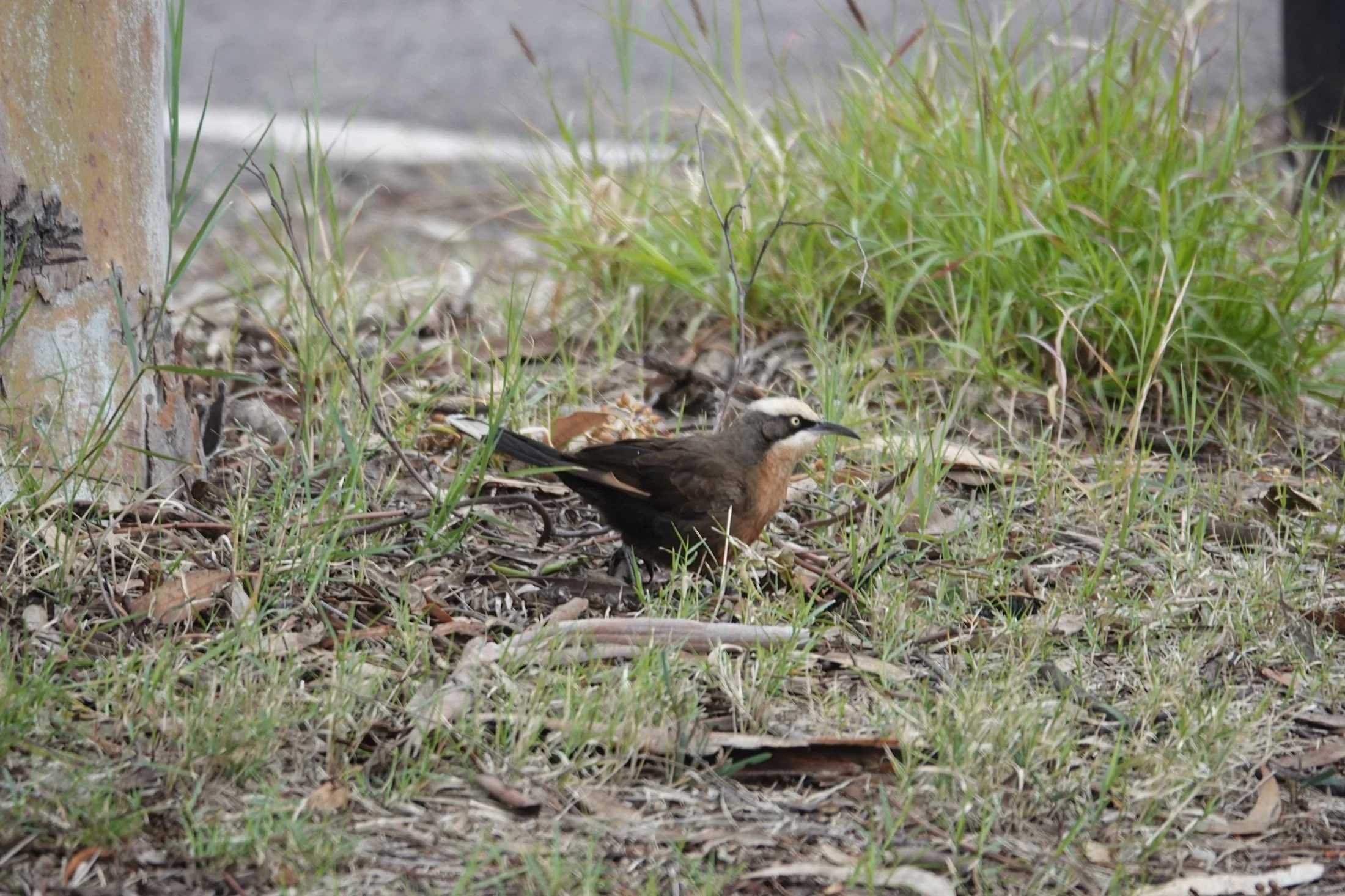
This morning I took a taxi to the sewage treatment ponds. For years they have been closed off to birders and yet there are eBird reports coming from there. I found out that yes indeed, it is closed to birders. I think what happens is that birders bird through the fence with scopes to pick up all the cool birds they do pick up. Me? I found a few birds. There were gray teal in the front pond. And in the far distant pond there were black swans. They were so big it was easy to pick them out. And along the fence line there were little crows, (pictured), that Luke and Jamie identified for me when I saw them later in the day. And on my way to the main road I saw my first Australian magpie with its thick bill.
I walked back to the hotel, about two miles. I was glad I did. I didn’t see many birds but I finally found some weebill. A tiny bird very aptly named. I also saw loads of gray-crowned babblers, (pictured), suddenly my new old friend after first discovering them yesterday. And I got a good picture of a galah, (pictured). They’re all over the place and they’re a really odd looking bird.
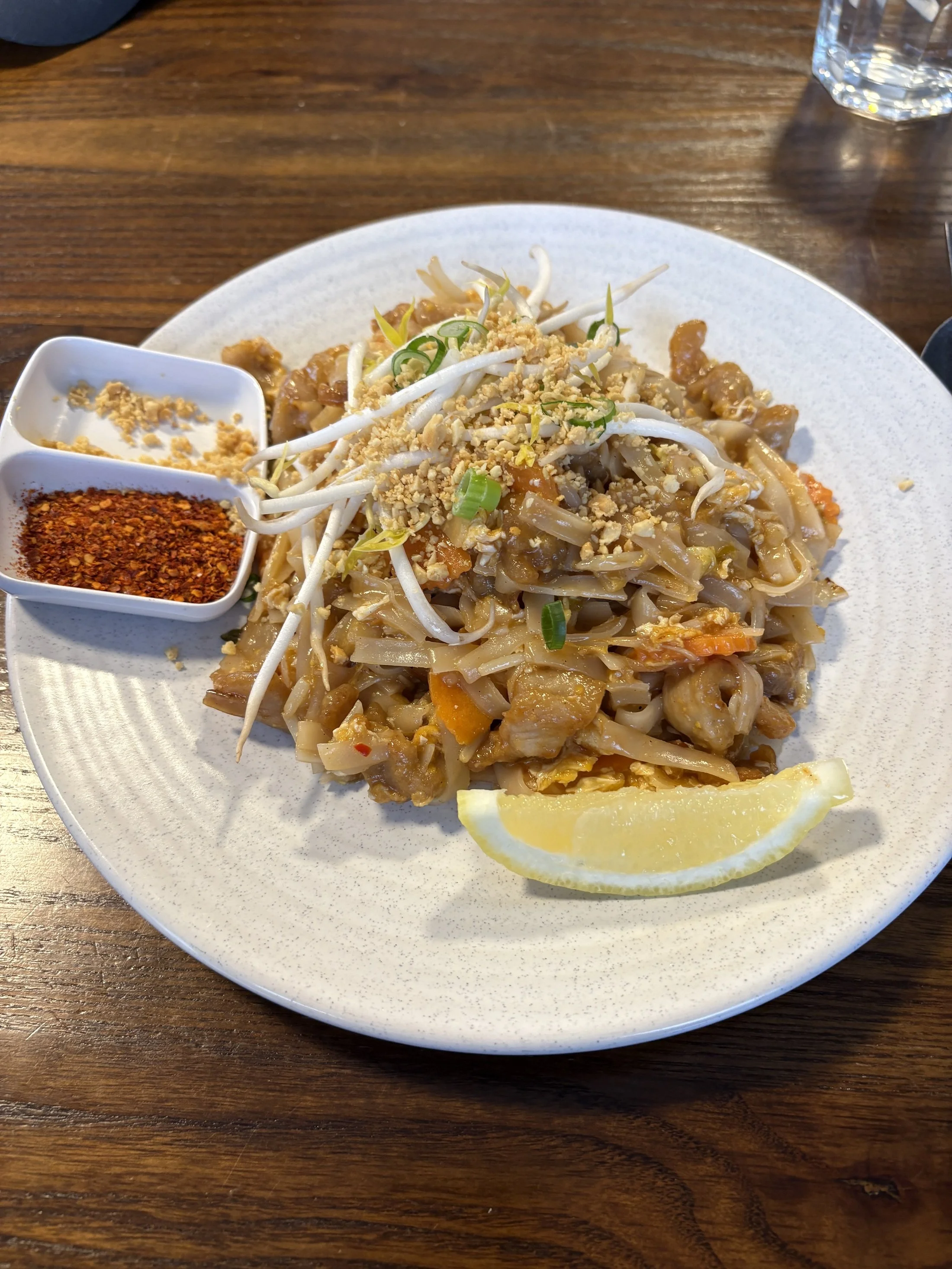
It was an overcast day and it had rained heavily overnight. Throughout the day the skies were threatening. I had just got done eating yummy pad thai from the Thai place and it started raining. I had my rain gear on, so I was completely dry. By the time I got back to the hotel it was pouring down.
I sat in the lobby and drowsily read for an hour or so. Patrick showed up and we taxied to the spot where the bird tour will be staged out of. After we checked in I went in search of a raptor nest a woman at registration told me about. I found two nests but both were empty. I have a feeling the birds might roost there at night.
The rooms we are staying in are really self-contained little cabins. They aren’t as fancy as the resort I was staying at but in many ways I like this set up a lot more.
We each got a breakfast package. It’s full of breakfast foods that are supposed to last us four breakfasts. Fair enough. I’m going to boil all of my eggs I think.
Before dinner we all met as a group. It’s Luke and Jamie and I think there are like 12 birders in the group. It will be interesting to see how the dynamics of a group this big work. Two women are from Malaysia and one is a lister like me. After we met, we went to dinner. I had pork ribs. They were good but overcooked.
27 species, 5 lifers
Spinifex
August 23, 2026
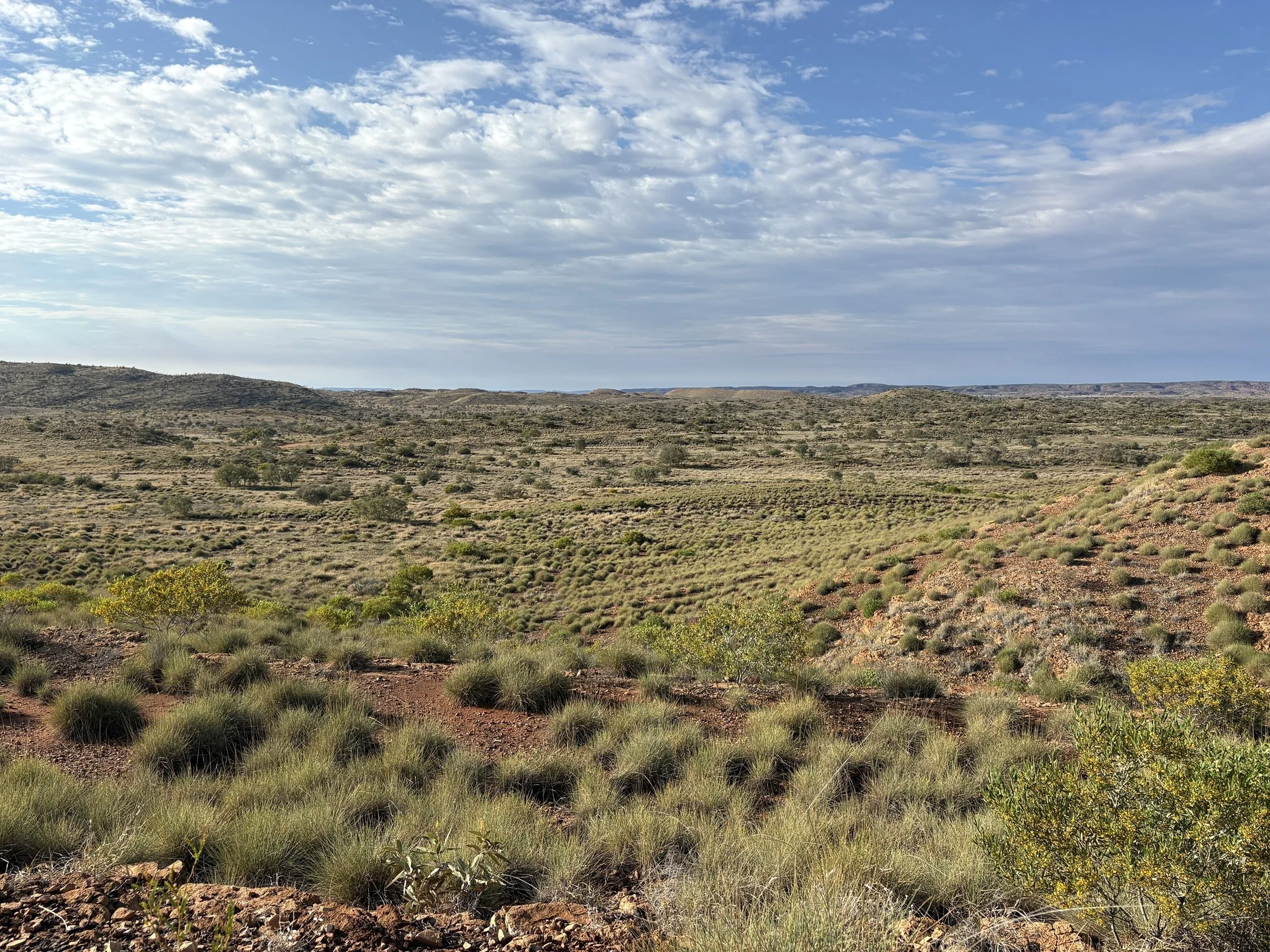
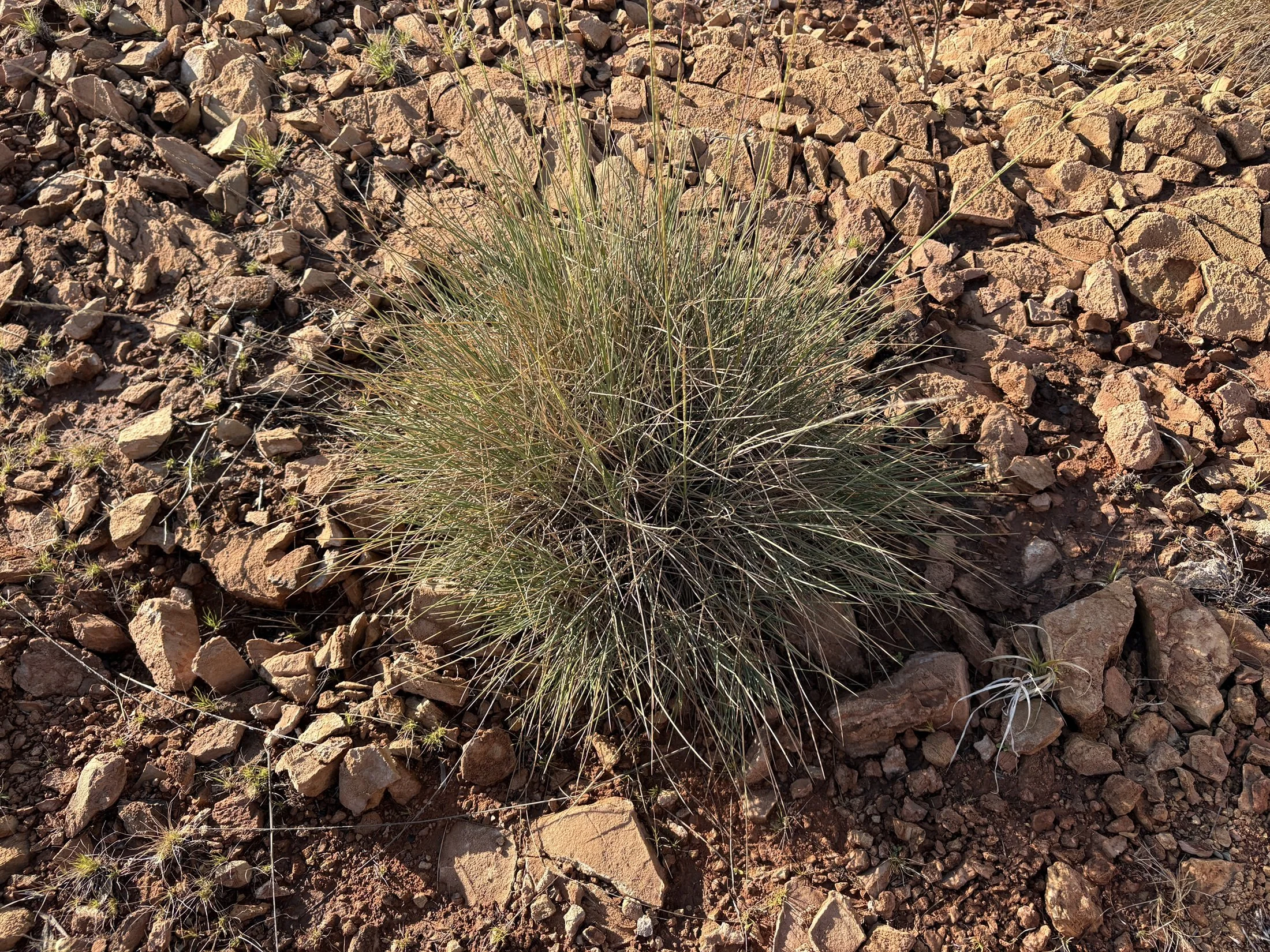
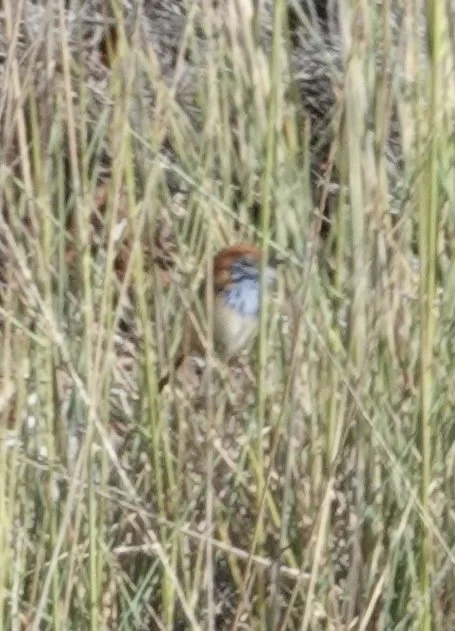
Spinifex is a spiky grass that grows in clumps in Australia. Years ago buffle grass was introduced to Australia to feed cattle. This invasive grass has put tremendous pressure on spinifex, a very important grass for some very interesting birds.
This morning the Red Center tour of NT Birding Specialists began. There are 12 people on this tour. I was a bit concerned about the size of the group. Luke and Jamie did an excellent job of making sure all of us got on the birds.
The first birds we saw were black-shouldered kites along the road we were driving on. We stopped at one point and saw southern whiteface and budgerigar, a tiny little parrot.
We parked up in an old quarry and the main event of the day began. We hiked out into the spinifex and yes indeed, it is very spiky. We were looking for three birds and soon we found one, a rufous-crowned emuwren, (pictured). This bird was so cooperative. Although my picture is only diagnostic at best it still shows how this ofttimes jumpy bird showed very well. What an absolute treat to see this very special bird. It is not on the 7000to70 masterlist because I never thought I’d see it.
The next bird we tracked down was a dusky grasswren. It took awhile, and though the views were good they were very brief.
On our way back to the vans we saw white-winged fairywren, brown songlark and rufous songlark.
After morning tea we started out towards lunch. And of course we stopped for birds. A pallid cuckoo was feeding by the edge of the road. We got a very brief view of a flyby white-winged triller. We stopped at an old structure made of metal that looked like an airplane. There was a big puddle by it and there were lots of fairy martins and zebra finches bathing. The martins were also collecting mud to build nests inside the metal structure.
Lunch was at Olive Pink Botanical Gardens. And it was as magical as ever. I didn’t see any new birds there but we got great views of many old friends.
We took a break in the middle of the day. Then we went to the Alice Springs Sewage Ponds. What a difference two scopes and two guides make. We saw hardhead, black-tailed nativehen, red-necked avocet, black-fronted dotterel and hoary-headed grebe. The afternoon ended with a swamp harrier flying low over the ponds. What a great way to end a really great day of birding.
We ate at the Tex-Mex/Indian fusion place. While there I went to Woolworth’s and got peanut butter. They gave us a loaf of bread but nothing to really put on it. I find it interesting that grocery stores here are Woolworth’s. I remember the five and dime in Kalispell where I’d buy stamps for my stamp collection. It was called Woolworth’s.
(Wow, it’s pouring rain now and there is lots of thunder.)
56 species, 18 lifers
The Red Center
August 24, 2026
This morning we headed out bright and early because we had quite a drive ahead of us. Luke and Jamie decided to bird south of Alice Springs because the rainy weather was going to be in and around Alice Springs. It turned out to be a very wise decision because we were dumped on as we neared Alice Springs on our way home.
The birding started slow but became progressively better as the morning wore on. At a toilet break we saw western gerygone.
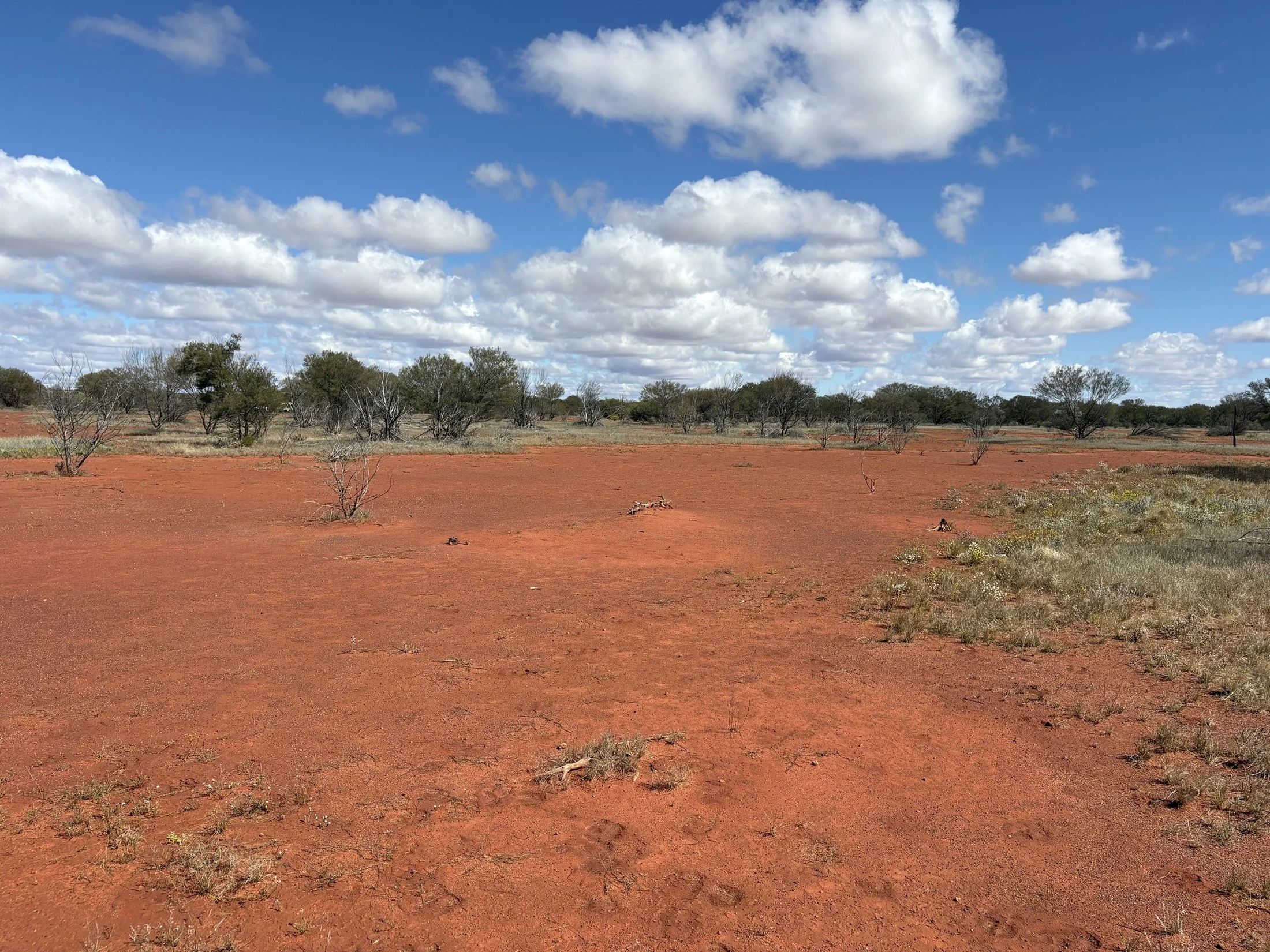
We stopped at one place along the highway and walked up a dune. It was sand but it was red sand. The area we birded is known as the red center and rightfully so. There is so much iron in the soil that it is red. Iron is one of the big exports of this region. I found one pebble that was magnetic. It stuck to the magnet on the bottom of my flashlight.
Meanwhile, back to the dune. After we climbed it, we got good views of varied sittella. They remind me so much of nuthatches. They loved to hang out on the trunk of trees.
We also got a special treat in that a mulga parrot flew in and around us. What a gorgeous bird.
We eventually turned down a dirt road that was graded. But because of the recent rains it had a little mud and a few mud puddles. In the field by one mud puddle we saw two Bourke’s parrots. Brownish birds with touches of red, they really blended in with the red of the area. We got good views of them before they flew off. Then we went searching for them only to discover they had circled around and were sitting in a tree above the mud puddle. We flushed them when we got back to the vans. I can see it now. They probably went to the puddle and got a drink of water and bathed and were sunning themselves as these crazy birders went all over creation trying to find them. That’s birding.
We also got great views of a group of chiming wedgebills. They were in amongst some bushes but with a little patience we saw them.
We also saw crimson chat and red-capped robin. And at one point a little eagle was soaring above us, a snake in its talons.
After a delicious Sarah field lunch. we drove up the road a bit and two chestnut-rumped thornbill graced us with their presence and even appeared on the road Tiny and cute are the best way to describe them. And after some waiting and coaxing we got views of a cinnamon quail-thrush. What a skulker and what a great way to end a good day of birding the red center.
Don’t have checklists from Luke. They will be along shortly. When I get them I will posted stats. I kept a running list of what I think are lifers. I think I got 12. A very productive day.
44 species, 13 lifers
West MacDonnell Range
August 25, 2026
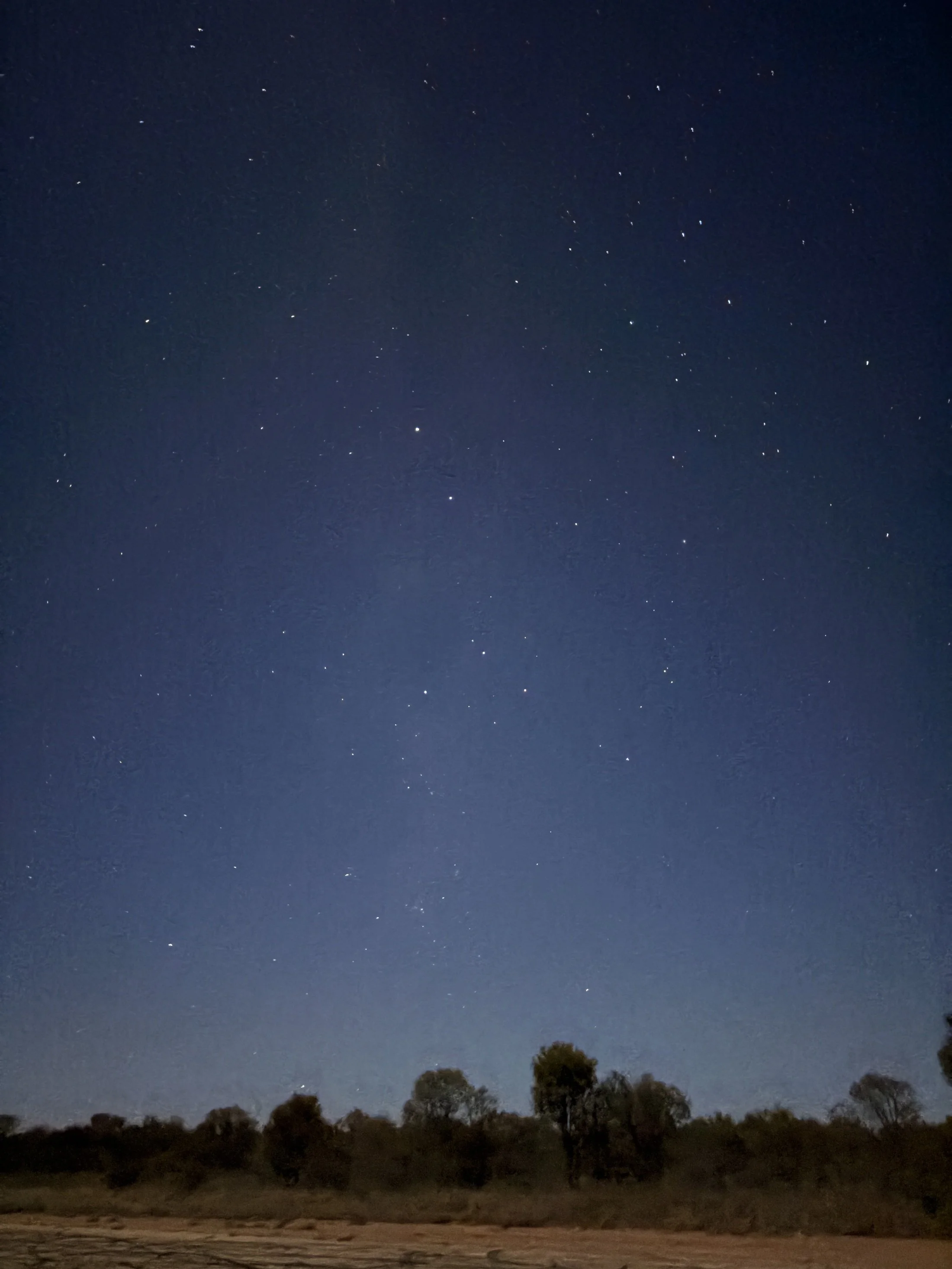
When you see the Southern Cross for the first time,
You understand now why you came this way.
Southern Cross – Crosby, Stills, Nash & Young
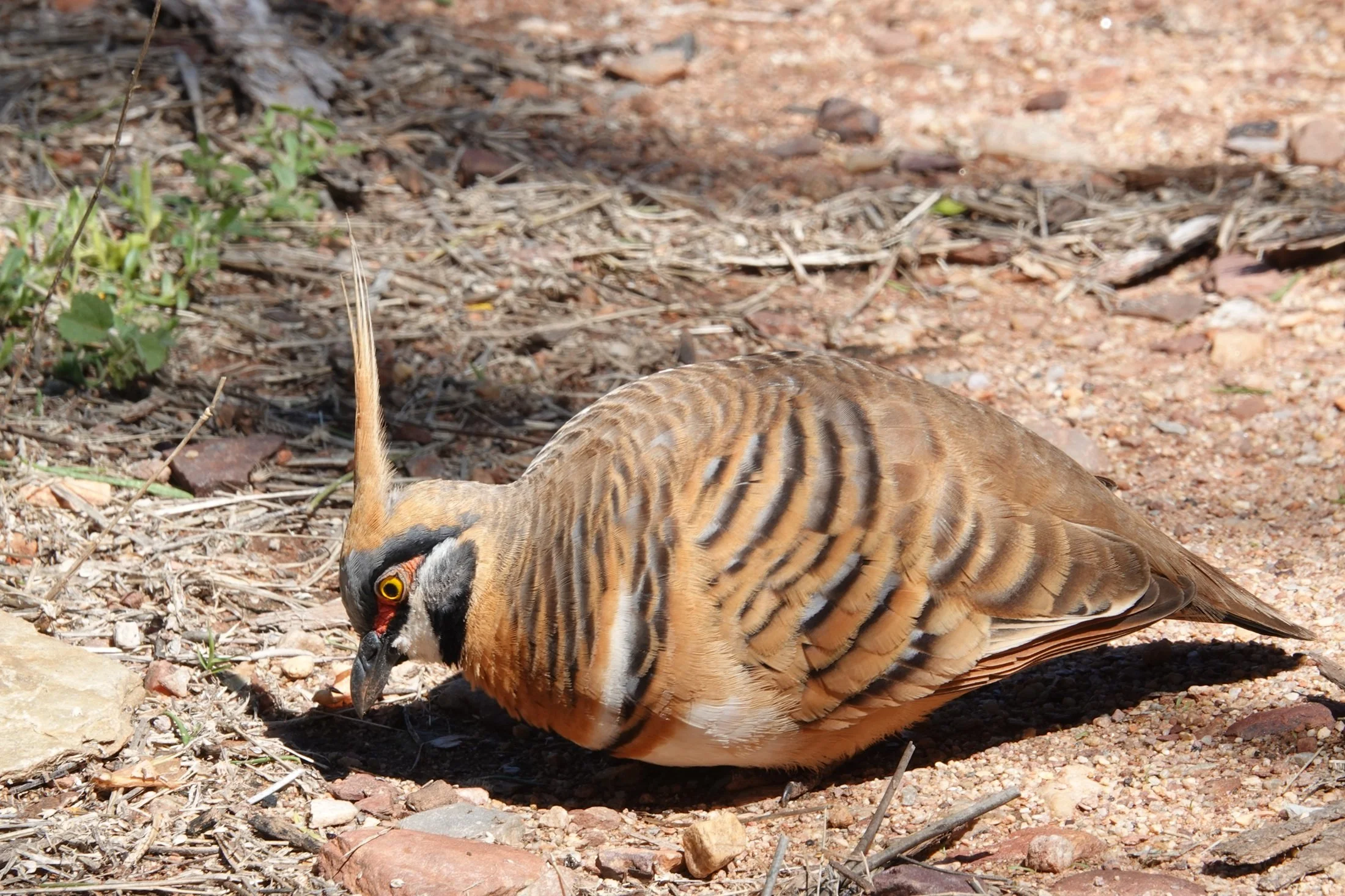
Today we headed out into the West MacDonnell Range. Wow is about all I can say. Gorgeous mountains with lots of open spaces. Reminded so much of west Texas. As we drove along, we soon saw a pink cockatoo. What a beauty especially when it flares its crest that’s colors remind me of candy corn.
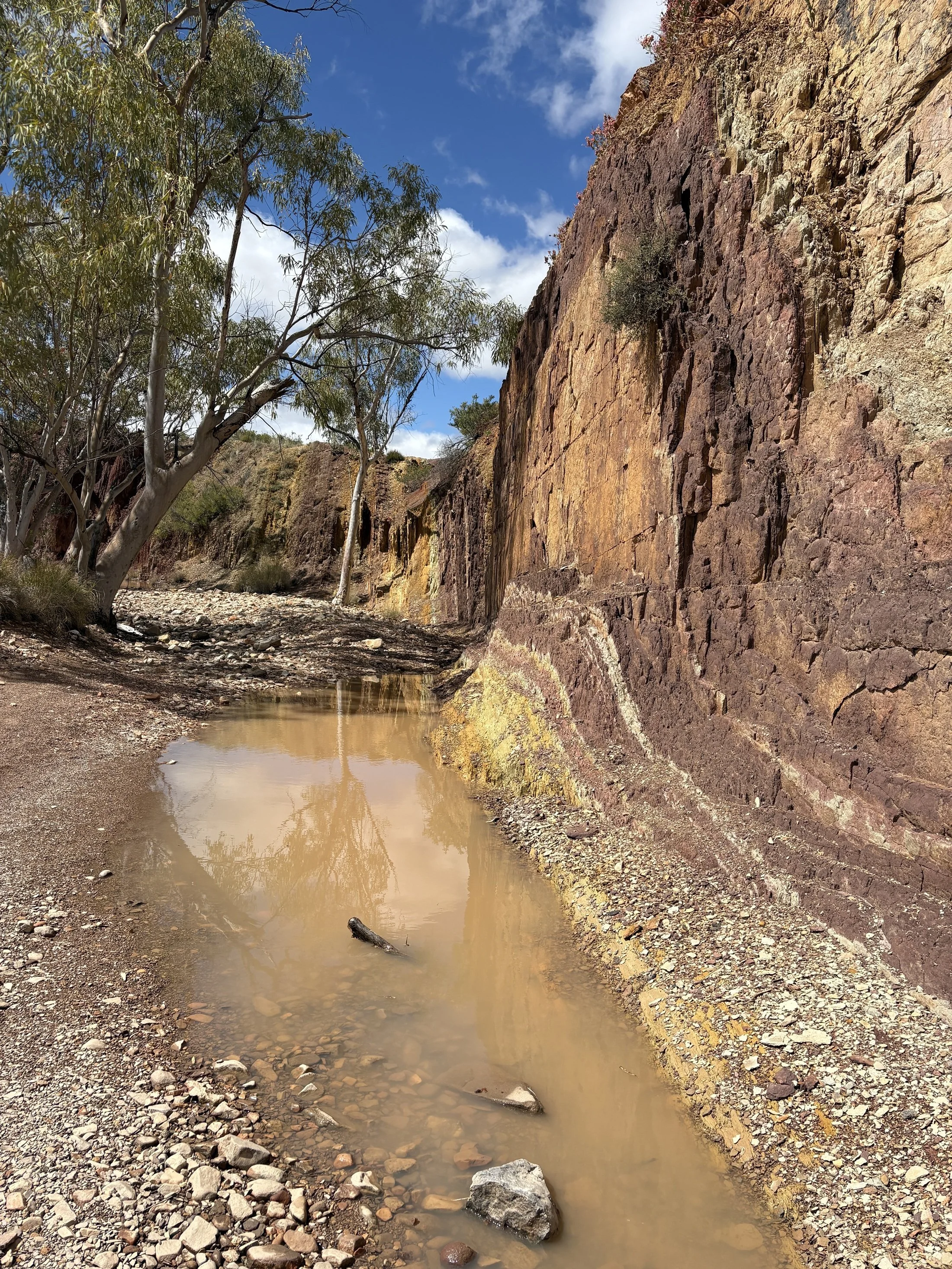
At one of the stops we made we spotted a spotted harrier soaring over us. That was at the ochre pits, (pictured). For many centuries ochre was taken from these pits by aboriginal peoples. Fascinating and very beautiful spot.
Another lifer for me today was the gray shrikethrush. A pretty nondescript bird but still beautiful in its own way.
Along with these three birds we saw many other old friends. I got great photos of pied butcherbird and spinifex pigeon. The pigeons were all over the place where we stopped for lunch. You had to be careful not to step on them.
It was a gloriously bright day and I have to wonder if that contributed to the sort of quiet birding. Or maybe the past two days have been so action packed that a day just slightly less busy felt slow. Or it might be, and this is probably the biggest piece of it, that I’ve birded Northern Territory for 13 days now and I have 147 lifers. So there will be lots and lots of old friends. That brings up one more point. I wasn’t quite sure how to put together a best estimate of birds I’d see here in Northern Territory. I estimated new lifers would come in at 143. I’ve already exceeded that number so in reality anything more will just add to the 7000to70 total and in some ways erase the PNG deficit. (The fact that I’ve already picked up 26 PNG missed birds certainly helps with the NT total.) One more thing before I close. The crew I’m birding with is a load of fun. We joke a lot about how I need to learn to speak Australian and they need to learn to speak American. After birding so hard in the other spots I birded what a tonic NT is turning out to be.
A postscript of sorts. We just got back from quite the adventure. After supper a group of us went owling. Jamie heard a call and Luke called in an eastern barn owl. We got great views of it. On the way home I was spot lighting the trees and found a second eastern barn owl. Wow. And this is why we bird.
While we were out owling they made it a point of showing me the Southern Cross. Wow and double wow.
48 species, 4 lifers
Detoured
August 26, 2026
This morning we were headed down a road and had to come to a screeching halt because road construction closed the road ahead. Luke came to our van with the news and you could tell that he was working to figure out an alternative gameplan on the fly.
What we ended up doing was just birding the road just in front of where the road construction closed the road. Actually, there was a track near the sparce forest that we used to bird. And it became a pretty good morning.
Two black-shouldered kites were sitting on a snag by the road and didn’t seem the least bit concerned that we were there.
Four cockatiel flew by early on. The surprise birds of the morning were three Bourke’s parrots. They are old friends from the other day but today they circled several times and gave us good views on several occasions. There were many other old friends we saw including a load of zebra finches that were near a nest. Some were popping in and out of the nest hole.
I had a big nap on the way to lunch at Desert Park. I had a yummy BLAT. (Yup, with avocado.) Then we went back to our rooms and chilled for about an hour.
Then we went down the road. Luke and Jamie were hunting for specific habitat. They found it and we were rewarded with astounding views of one of the most elusive NT birds, a white-browed treecreeper,(pictured). What a treat to see this very seldom seen bird.
Then we went back to the quarry we parked in the other day. Immediately outside the quarry in the beautifully blooming spinifex we saw two spinifexbirds. They were the third spinifexbird we didn’t see the other day. Another very special bird.
We also saw gray-headed honeyeaters and we were all thrilled. But they were actually old friends for me. They are the go to honeyeaters in Kings Canyon. I saw several of them there while vising Uluru.
So all in, yes we had to detour and change plans but what wonderful birds that detour gave us. I’m really sleepy tonight. Tomorrow this tour ends. Then I’ll be headed back to Darwin. I’ll post pictures and get hyperlinks for all the birds when I get there. I’m going to look at my NT targets now and see what is left and send that to Luke for the two days I will be birding with one of his guides in Darwin and for the 11 day tour I will be on after that. Already this is becoming a much more productive trip than I had anticipated.
44 species, 3 lifers
Back Turned
August 27, 2026
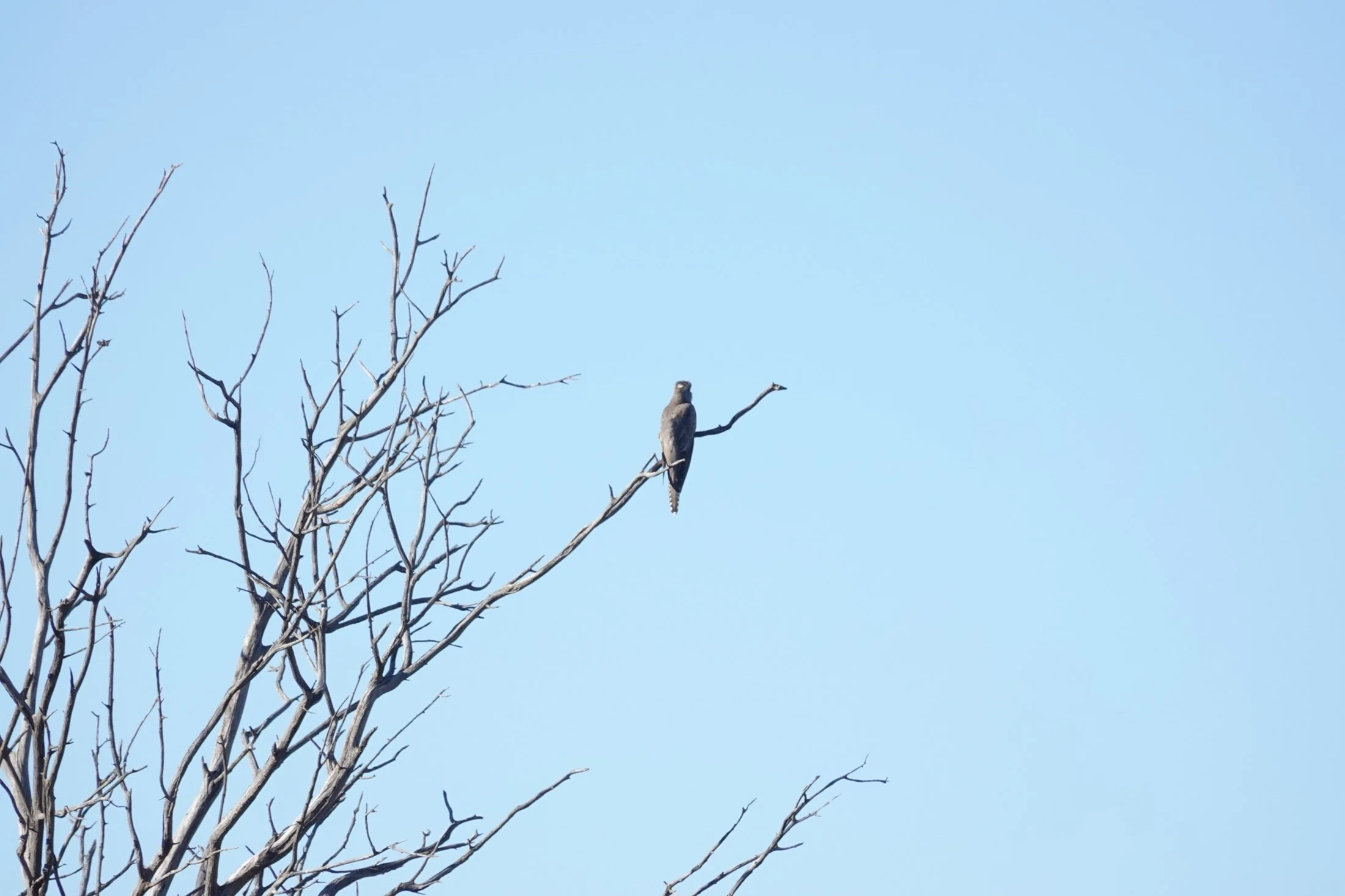
This morning we birded in the spot we had wanted to yesterday but the road was closed. The road was open after a fashion and we made our way. It was a crystal clear day and the birding was good but there were nothing but old friends. I got a great recording of a pallid cuckoo, (pictured), and a good picture of it with its back turned. In some ways that beautiful bird is symbolic of today because today this wonderful, fun tour ended. I’m currently at the airport in Alice Springs after another yummy lunch at Olive Pink and good-byes to all the other participants. We had a lot of fun. I’ll bird in Darwin with one of Luke’s guides and then I’ll begin the top end tour which will go for 10 days.
The blue skies and the ample water and food have disbursed the birds. I think that’s one of the big reasons why none of the target species were founs today.
Back to Darwin!
42 species, 0 lifers
Mangrove Robin Joy
August 28, 2026
The trip to Darwin last night was a nonevent. And I slept pretty good too.
This morning I went to Aunties Darwin for a toastie. Yum. Along the way I heard and recorded a brown honeyeater. An old friend.
Harn of NT Bird Specialists picked me up at the hotel as well as Ray and Edna from New Jersey. The first spot we birded was the pipeline approach to the sewer works and its surrounds. What a birdy spot. Before was all was said and done, we had 54 species and red-winged parrot was amongst them, a lifer I should have gotten long ago but somehow it evaded my notice until this morning.
There was one more bird we saw there that was pretty special. It took some chasing but we eventually found a mangrove gerygone. A very cool little bird.
We moved on to Lee Point for morning tea. (I absolutely love the idea of a tea break midmorning.) While at the tea spot we saw 22 species of birds including sooty oystercatchers.
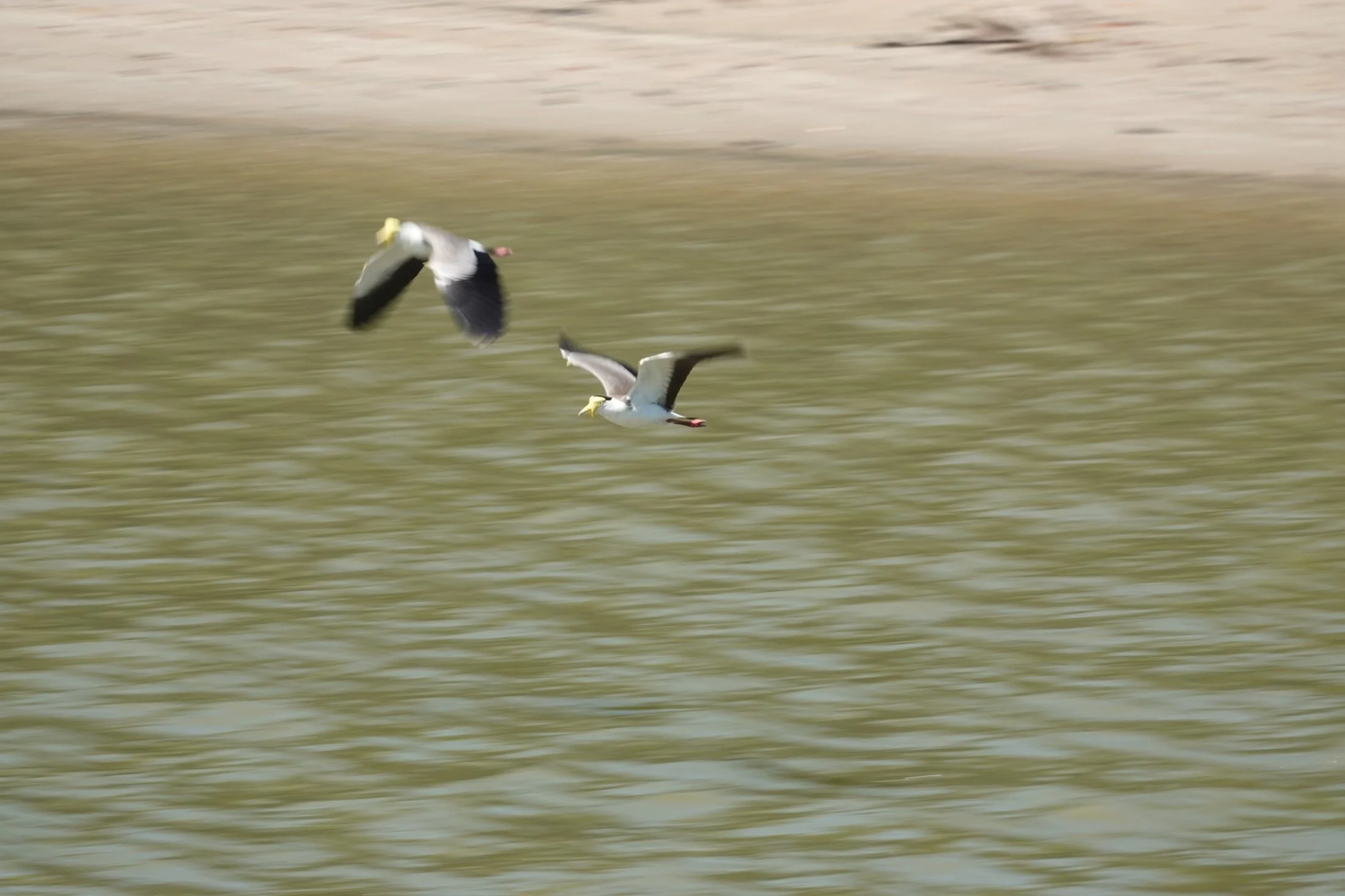
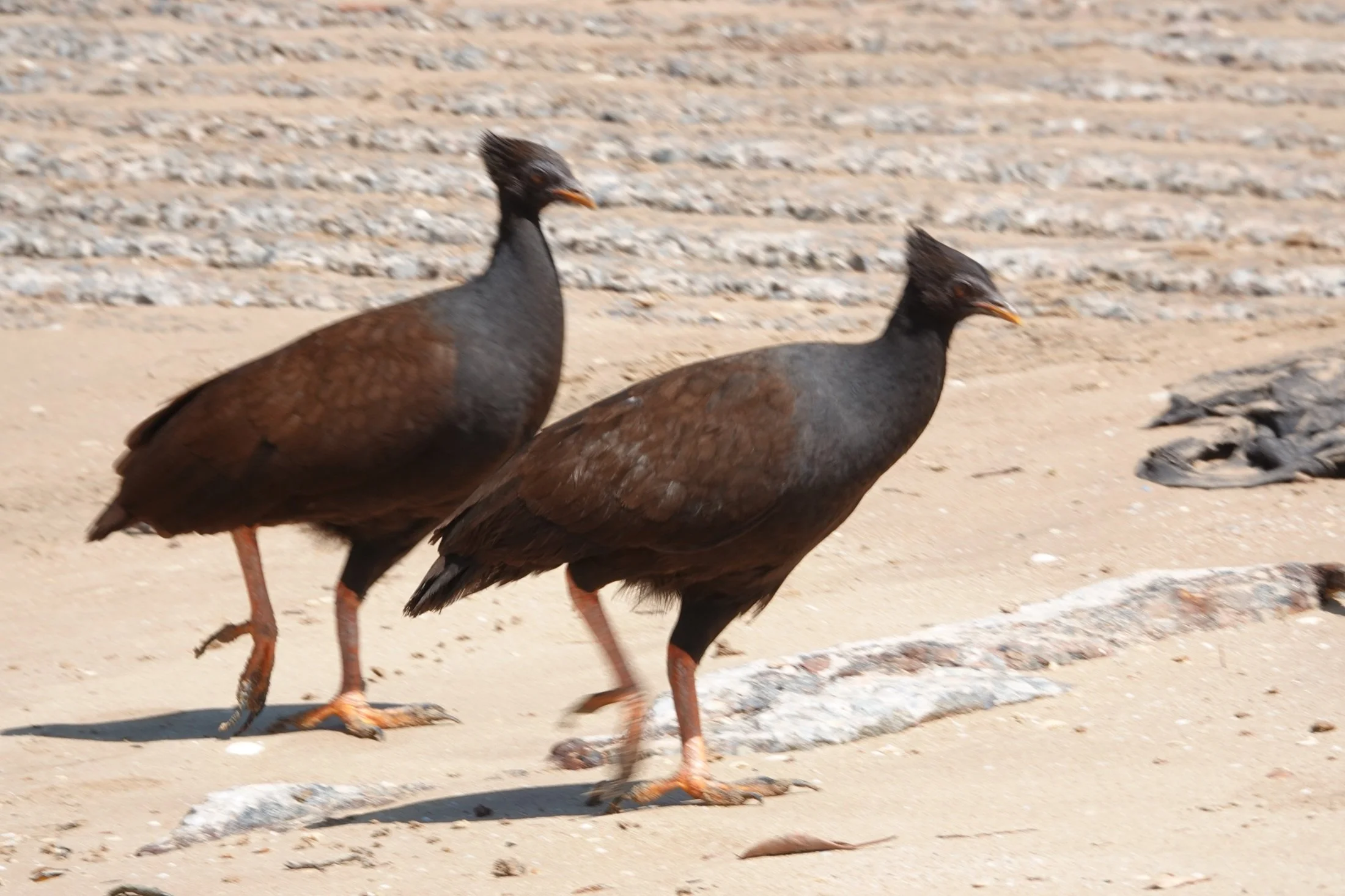
We went to Buffalo Creek after Lee Point and that stop did not disappoint. We had many old friends like orange-footed megapode, (pictured), and masked lapwing, (pictured). But there was also pied oystercatcher and that is called a lifer.
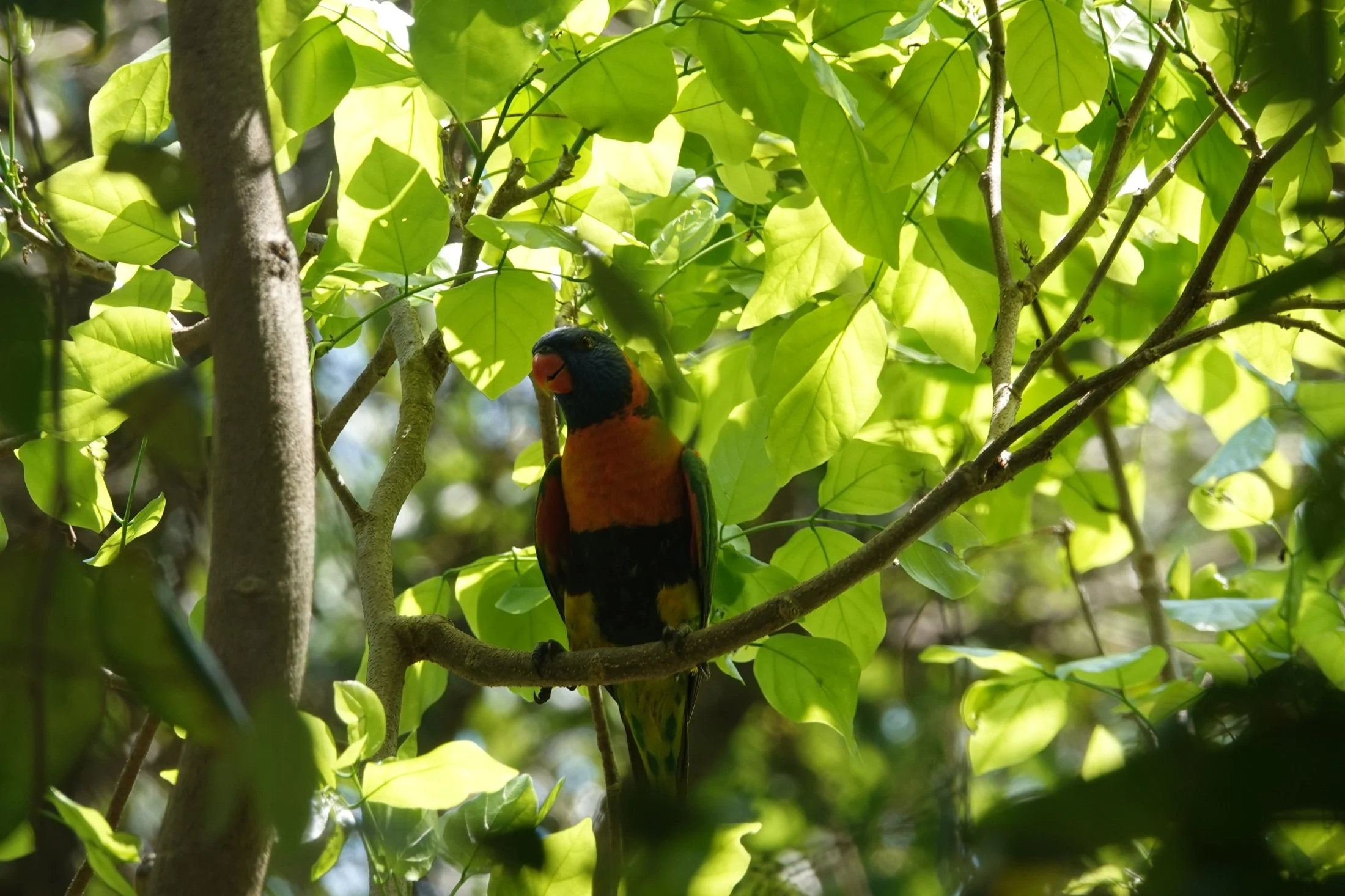
Next stop was a spot called the Moth Block. No lifers at this spot but amongst the 22 species we did see was a rainbow pitta. I’m so glad Ray and Edna got to see this bird because it is so beautiful. I got a good recording of it too. And red-collared lorikeet, (pictured), were very cooperative as well.
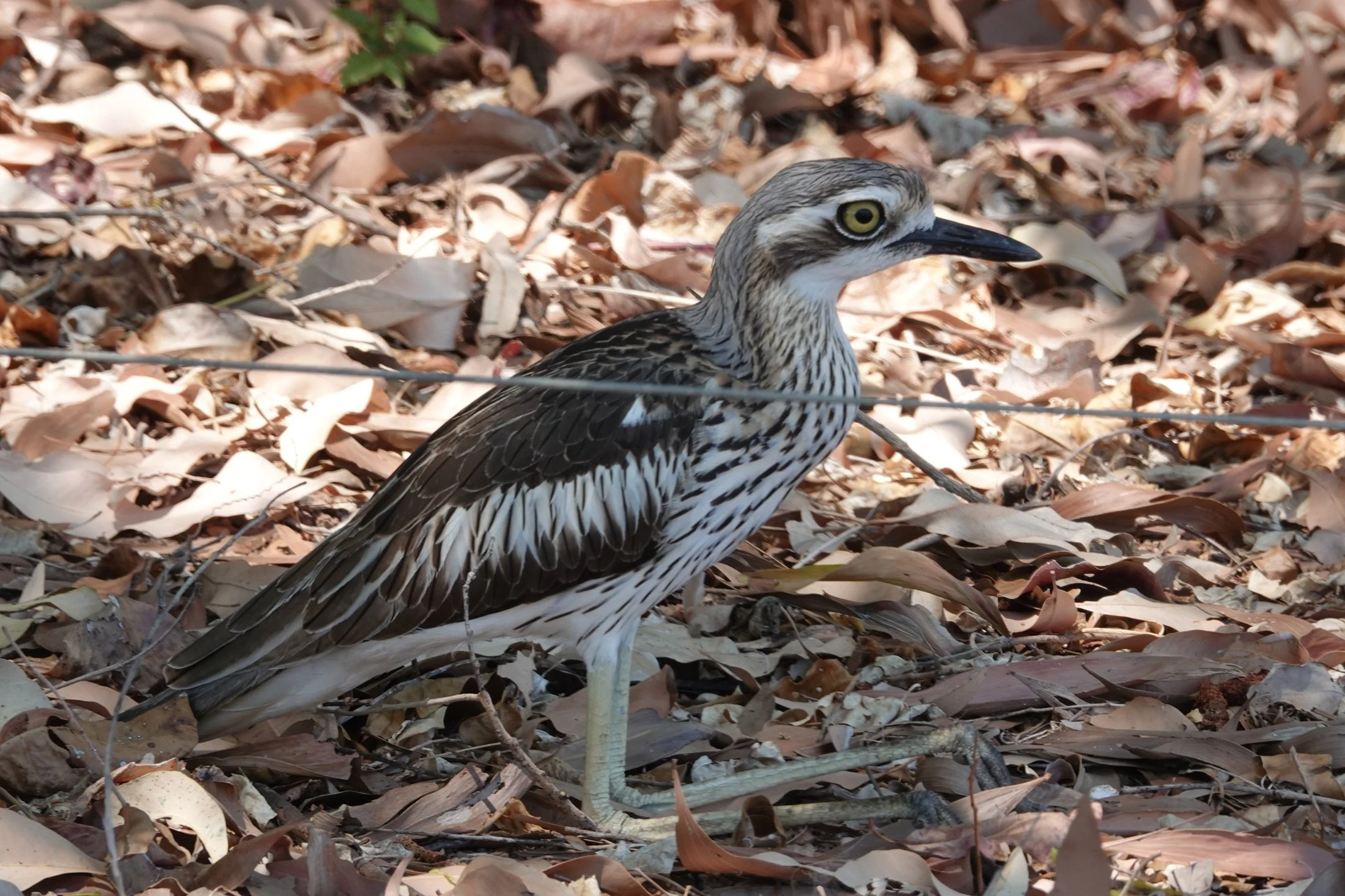
We then did basically a rolling stop to see bush thick-knee, (pictured). That was my very first Darwin bird so long, long ago when I first arrived in NT, (the doorman at the hotel late, late at night).
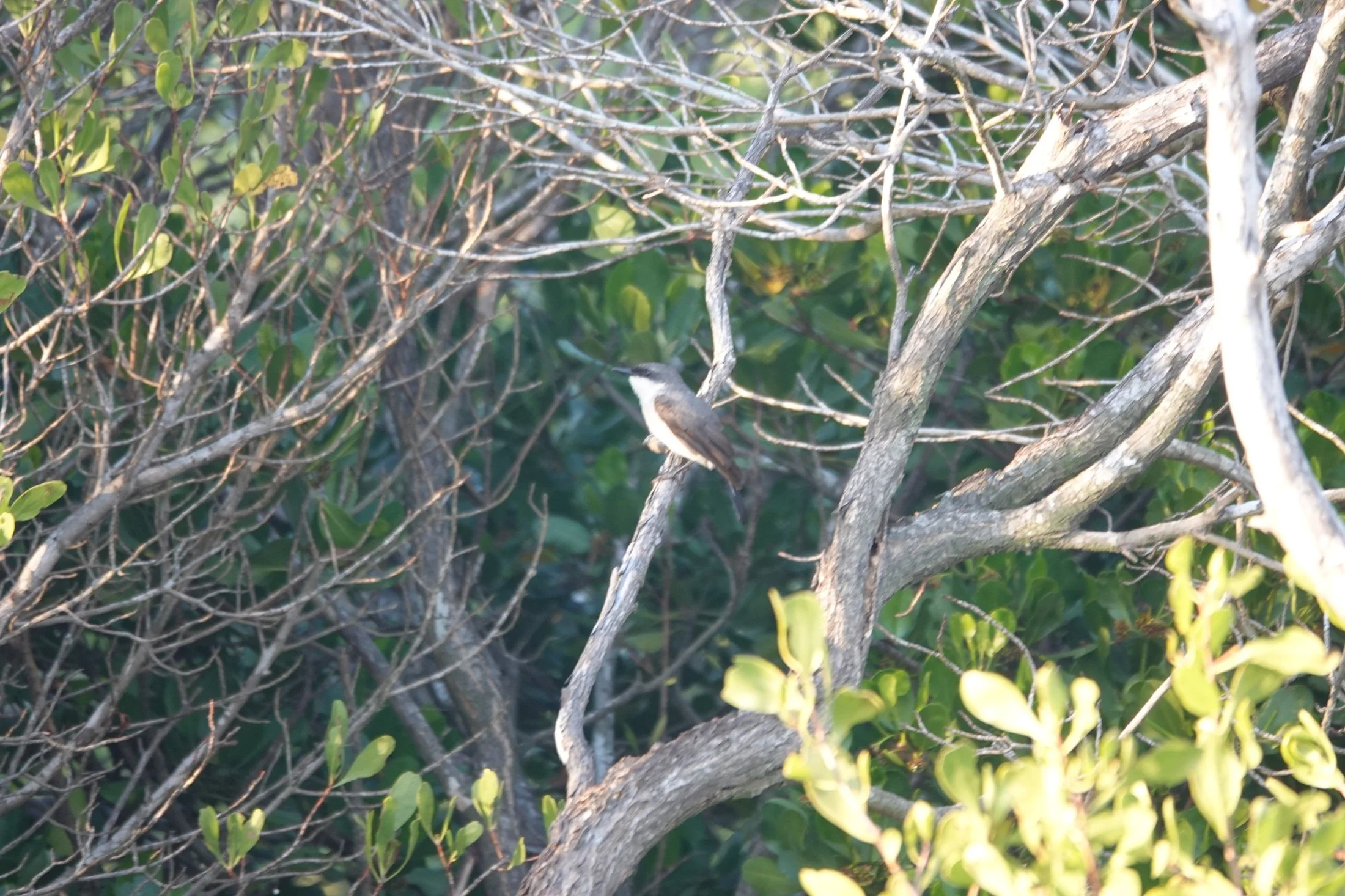
Our last stop of the day was by far the best stop. It was the East Point Mangrove Boardwalk. I’d gone there with Luke before the Red Center tour and we saw the gorgeous black-tailed whistler but we dipped on the mangrove robin. Harn had us walking back and forth on the boardwalk listening for the call of the mangrove robin. We finally heard one that seemed close. So we stayed at the spot we’d last heard it and waited. And we waited. And we waited. (This is what birders do, weird huh?) Finally, Harn detected movement and eventually we got to see a mangrove robin!!! (pictured). The picture is diagnostic at best but we got to see a mangrove robin!!! Yippee!! This bird reminds me so much of the spruce grouse we found in Alaska. Of all the Alaskan birds we saw, (and we saw lots of really cool Alaskan birds), the spruce grouse was for some reason the one bird I really wanted to see and was afraid I wouldn’t.
The mangrove robin occupied the same space in NT for me. After the dip last week, I was afraid I wouldn’t see it and then I got to see it.
And this is why we bird.
76 species, 5 lifers
Silver-backed Butcherbird and Laksa
August 29, 2026
This morning’s birding adventure started on the shoreline. It was a very high tide and that drove the shorebirds closer to the shore. They were much easier to see. There were many old friends amongst them, but we also saw Siberian sand-plover, greater sand-plover and a Terek sandpiper. We went to two other shoreline spots. They yielded more shorebirds, all of them old friends.
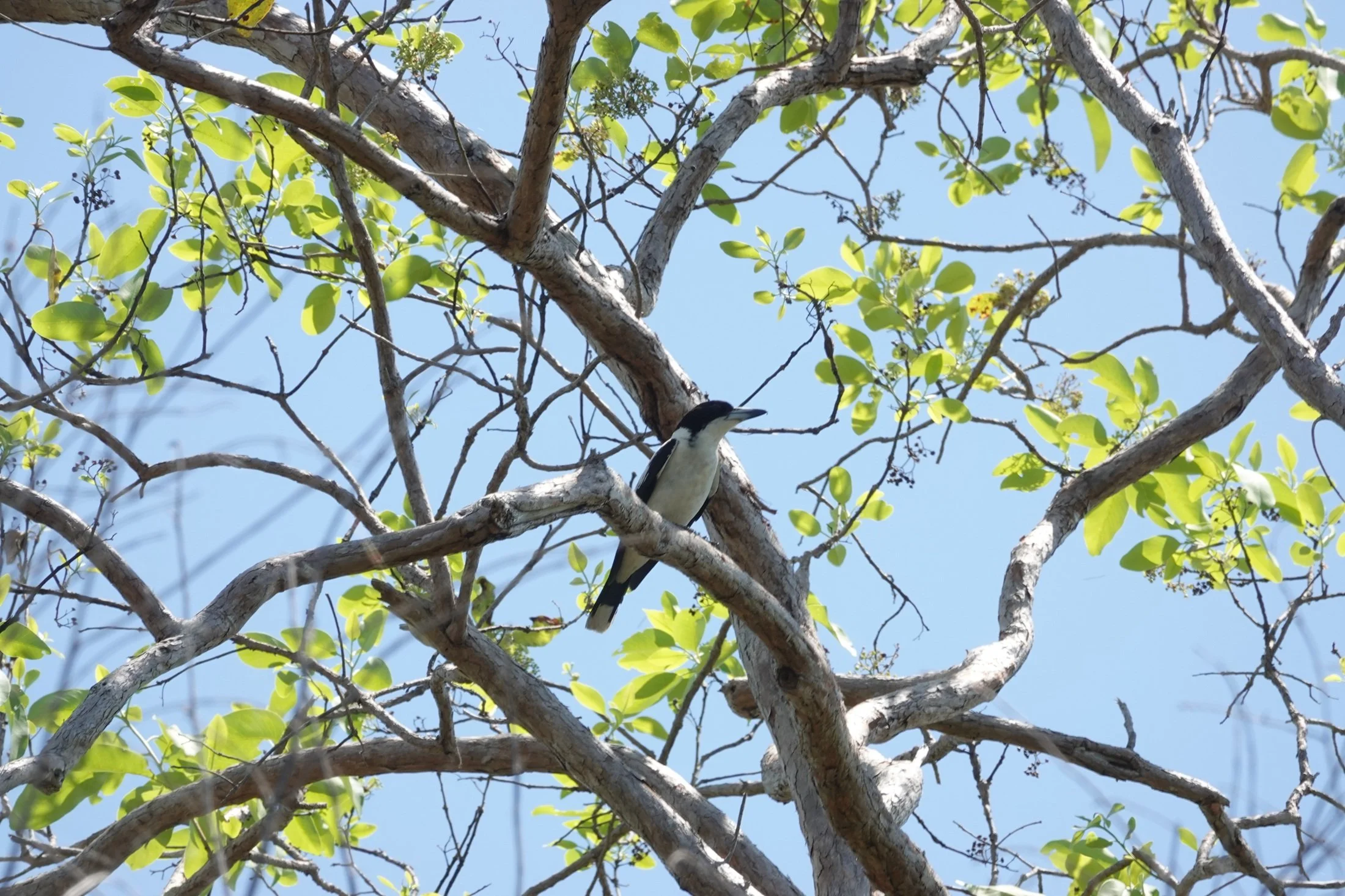
After morning tea, we went to three lagoons. In two of them were many old friends. In fact, one of them Luke and I went to on one of the first days I was here. The third lagoon was very special. It was in a city park like setting and Harn was looking for one specific bird. He and I saw a bird fly up into a tree and then we saw it in the tree at the same time. A silver-backed butcherbird, (pictured). The bird we were looking for. All of us followed this bird and eventually we discovered a nest with one of the birds on it. The other bird eventually came out and we got wonderful views. What a wonderful bird to end two days of great birding with. But our trip wasn’t quite over.
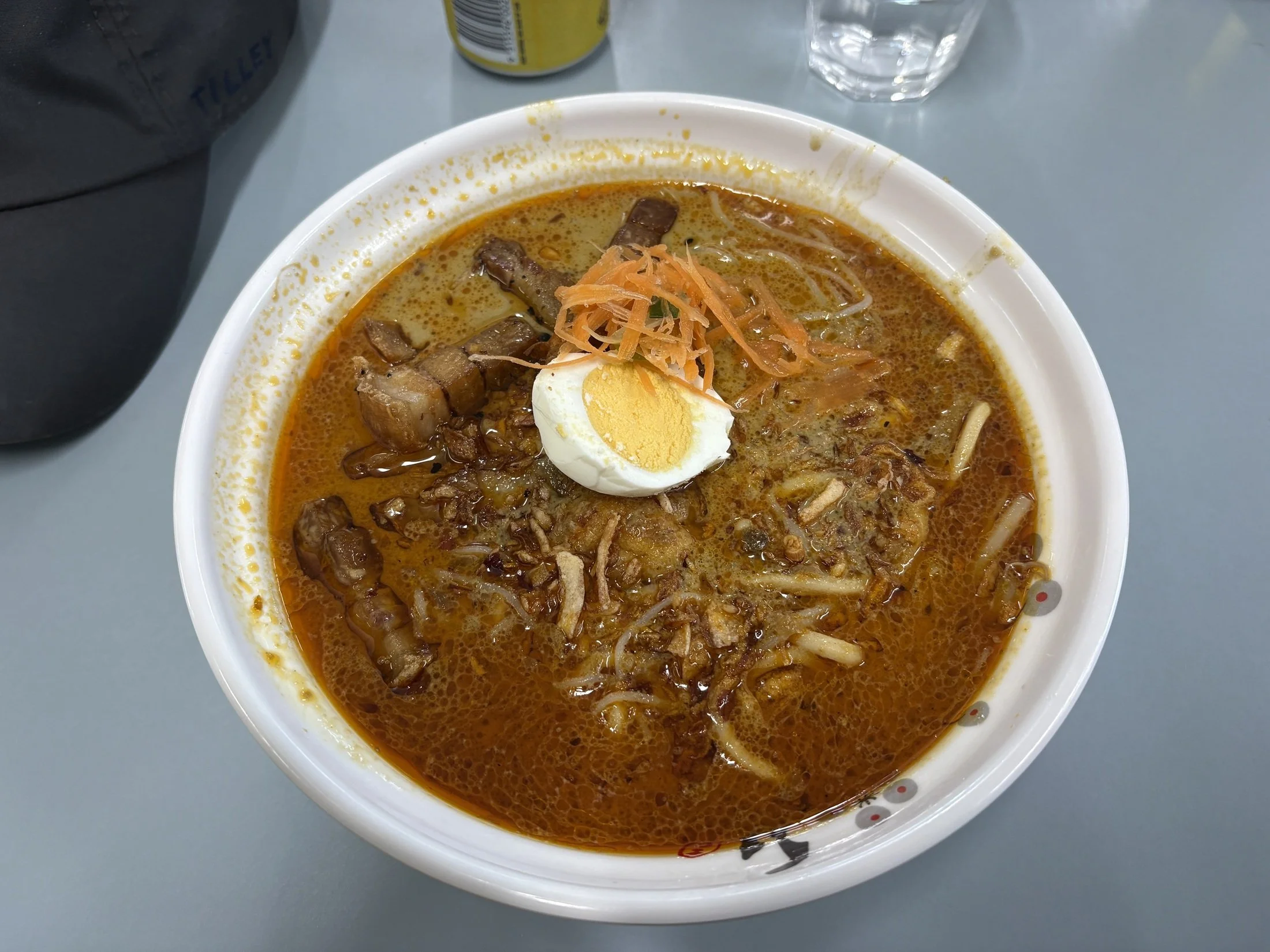
Harn is from Malaysia and for the past two days he has told us many times about laksa and how yummy it is. We found the silver-backed butcherbird and a few more really great old friends, but we had enough time to go to Harn’s favorite laksa restaurant. He was right. Laksa is amazing. I had pork. The broth has lots of coconut milk in it and that makes it have a richness. There were two kinds of noodles. The pork was crunchy and tasty. There was a bit of spiciness to it but it was spectacular. Now that’s the way to end a great birding day.
73 species, 4 lifers
A small milestone today, 2,400 lifers.
Frogmouths
August 30, 2026
This morning the Top End tour kicked off. Ray and Edna from the past two days and Ping Ling and Ju Lin from the Red Center tour as well as Simon from South Africa are all on the tour. All are a load of fun and are really good birders. It should be a good trip.
We started the tour with birding of sites in and around Darwin. Virtually all of the spots I had birded at least once and in a couple instances I’d birded them three times. That meant lots of old friends. But this late in any tour lots of old friends are almost an expectation, if the trip has been a good one.
All of this said I still managed some lifers. The first was a lesser crested tern Luke spotted in amongst the other turns flying at our first stop. Its orange bill really stands out among the other terns we were seeing.
One of our next stops was at Salt Flat. Right away Luke found a black butcherbird. Aptly named, this was a lifer for me.
There were mangroves in the area and that’s where Luke pointed us. And that’s when something amazing happened. Right away Luke found a mangrove gerygone. And not three minutes later Ju Lin found a mangrove robin…in the same bush! These are two birds it took literally hours to find when we were birding with Harn. And the mangrove robin,(pictured), showed well that I got a decent picture. Certainly better than the diagnostic one of the other day.
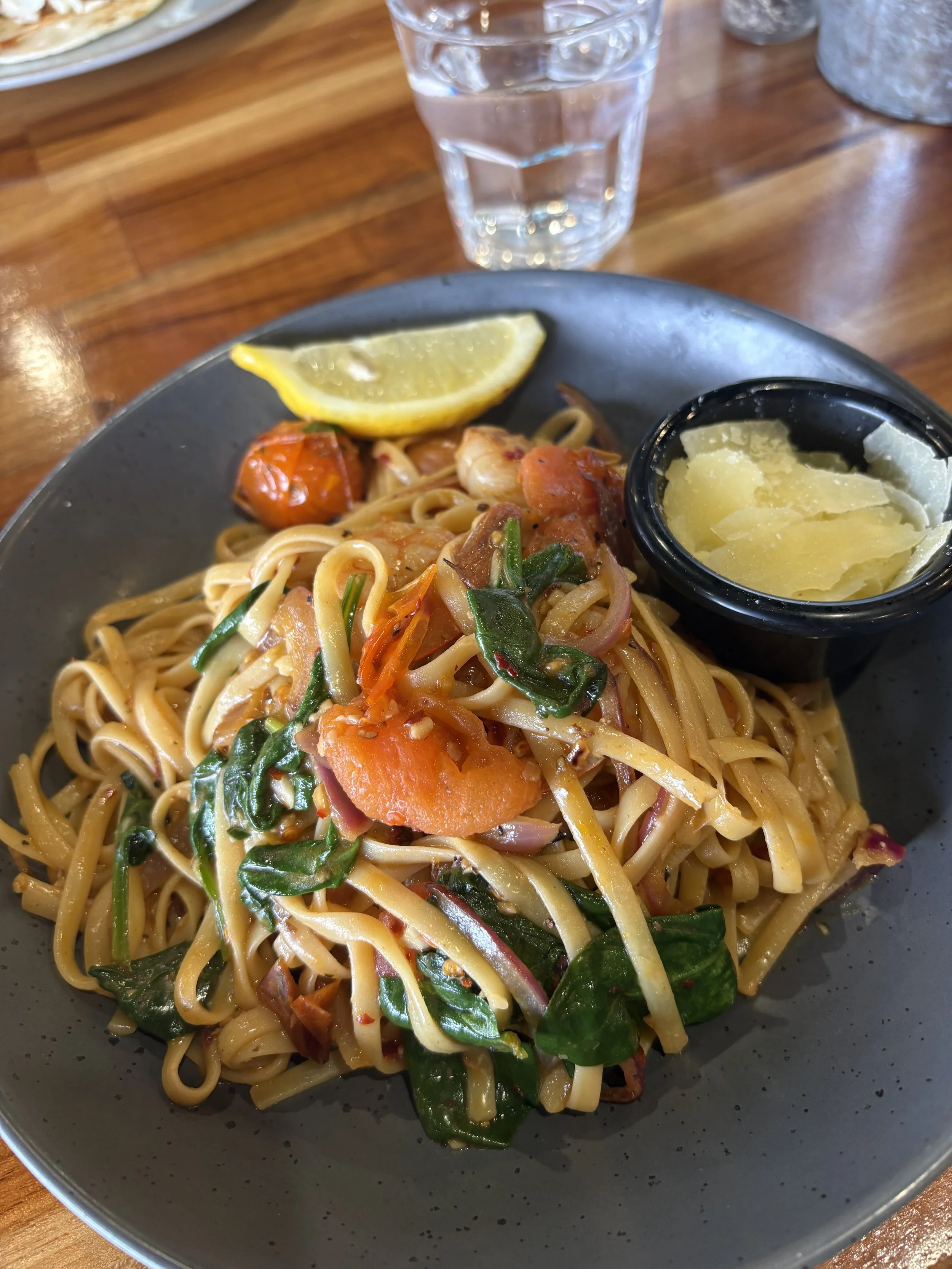
For lunch I asked the waitress to bring me lunch. She brough seafood linguini. It was yummy.
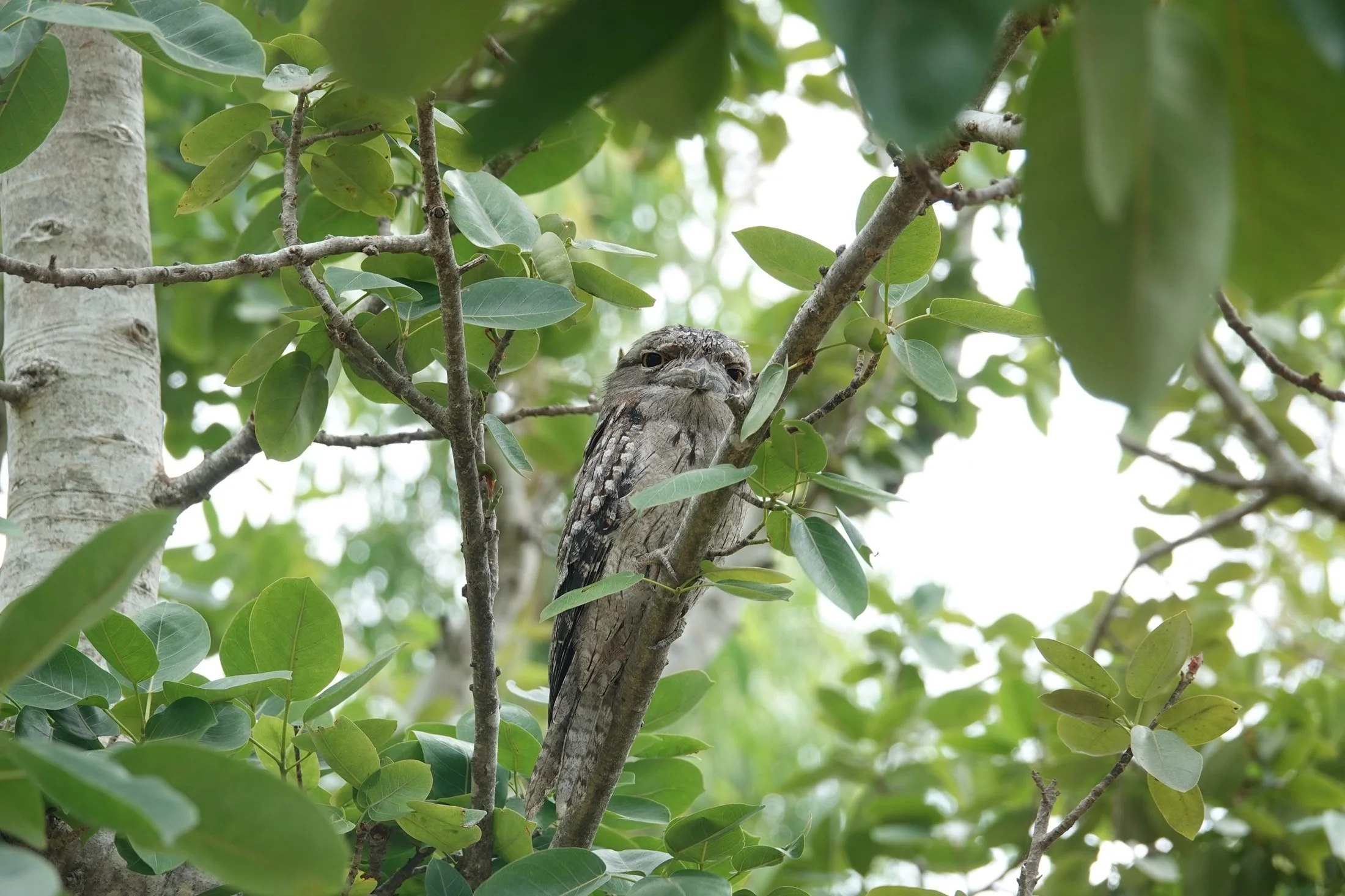
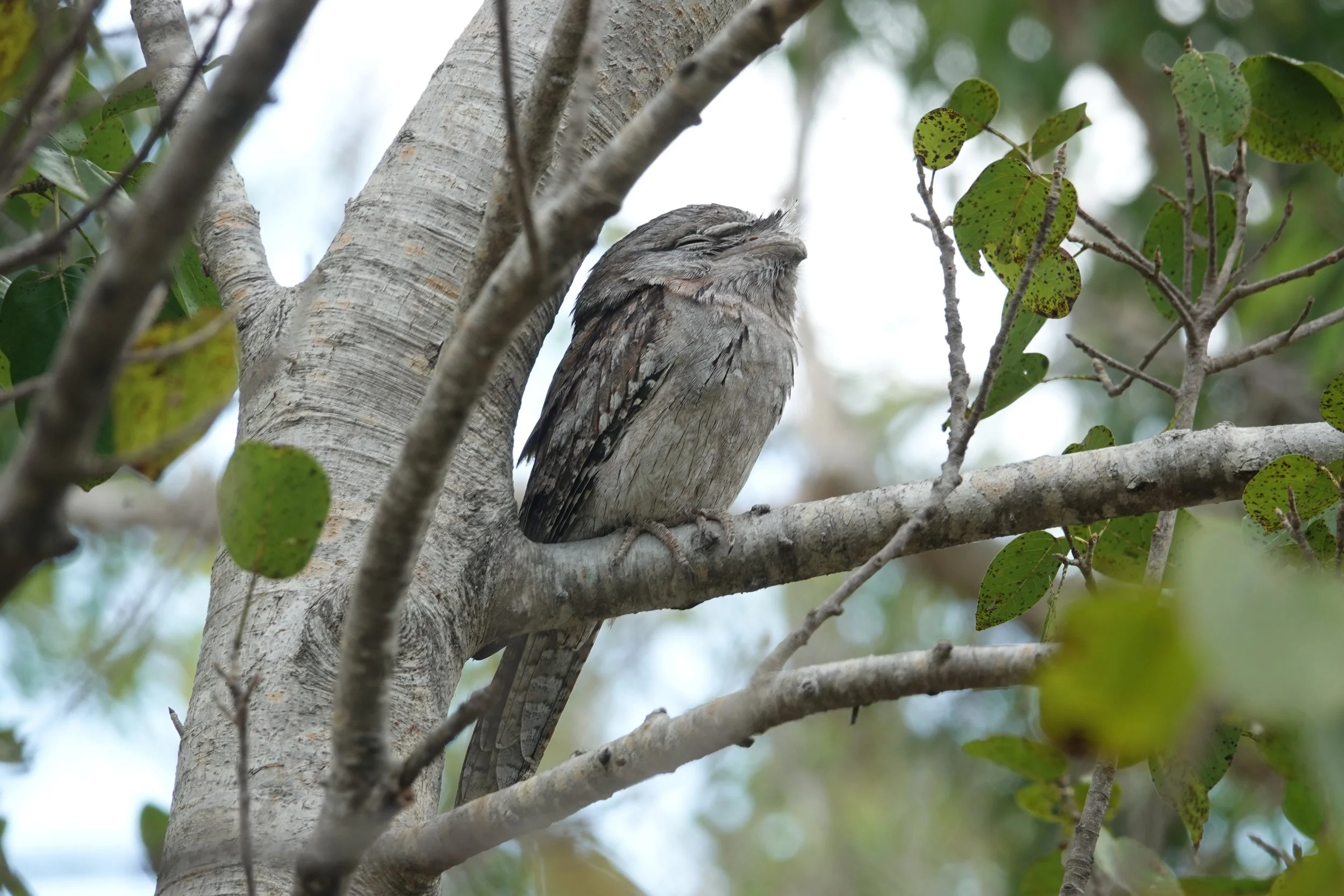
After lunch Luke took us to a little park and immediately found two tawny frogmouth, (pictured). Frogmouth are such odd looking birds. And these were no exception. They were incredibly close to us so the pictures turned out very good.
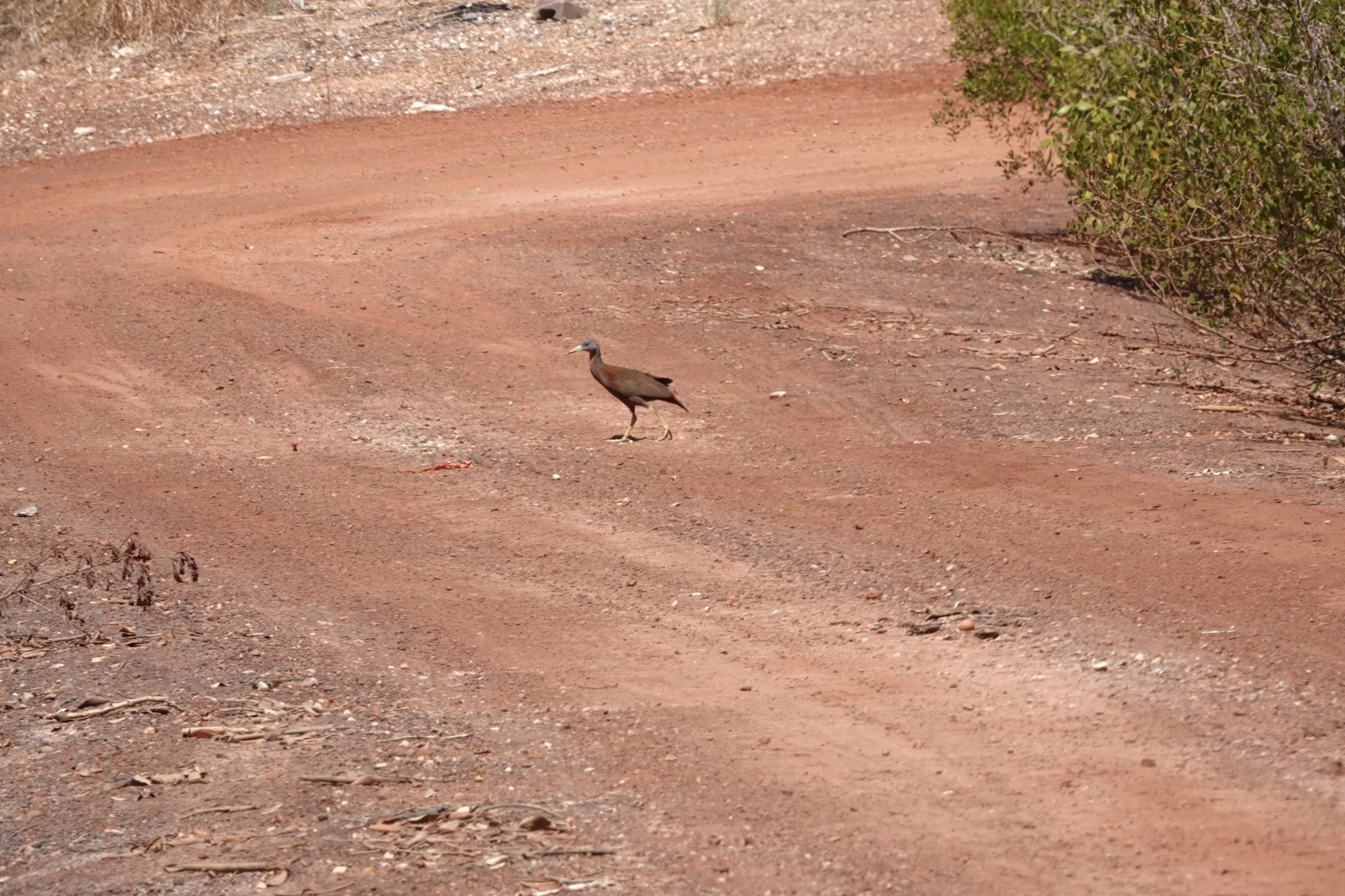
We went to Buffalo Creek next, another old haunt of mine. We were looking for rail that we never found. But there were loads of other birds around including red-capped plover and sharp-tailed sandpiper. As Luke was looking at birds through the scope he casually mentioned there were several sharpies. Several sharpies? Ping Ling, (a big lister just like me), and I about jumped out of our skin when we heard there were sharp-tailed sandpipers. A real treat to see them. The red-capped plover is aptly named. A tiny shorebird with a super cute reddish cap on its head.
We finished dinner a little bit ago. Luke is taking people out owling for rufous owl and large-tailed nightjar. I saw the owl earlier in this trip and the nightjar in NE India so decided to pass on the owling to work on my entry for the website and get some much needed sleep.
84 species, 5 lifers
One Special Lifer
August 31, 2026
This morning we continued birding the greater Darwin area. First thing Luke tracked down two rufous owls. At our breakfast spot we got wonderful views of not one, but two rainbow pitta. At the Elizabeth River boat ramp we got fabulous views of a chestnut rail, (pictured), as it crossed the road.
Then we went to Fogg Dam. Probably my second favorite place in all of NT. (You know my first most favorite spot if you’ve been paying attention at all during this wonderful NT trip.) We saw the always beautiful green pygmy-goose. We saw loads of magpie geese and radjah shelduck and plumed whistling-ducks and wandering whistling ducks.
Black necked storks were also seen during the day. We got a wonderful view of an Australian bustard.
As you can see, we saw loads of great birds today…all of them old friends. Not surprising considering that I’ve birded so much in the Darwin area and all of the spots we went to I’d been to before.
We headed away from Darwin for the rest of the Top End tour after Fogg Dam. Along the way we stopped and saw a very, very special bird. I got lots of great pictures of this bird and amazing views. This very special bird is a red goshawk. It is so special and so rare that I can’t post any of the wonderful pictures I got of it and I can’t tell you where we saw it. All I can say is that it was one very special lifer. My only lifer today but wow, what a mega bird.
85 species, 1 lifer
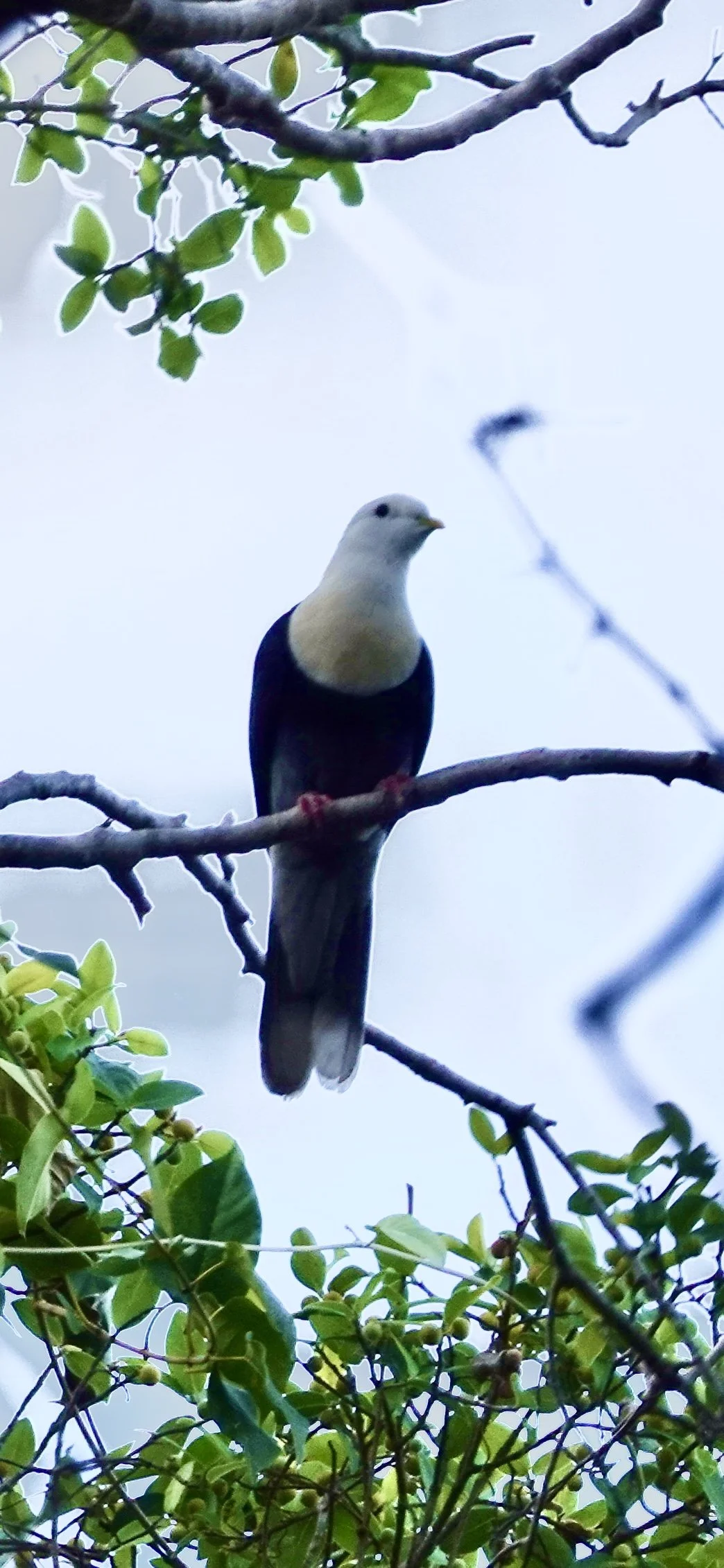
Kakadu
September 1, 2026
White Rabbit, White Rabbit. Where does the time go?
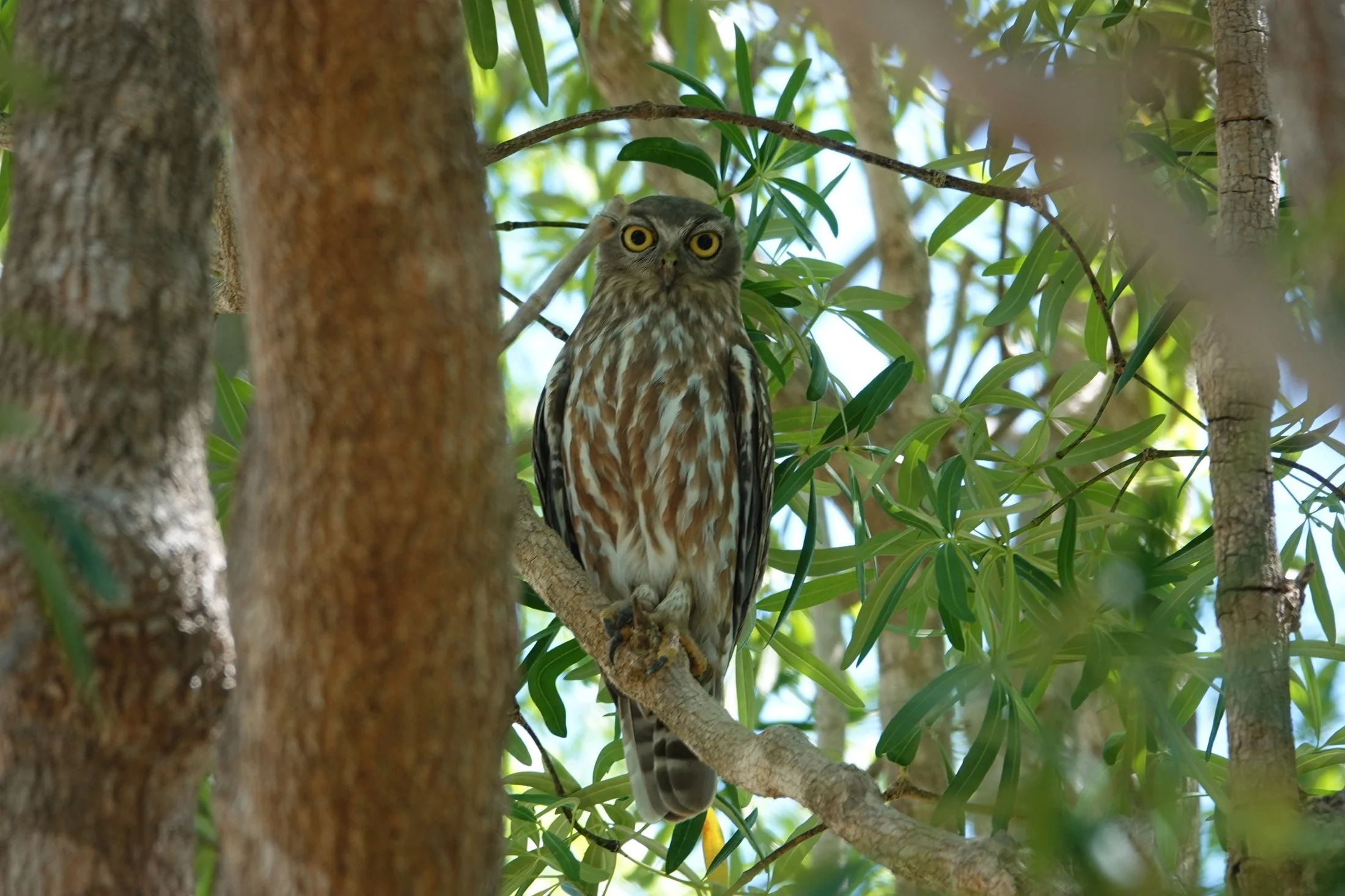
Today started about 12:30 AM with barking owls, (pictured), calling. I got a really good recording.
How do I possibly describe the rest of this full, full day? We are in Kakadu National Park. It has wonderful varied habitat and because of that I suspect that we will see many interesting birds. Wetlands, forest, sandstone and granite cliffs and formations, a little of everything.
Our adventure started looking for a bird we dipped on. Luke saw a partridge pigeon fly away from the road. No more pigeons crossed the road, but he heard a black-tailed treecreeper and after some searching we got excellent views.
We then had breakfast not far from the Alligator River. It was infested with crocodiles.
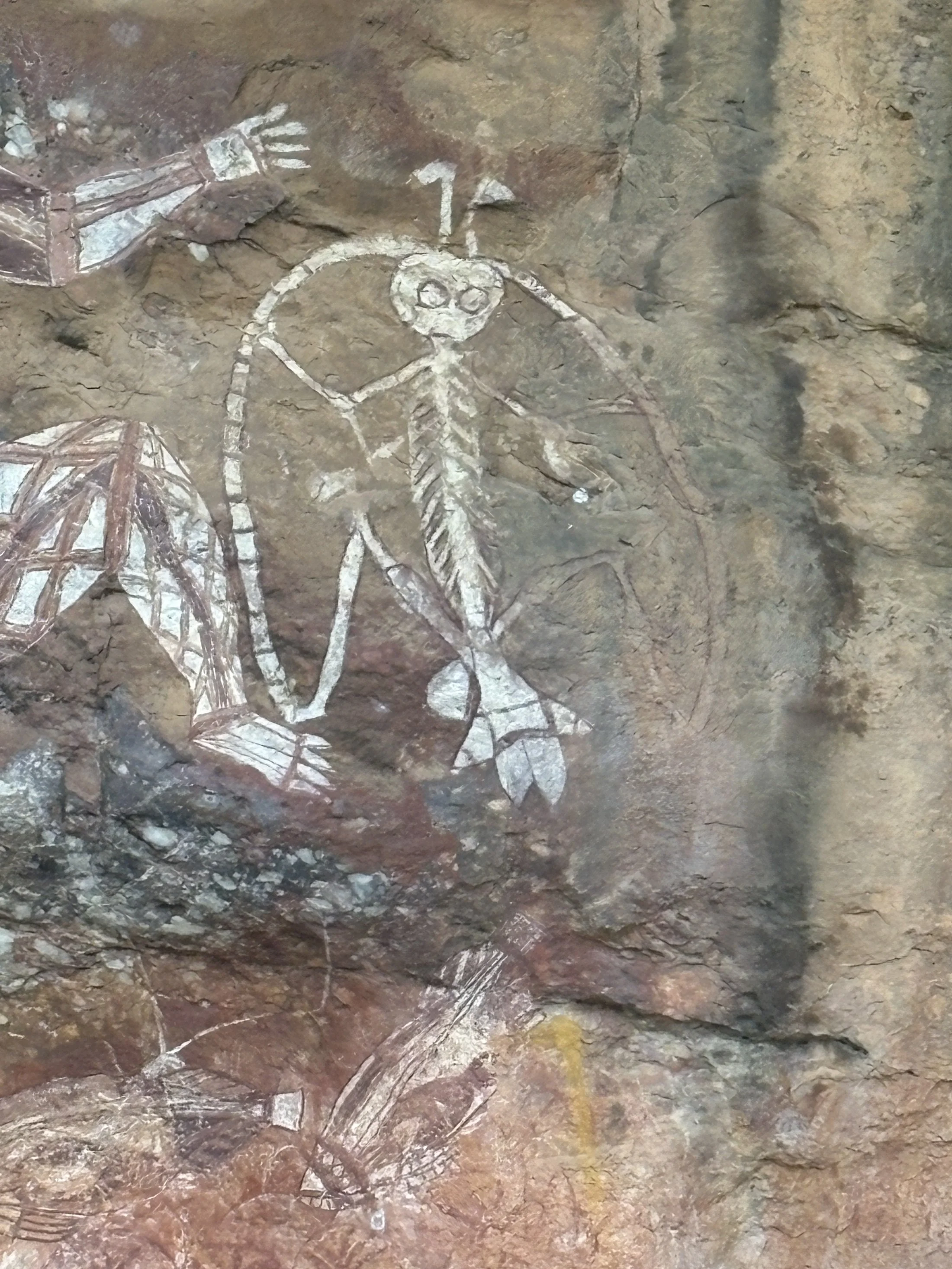
After breakfast we went to some sandstone cliffs. We quickly got very nice views of chestnut-quilled rock-pigeon. Then we climbed up to a lookout. We were looking for another bird but never found it. But Luke gave us the first of several talks on the artwork on the walls of many of the formations. Late in the day we saw the pictograph of Lightning Man, (pictured). It was all interesting.
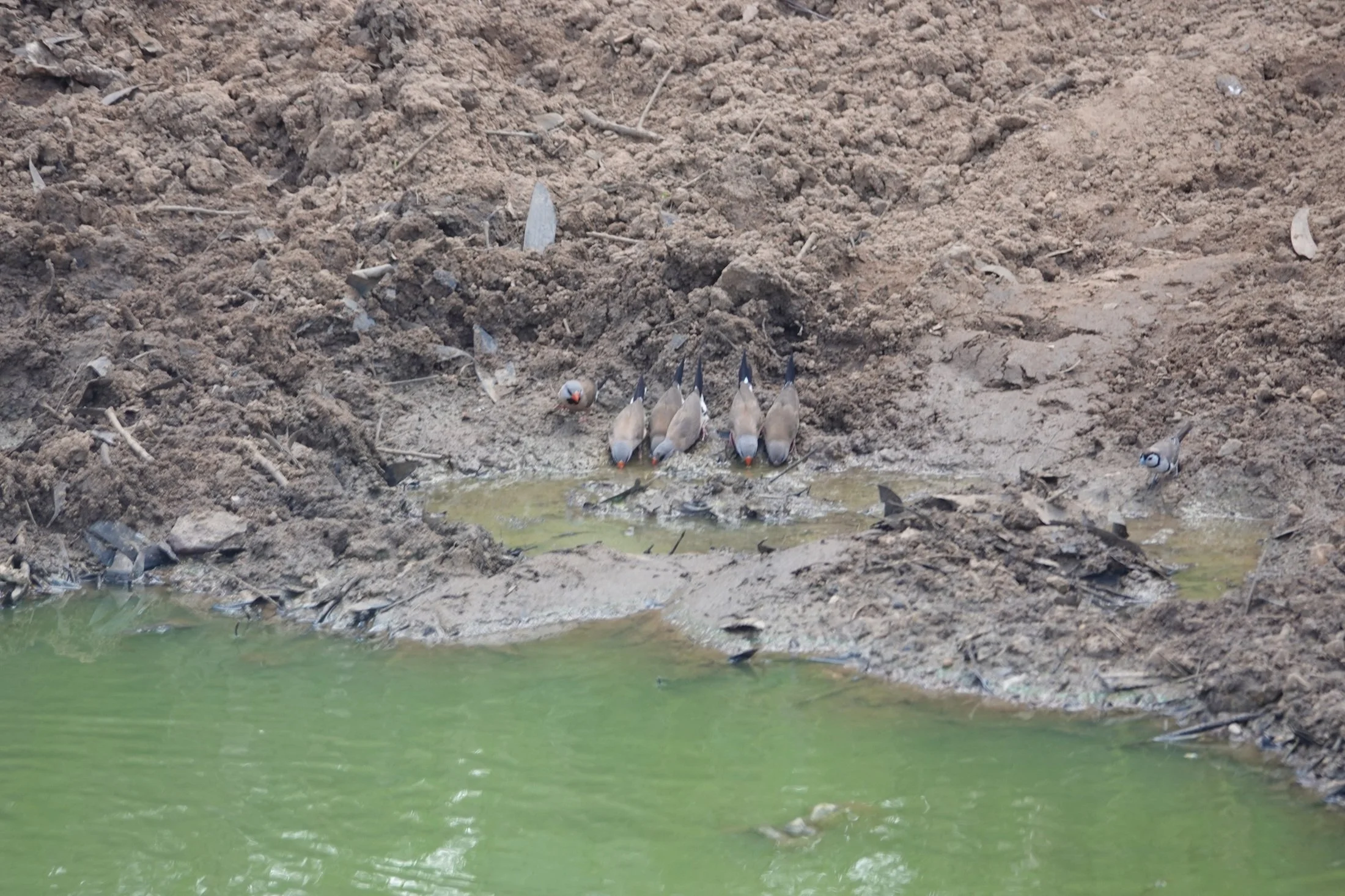
After a delicious Sarah lunch we were driving along when a partridge pigeon, (pictured), was spotted. We pulled over to look. It turned into quite the bird extravaganza with crimson finches and long-tailed finches, (pictured), among the many birds we saw in the trees. They soon made their way to water and began to drink. The picture of the long-tailed finches is them drinking because I think it’s indicative of the importance of water in this environment.
We then went back to our rooms for a little rest time. It was wise to do that because it was so hot. Before everyone went to their rooms we all gathered outside my room for great views of the barking owl.
In the late afternoon we went to another spot in the park. A walk around yielded some really great birds including two black-banded fruit-doves that made Luke jump when he saw them.
As we walked back to the bus Luke heard and eventually tracked down a white-lined honeyeater for us. That bird and the fruit-doves were our two big targets for the afternoon.
With listers and maybe this is true of lots of birders when we get a lifer it injects a little shot of endorphins into our system. If there aren’t any lifers it can make for a slog of a day. Today was great for me because there were some lifers. The endorphins they produced helped me make it through this long, very good day.
65 species, 6 lifers
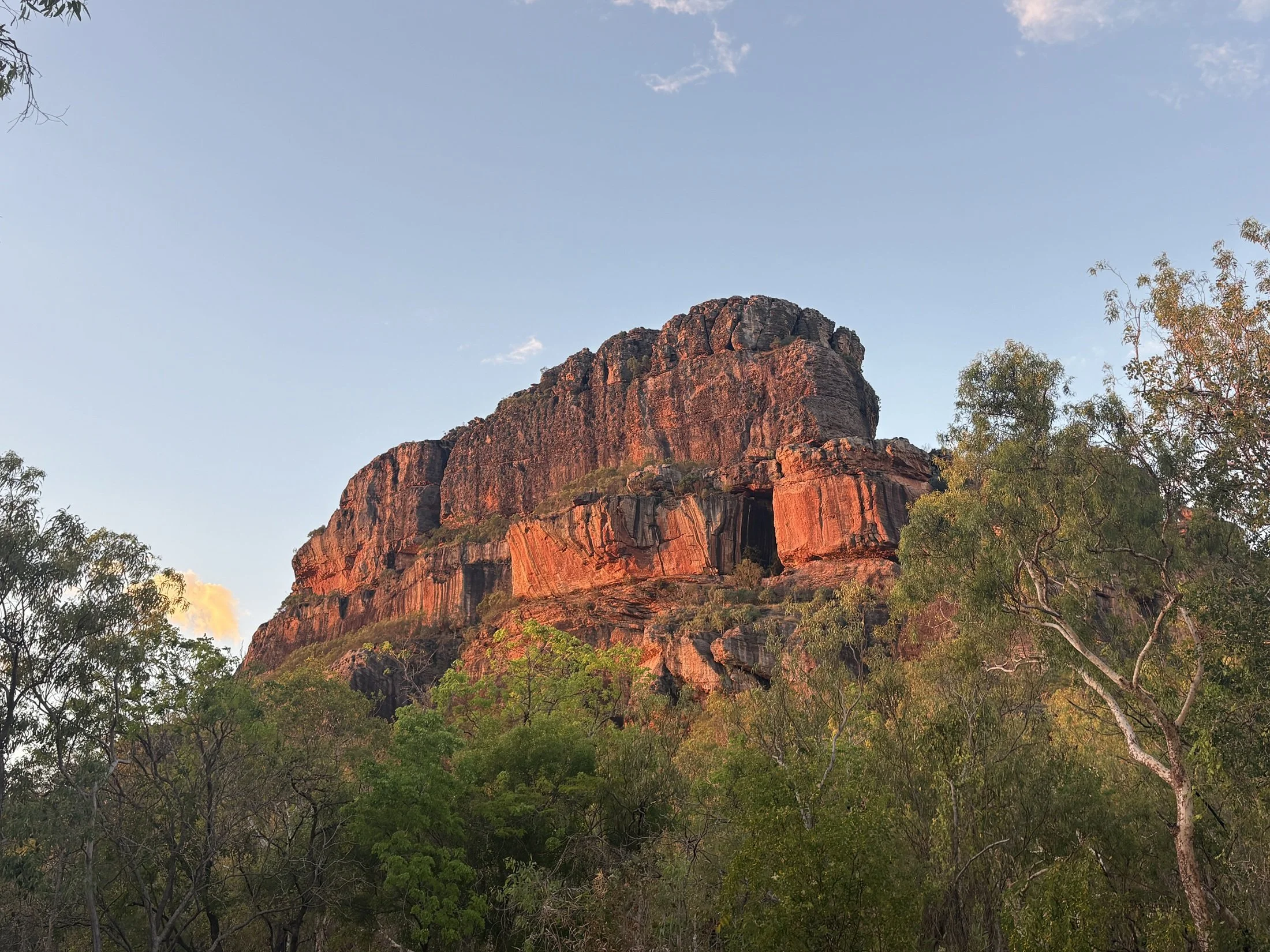
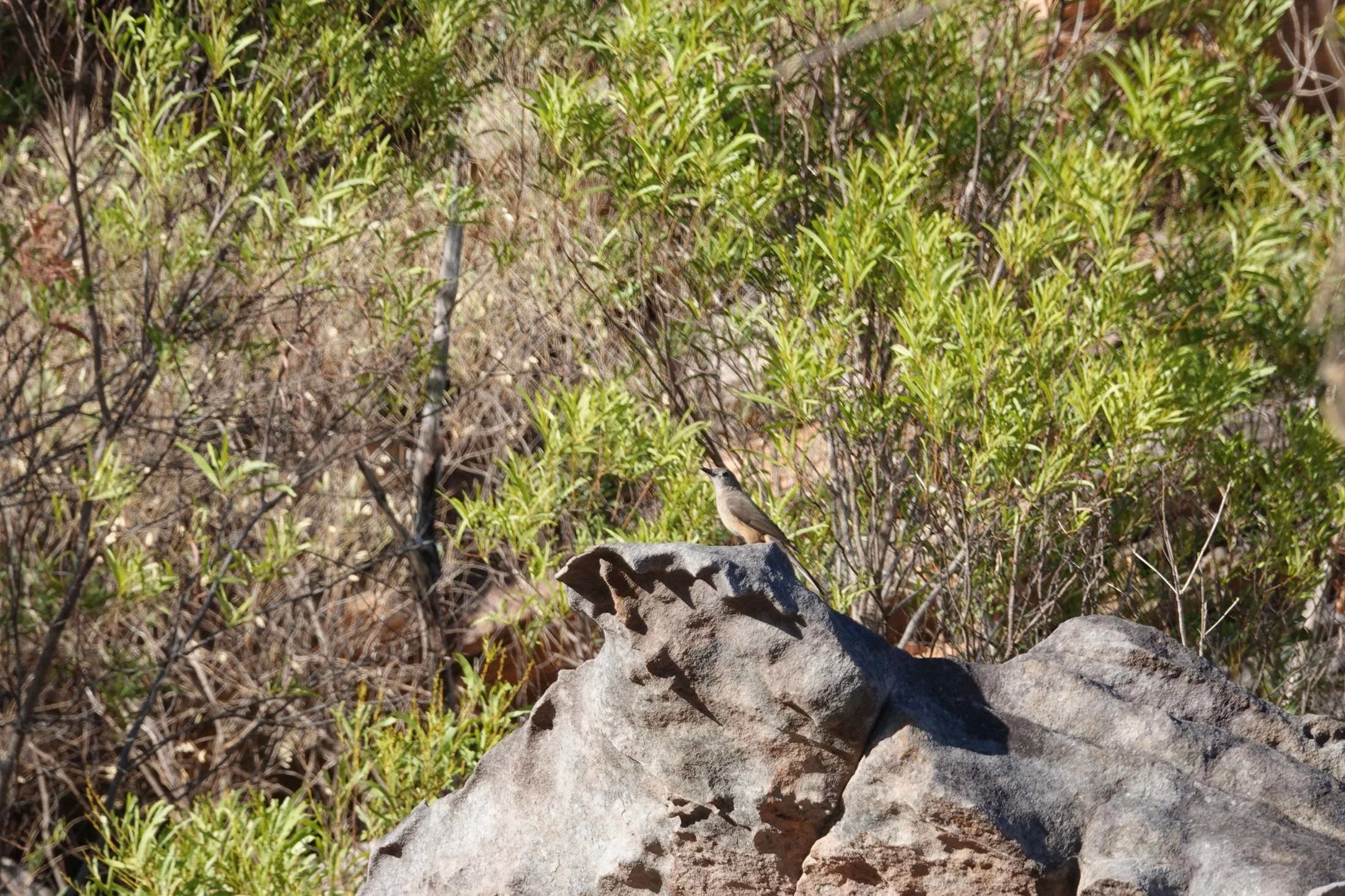
Licking Ant Bums
September 2, 2026
It’s very late and we have a very early start tomorrow morning so I’m going to make this brief.
We birded several spots in Kakadu today. What a beautiful place. We began the day with a six kilometer walk. We had two target species, The first one we saw far, far in the distance but eventually it came flying down for spectacular views, a sandstone shrikethrush, (pictured). This is one of the birds I really wanted to see on this trip and it did not disappoint.
The second bird was seen even further away because it was flying high in the air above the cliffs. There were several little woodswallows flying around. A very dark brown.
And that was the extent of the target birds this morning and for that matter the lifers for today. We birded several other spots and saw many old friends. I got some really good pictures but it’s so late I won’t be posting any at least for now. We went night birding tonight and dipped on both birds we wanted though we heard them very close.
The highlight of the day was green tree ants. You can pick them up and lick their bums. It gives you a citrusy taste and a little bit of a stinginess on your tongue. Luke showed us the technique and several of us gave it a try. What great fun. At another spot we also shook the flowers of a tree and it dripped nectar onto our hands. It was a wonderful sweet taste.
I’m going to close for now. I’m going to try to post a video on the website. If it works it will be a first.
66 species, 2 lifers
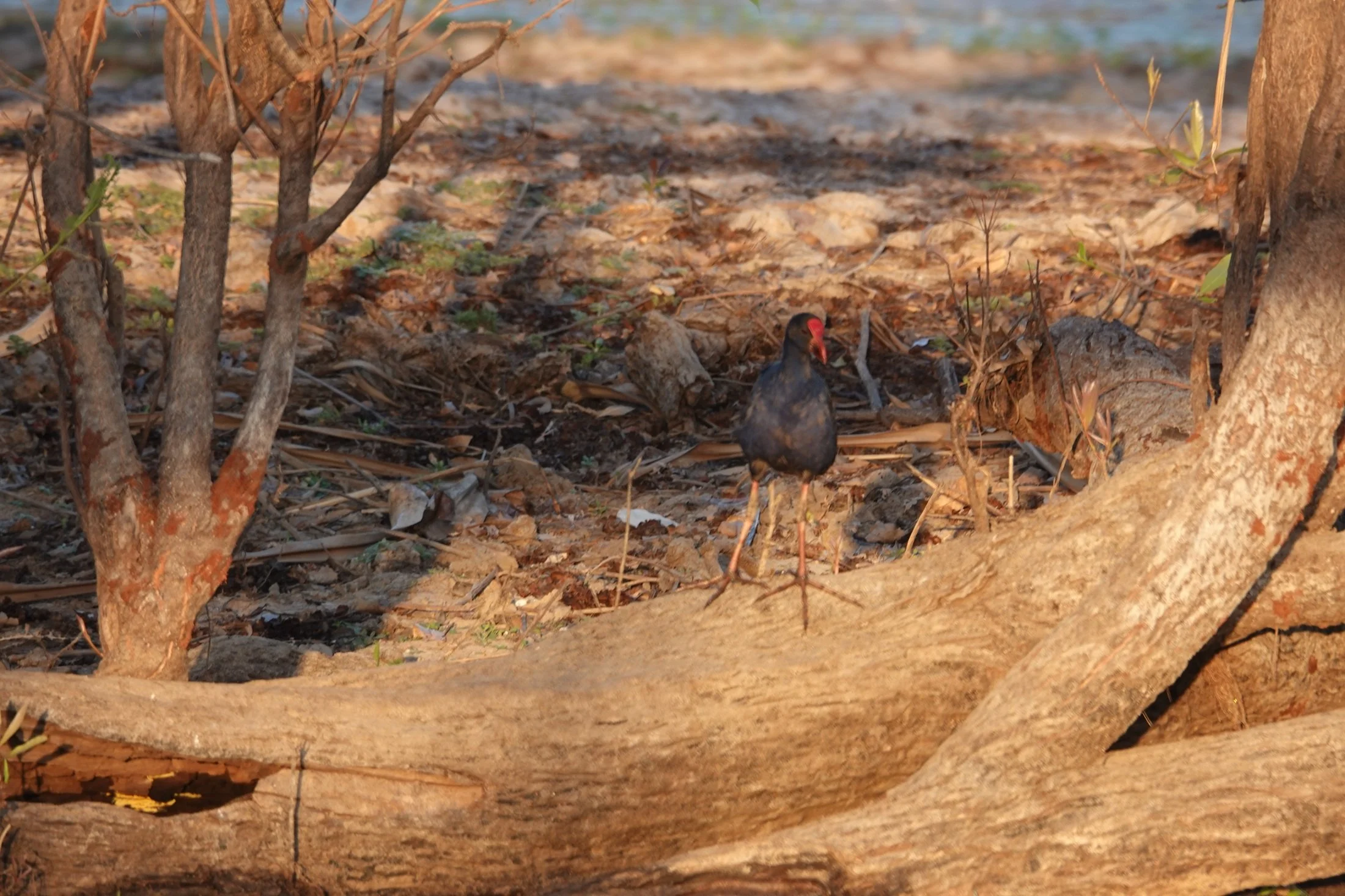
Hooded Parrots
September 3, 2026
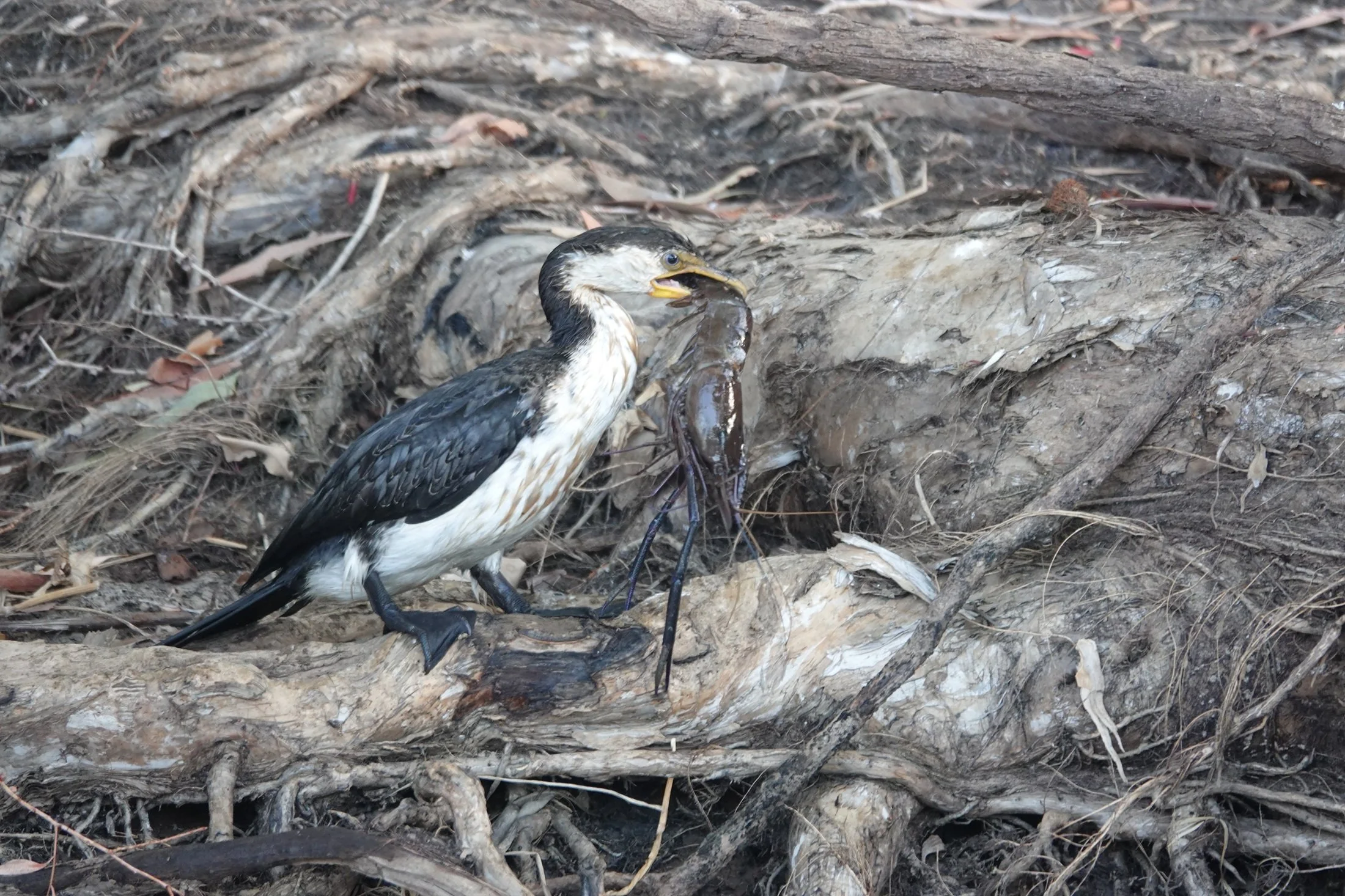
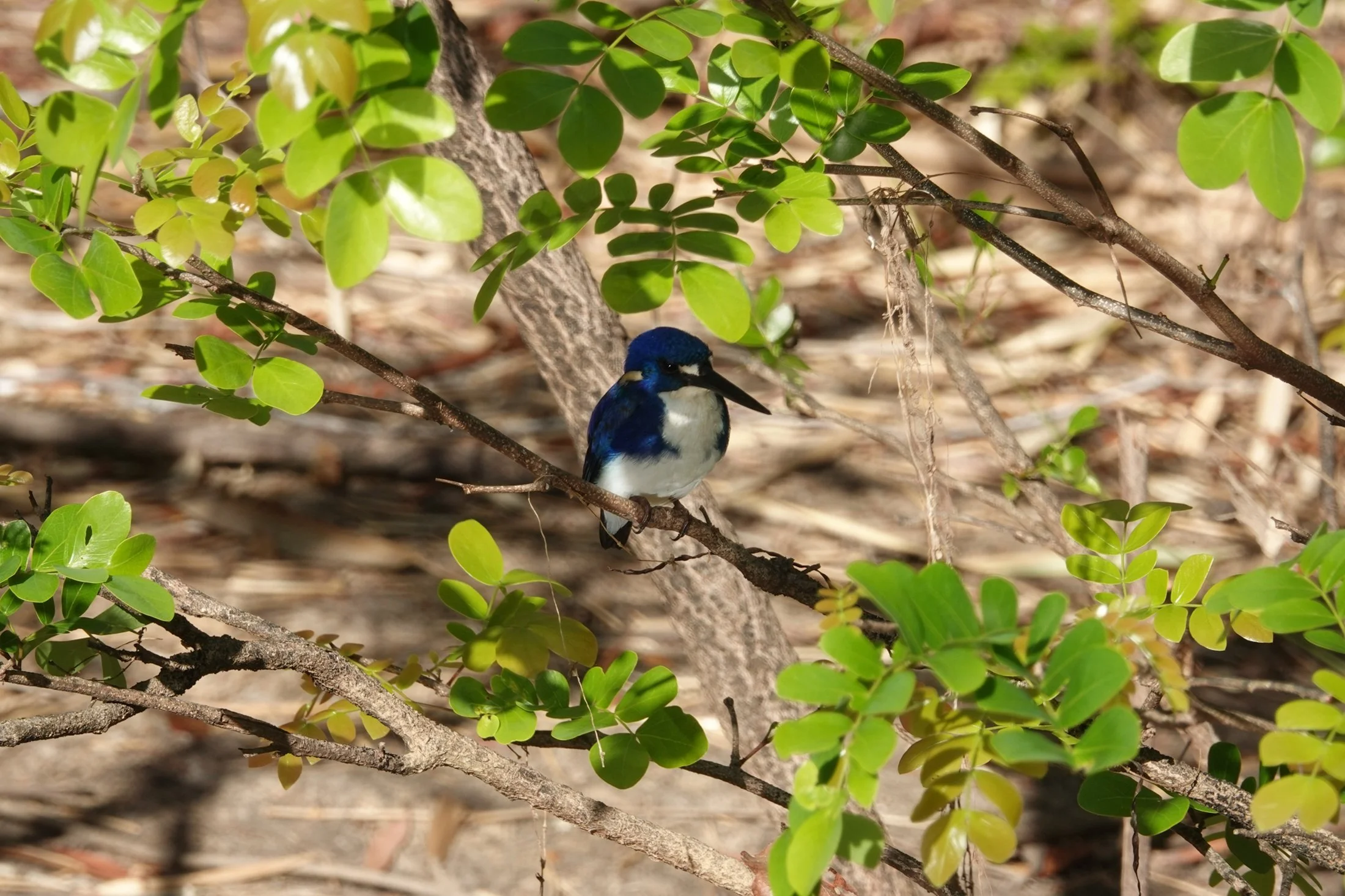
This morning was a very early one. We went on a boat ride on Yellow Waters in Kakadu National Park. The ride was very nice and we got stunning views of an old friend, a little kingfisher, (pictured). And we got to see a little pied cormorant, (pictured), with an enormous crayfish.
But I have to agree with one of the other participants. I asked her if she liked the boat ride. She said yes but she wished there were more lifers. I got one lifer, an Australasian swamphen, (pictured). (This is the way listers are in case you didn’t know.)
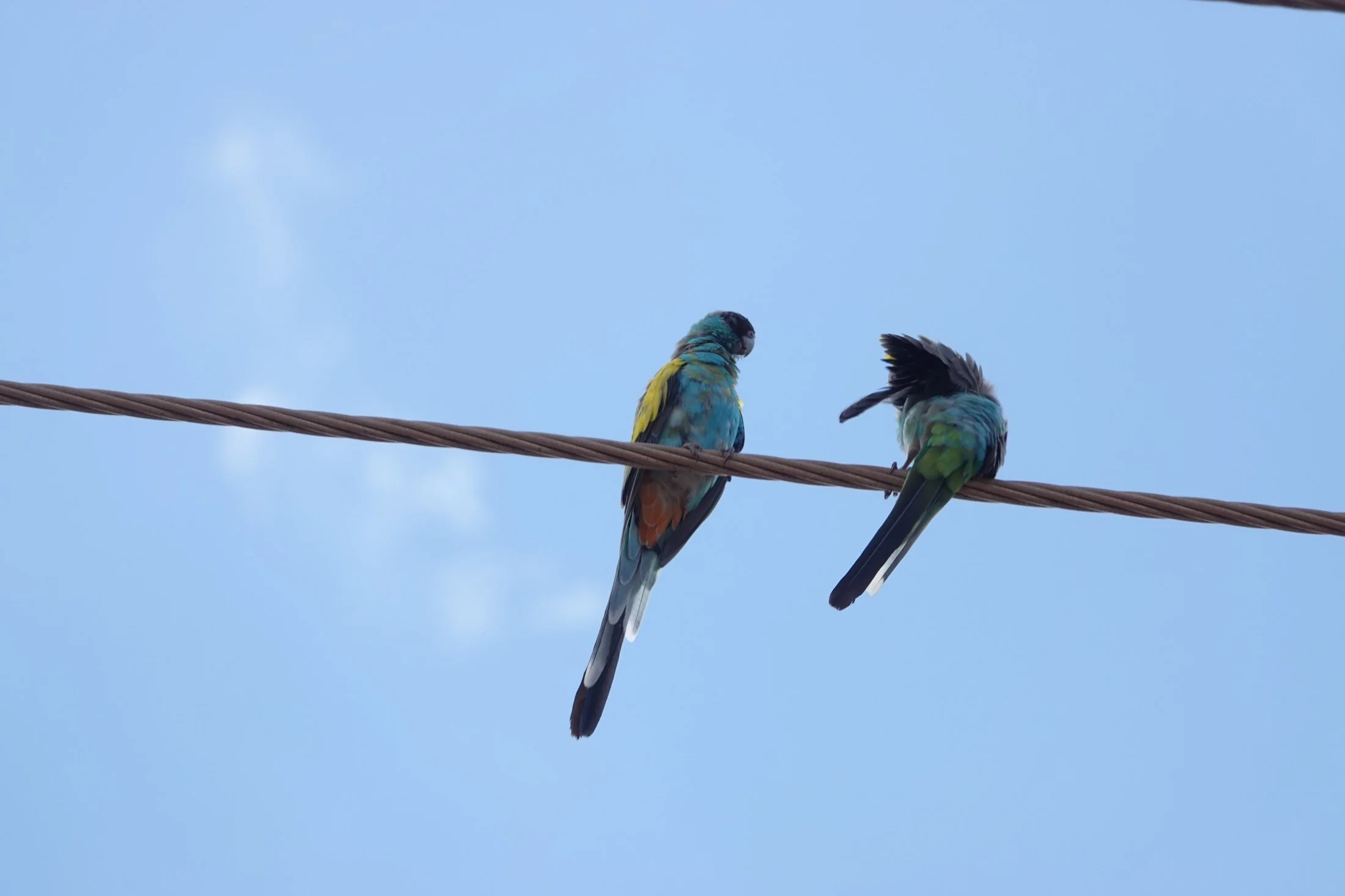
After the boat ride we stopped at several spots during the day and saw many old friends. But the real highlight for me today was our destination, Pine Creek. In the little park across from the place we’re staying we saw hooded parrots,(pictured). This is a common bird but it has a very limited range, primarily here in Northern Territory. It was another of the birds I really wanted to see. What a great way to end the day.
It’s pretty early but I will close with a story. I studied Chinese in university. I barely remember any of it. Today we were birding on a bridge without much success. Another birder came towards us, and I asked her if she had any joy. She smiled and tried as hard as she could to communicate with me. Then I asked her in Chinese if she knows how to speak Chinese. She was very surprised. Soon Ping Ling and Ju Lin came and then began speaking with her in Chinese. (They are Malaysian and they both speak Mandarin.) Birding is a universal language no matter what language you speak in.
We are staying in little modular rooms. Reminds me of trailer houses but very miniature. Very comfortable and perfect for a long winter’s nap.
73 species, 2 lifers
Listers and Apostlebirds
September 4, 2026
I’m a lister. I think we’ve pretty well established that. There’s a reason I’m stating with this.
This morning we went to a watering hole, and we found lots of birds including many lifers for the other folks in the group. We got gorgeous views of Gouldian finches. That’s a bird Luke really wanted everyone to see. And rightfully so because it’s a real stunner. It was a wonderful morning of birding. We had tea and breakfast. Really grand.
The next spot we went to was once again filled with birds including two northern rosellas. Once again, beautiful birds and big ticket must see birds.
As we plugged away at all of these birds and filled up eBird checklists there was only one problem. I’ve been birding in Northern Territory for nearly a month and I’ve seen a lot of birds. My lifer list, thanks to Luke and his team, far exceeds my expected total for NT and we still have a few days of birding ahead of us. But today in the morning there was no joy in Mudville for me because I wasn’t getting any lifers, just lots and lots of old friends. When you’re on a birding tour and you’re not getting lifers yes, it’s wonderful to see these birds because they are indeed beautiful. But let’s be honest here, without the endorphin shots that come from lifers birding touring can become a bit of a slog. Again, I’m a lister so keep this all in perspective.
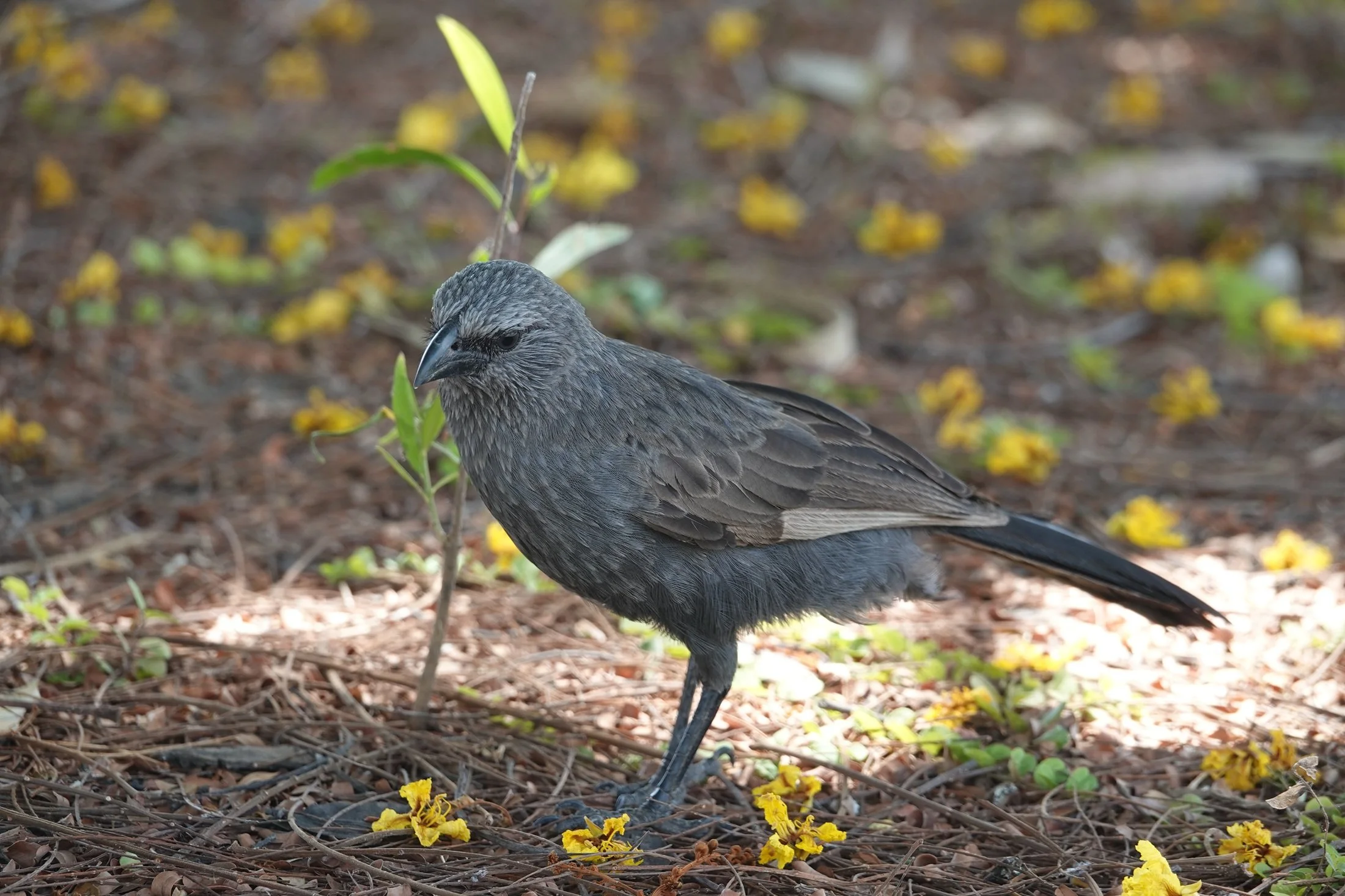
As we headed towards Katherine where we’re staying tonight, I got to looking at the probable birds on Merlin for the Katherine area. Most of the birds on that list were already lifers for me. But there was one that stood out because it was supposedly likely to be seen in Katherine and it wasn’t a lifer. As we rolled into town we saw that bird…an apostlebird, (pictured).
Yippee, a lifer and a really cool one at that. We actually saw many of them which is totally in character for this bird. They are called apostlebirds because when early settlers saw them they were typically in family groups and the family groups were most often twelve. Wow, what a fun reason for the name. The picture I took may well be the best picture I’ve taken the whole summer because these gregarious birds were so accommodating. And I got a recording of their call, albeit, very poor.
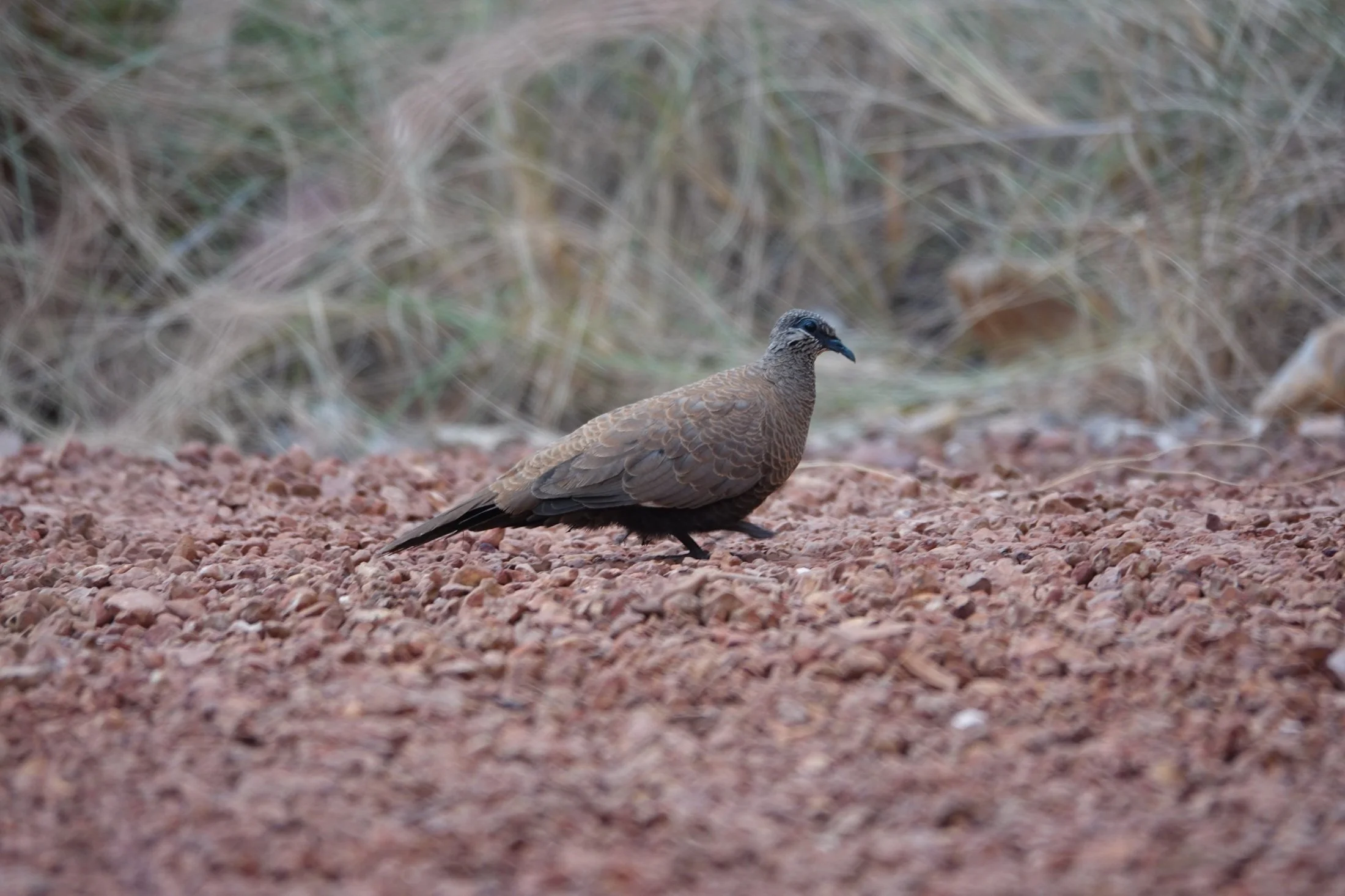
We had lunch at a café and then checked into our rooms. I took a nap. The afternoon birding session I was a ball of energy. Was it the nap? Nope, it was the lifer. I actually got one more lifer, two common bronzewings were beside the road as we drove along in the afternoon. Really beautiful pigeons.
This is the life of a lister, I’m way past denial. And I’m also pretty self-aware. Luke has more lifers planned for both me and the rest of the crew. That’s how he rolls. Always aware of where everyone is as far as birds they want to see. He’s a fantastic person to bird with. That’s one of the reasons.
74 species, 2 lifers
Walkabout Before Breakfast
September 5, 2026
Happy Birthday Edna. This morning we drove 50 kilometers north to look for a bird. The significance of that is that our next stop is south of Katherine. Must be an important bird.
When we got to a spot Luke thought was good, we set off on a walkabout looking for the bird. He eventually heard it in the distance and we were off on a march to try to find it. And eventually we did. A northern shrike-tit. It wasn’t a very cooperative bird and we got partial scope views and views of it flying and finally one good view of it in profile in a branch but backlit by the sun.
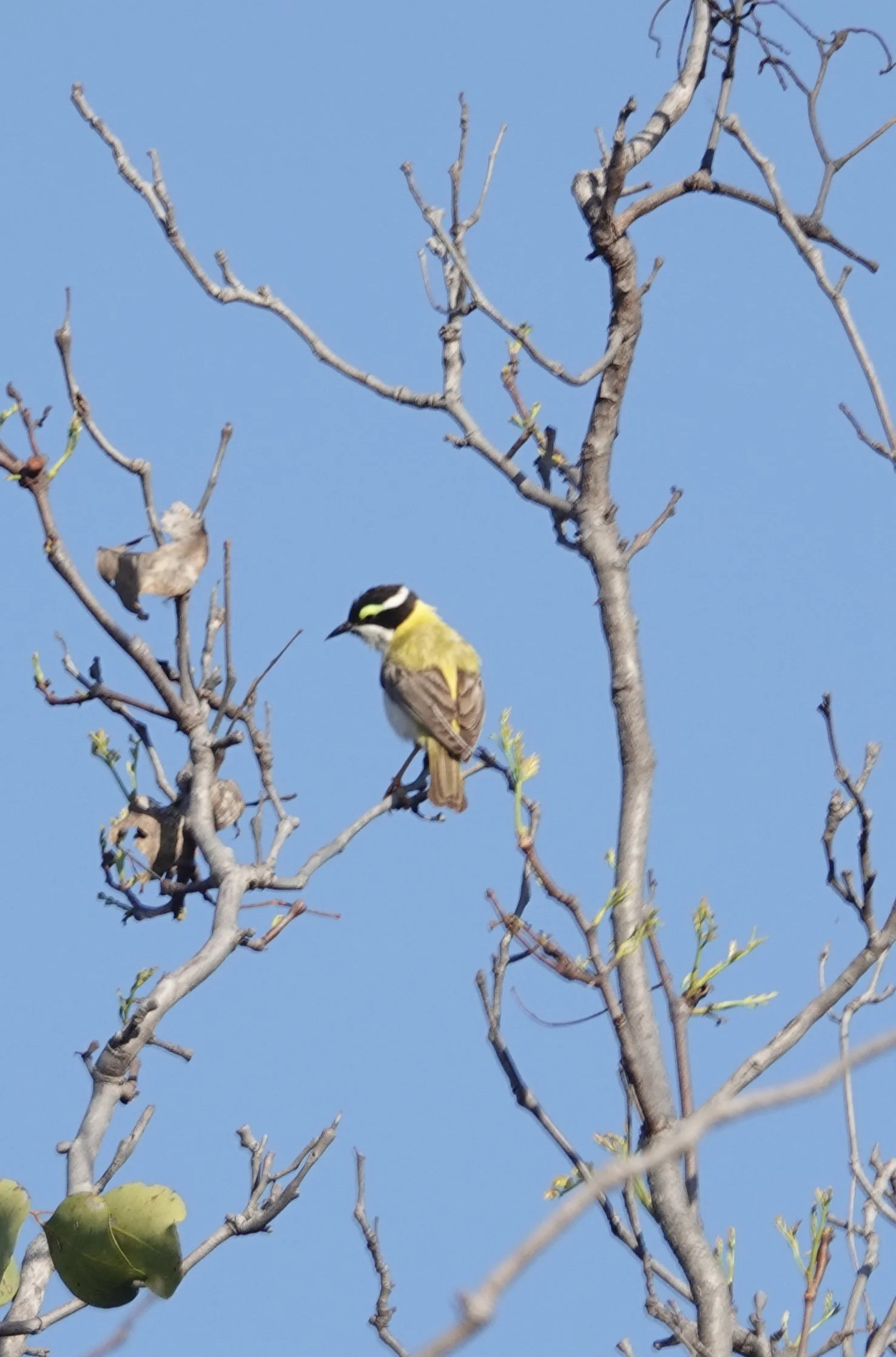
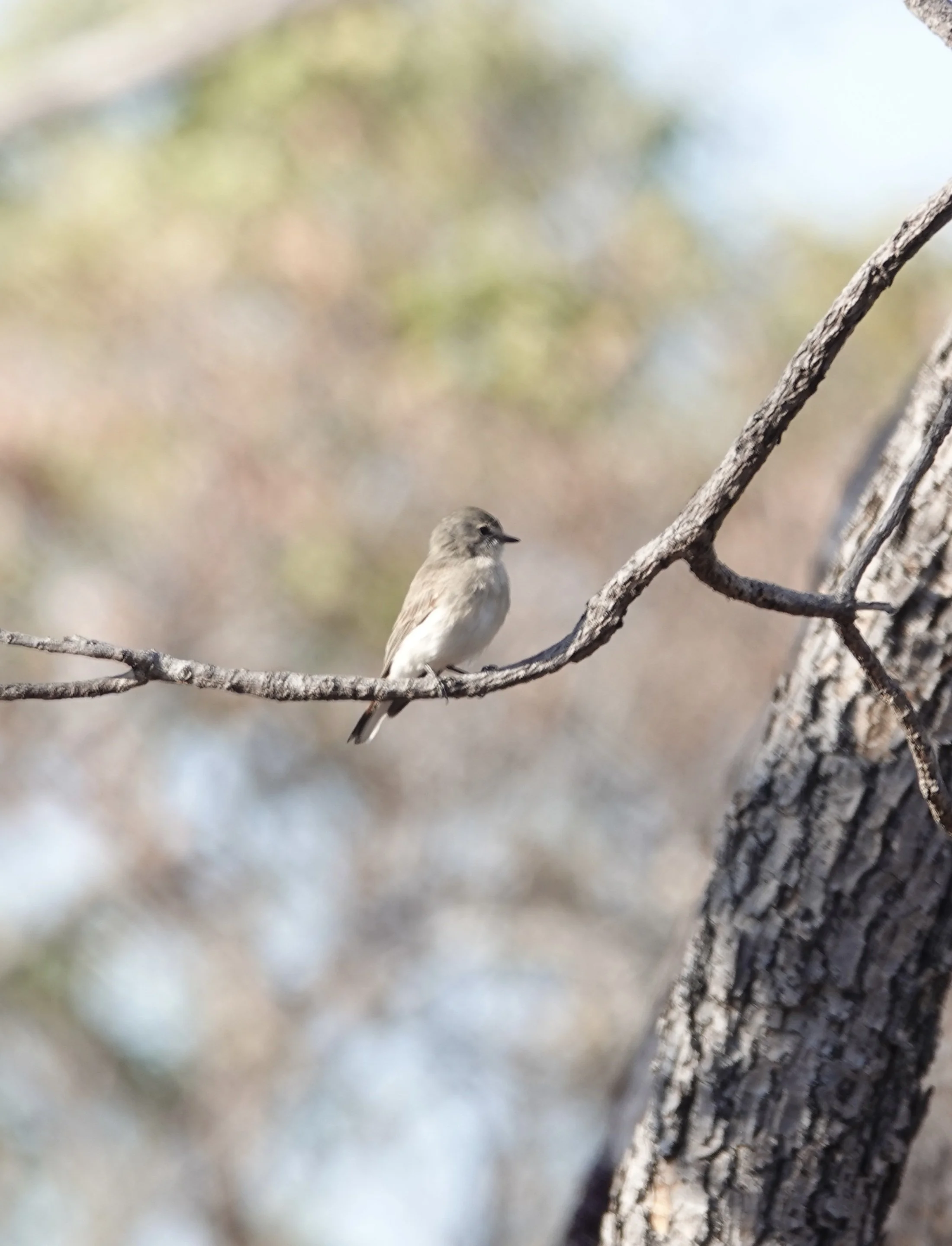
While we were on our walkabout, we also got very good views of rufous-throated honeyeater, black-chinned honeyeater, their bright green eyebrow is stunning, (pictured), and surprisingly jacky winter, (pictured). Jacky winter was a surprise because Luke thought it would be around a little later in the month.
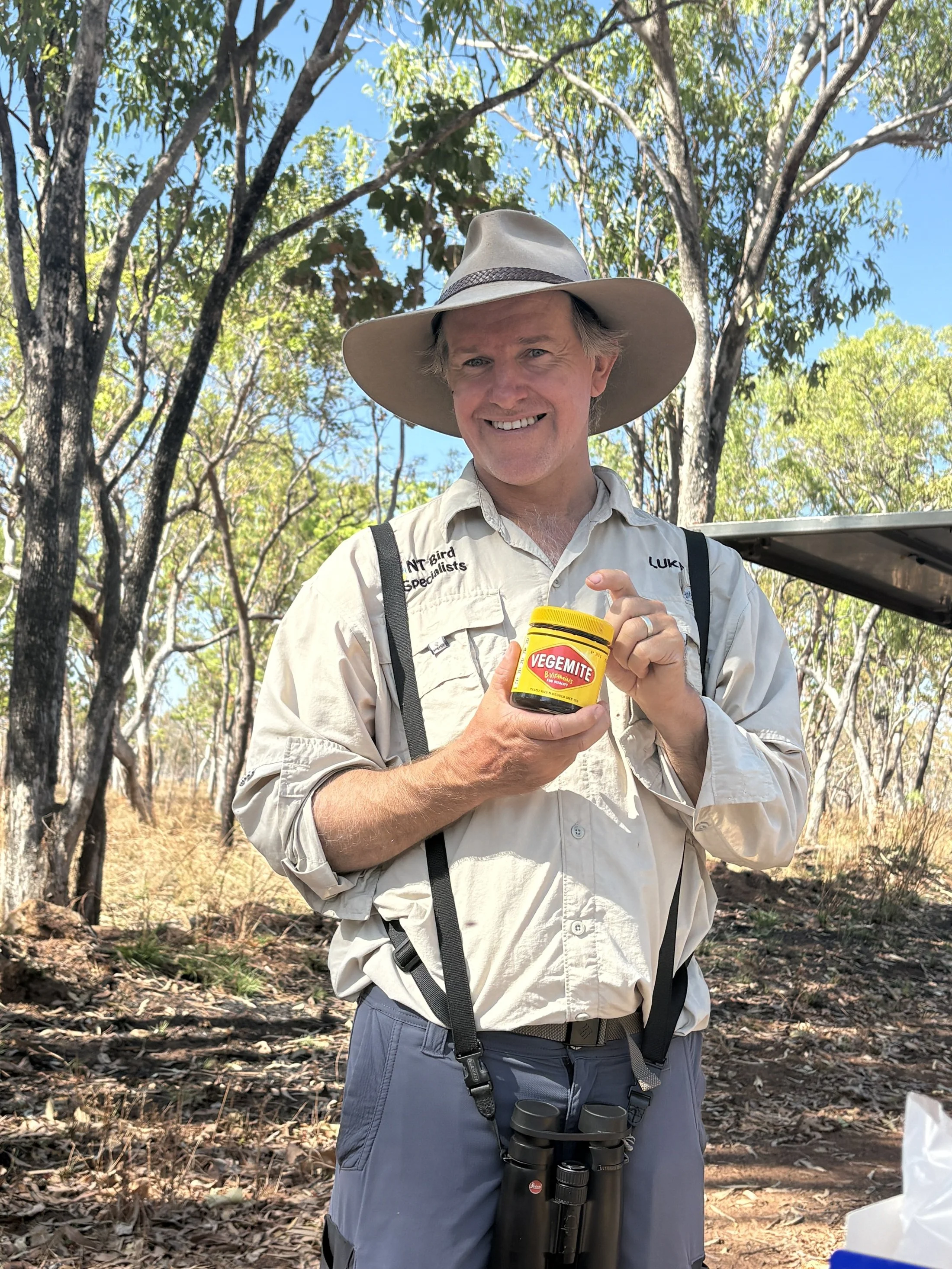
After we got done with our walkabout we had breakfast. Luke introduced us to vegemite. I had it with lots of butter on cinnamon-raisin toast. It’s salty and yeasty and best eaten sparingly though Luke was eating it with gusto. An acquired taste. I can say I have tried vegemite.
We had a long, long drive to Pine Creek. We stopped for lunch at one spot and I found diamond doves for Simon and Ray.
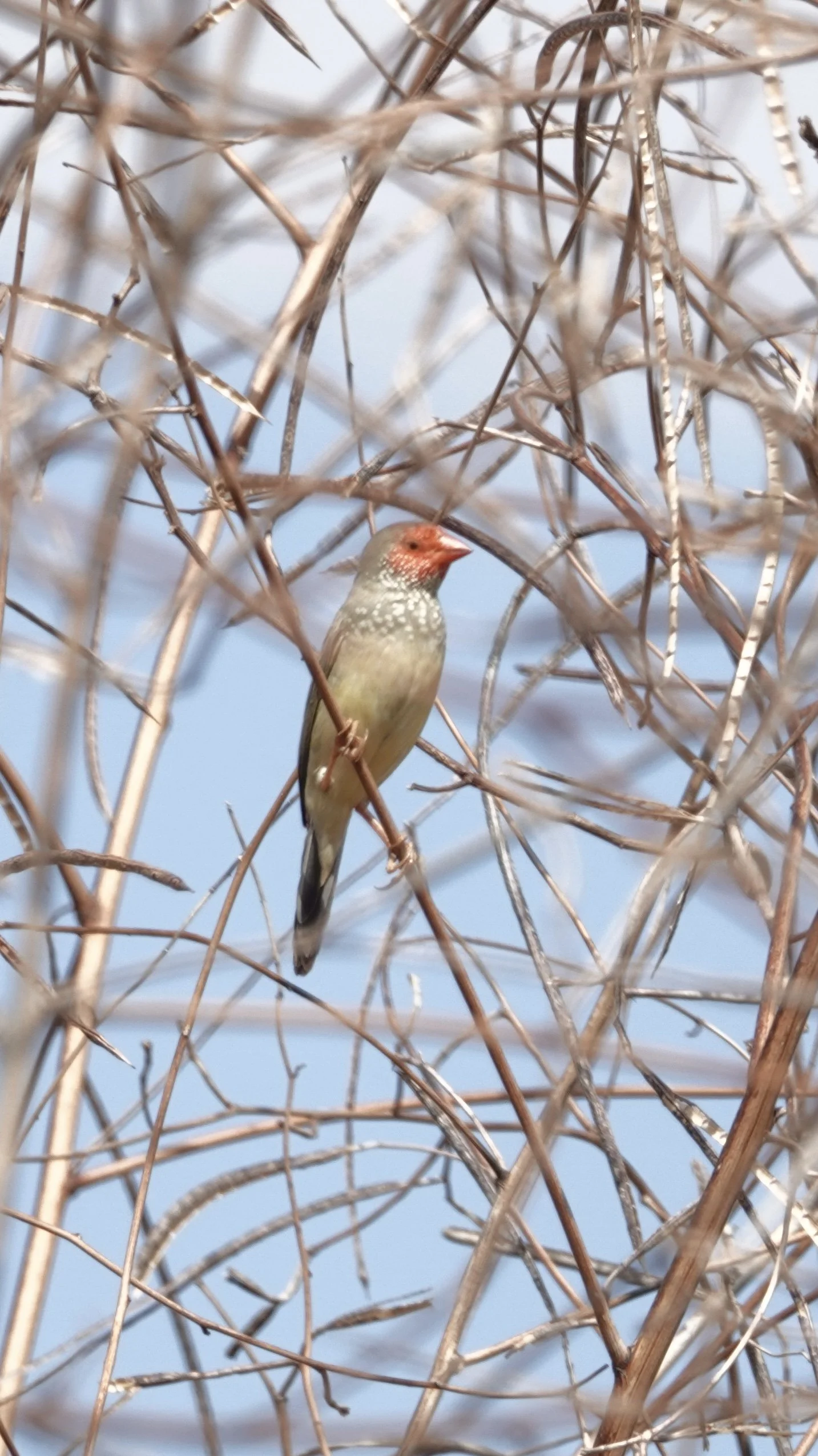
One of our stops was at a small watering hole surrounded by hundreds of cows. Birds liked coming into that water including star finches, (pictured). We saw many of them as they flew away from the water. Some eventually came back to weeds near by, and we got good views. The male with its red head and stars on the neck is particularly striking.
We arrived to Pine Creek late and it’s getting late now so I’ll close. It was a really fun day of birding highlighted by four lifers before breakfast.
63 species, 5 lifers
Buff-sided Robin, Among Others
September 6, 2026
This morning we started birding at a water hole. As I write these words I am thinking about all of the contradictions that are Northern Territory. During the dry season the water literally dries up to a few watering holes and mud puddles. And there are big brush fires. Some are planned and controlled. Others are not. As we were doing our walkabout yesterday, we were walking through charred earth that came with a recent fire. Watching for the burnt off grass tufts was essential.
And yet when the rainy season comes all of these burnt areas will become once again. The rivers will fill to overflowing and at times will flood with powerful consequences.
And the landscape of this place is gorgeous. Escarpments and mesas rise above the outback that is stark and virtually uninhabited. Northern Territory, a contradiction wrapped all the way around in beauty.
Meanwhile, back to the watering hole. We were there, about an hour and a half and what a parade of birds we saw. The Gouldian finches were there in large numbers. They are so gorgeous. And speaking of gorgeous, pictorella munia were also there. The scaly white bib is so striking.
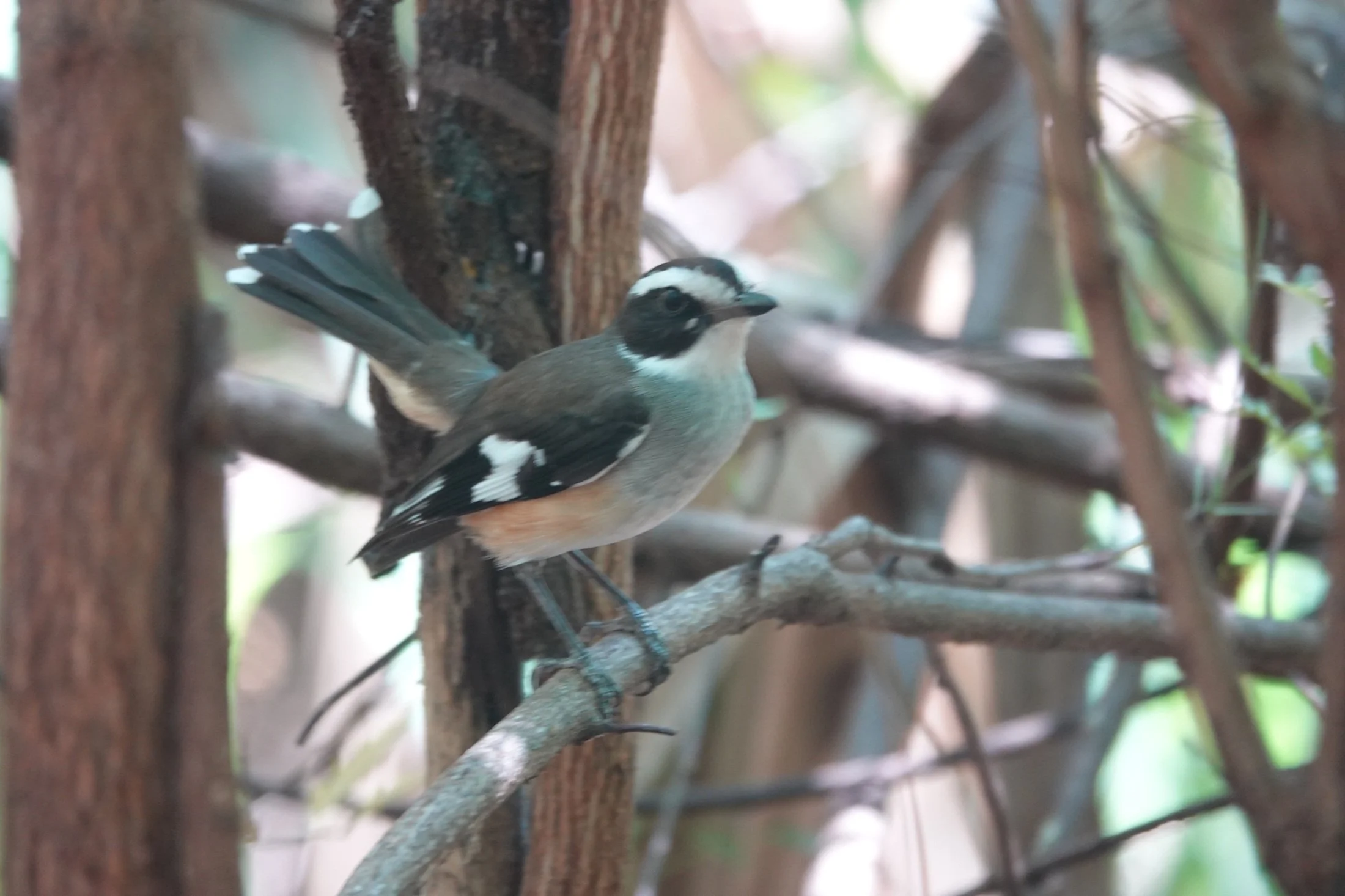
From the water hole we went back to the hotel we’re staying at and went to the river behind it. There were hundreds of black bats there making quite a racket. But Luke heard and we eventually saw a buff-sided robin, (pictured). A beautiful bird, this one was very obliging.
After lunch and a afternoon break we went out and about again. We went to the top of one of the ridges to look for a specific bird. It didn’t take long until we found the gray-fronted honeyeater.
Next stop was a double header kind of a stop. We found both yellow rumped munia and purple crowned fairywren. Both are stunningly beautiful birds. We also saw fairy martin nests.
We just got back from a session of night birding. I dipped on a nightjar that was really only seen from the front seats but I did see a brown quail on the road.
It is very late because of the night birding but what a fabulous day of birding.
86 species, 6 lifers
White-quilled Rock Pigeon and One Special Bird
September 7, 2026
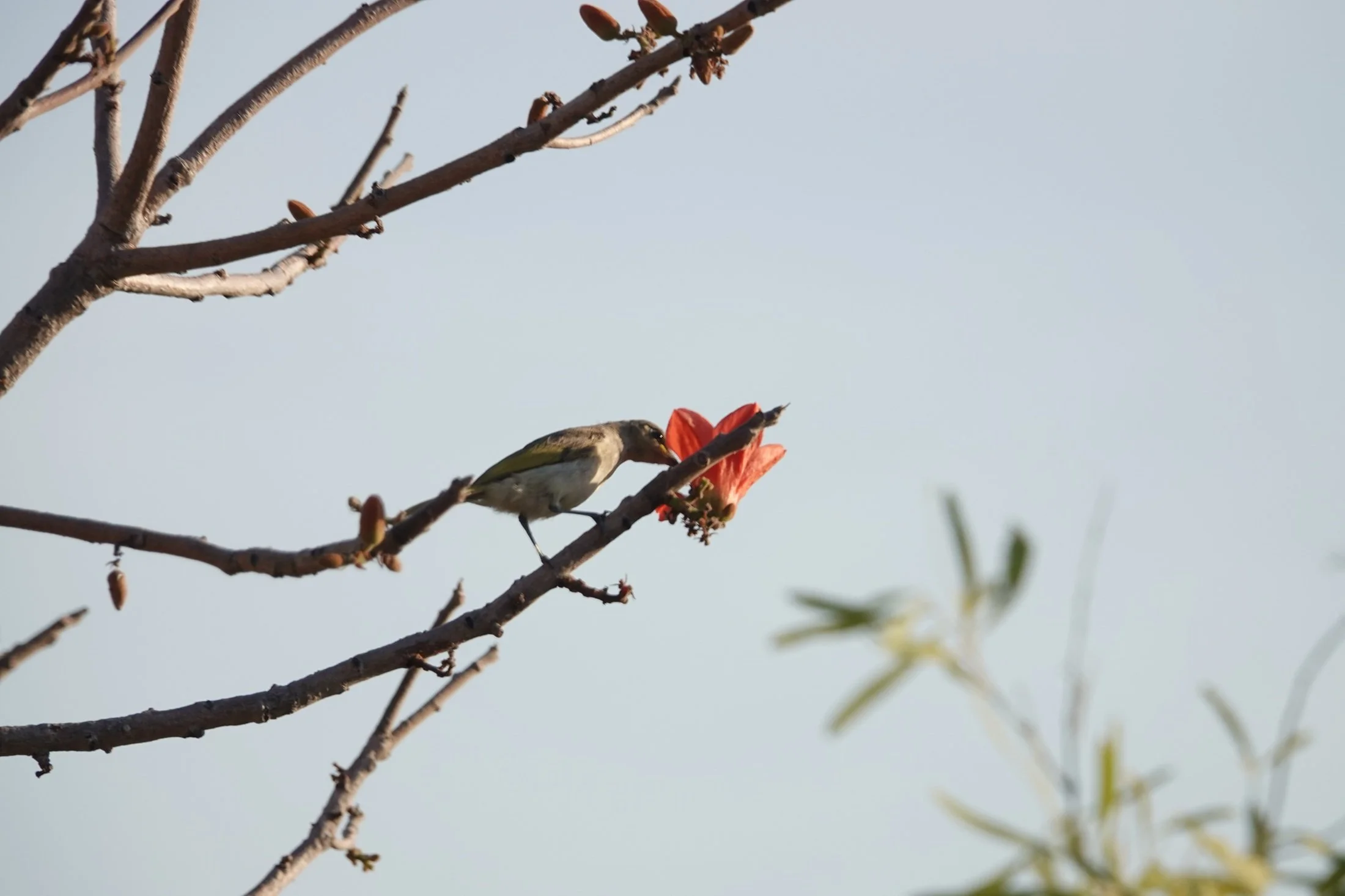
Today we made our way to Kununurra in Western Australia. Obviously, we birded along the way. We went to a water tank with a bit of water coming from it. Many birds congregated around the little puddles that were formed. All were old friends, but I loved watching the brown honeyeater, (pictured), sipping nectar from the flower.
We also stopped near the border of Northern Territory and Western Australia and ate all our fruits and vegetables. Western Australia has very strict rules about importing fruits and vegetables. They even have a checkpoint at the border where they check your vehicle. Wow.
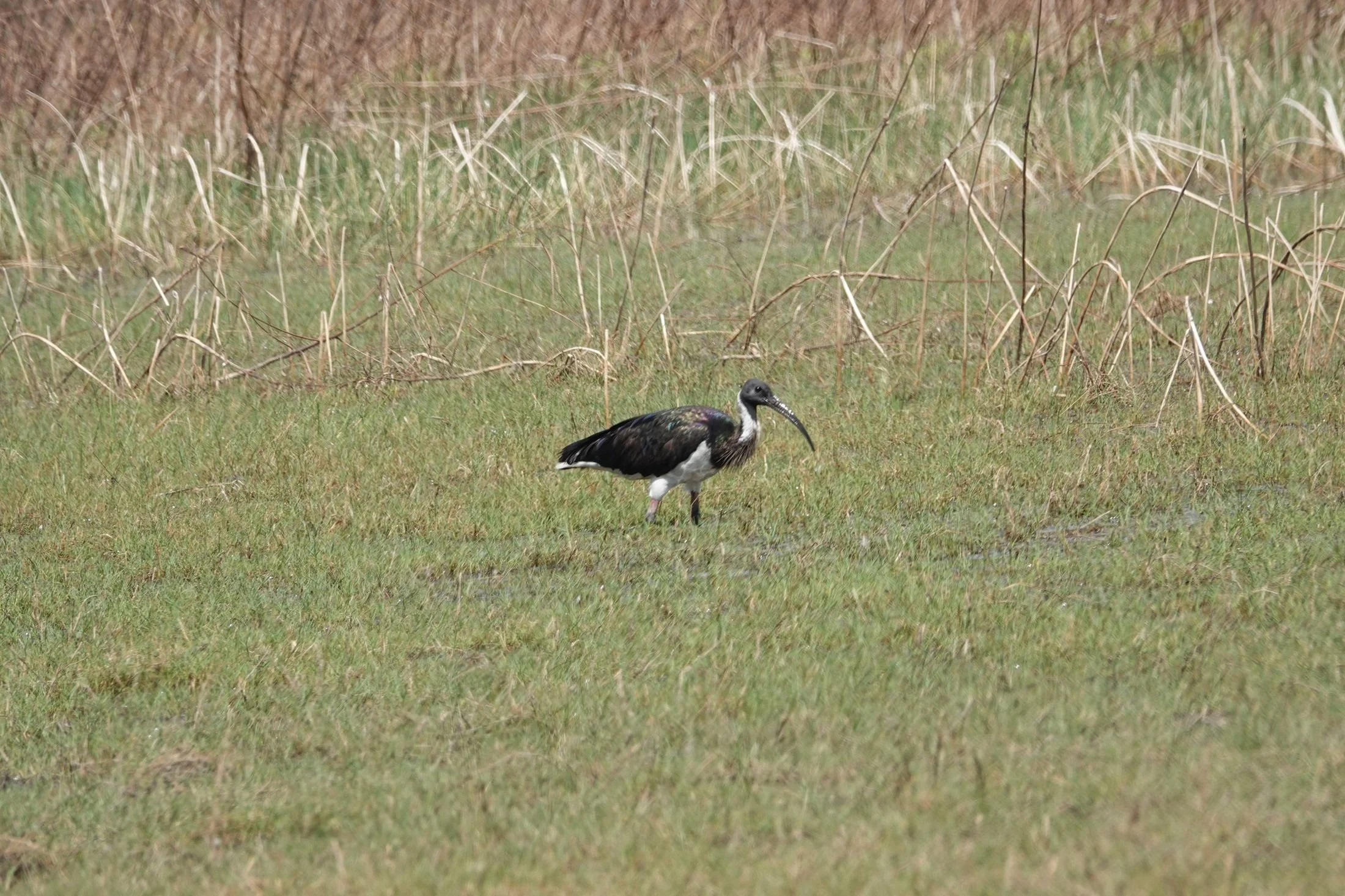
We stopped a few times to bird but for old friends. Eventually we made it to Kununurra but we were early to check in. We stopped at a little marsh. Again, we saw old friends including a straw-necked ibis, (pictured), that simply glowed in the sun.
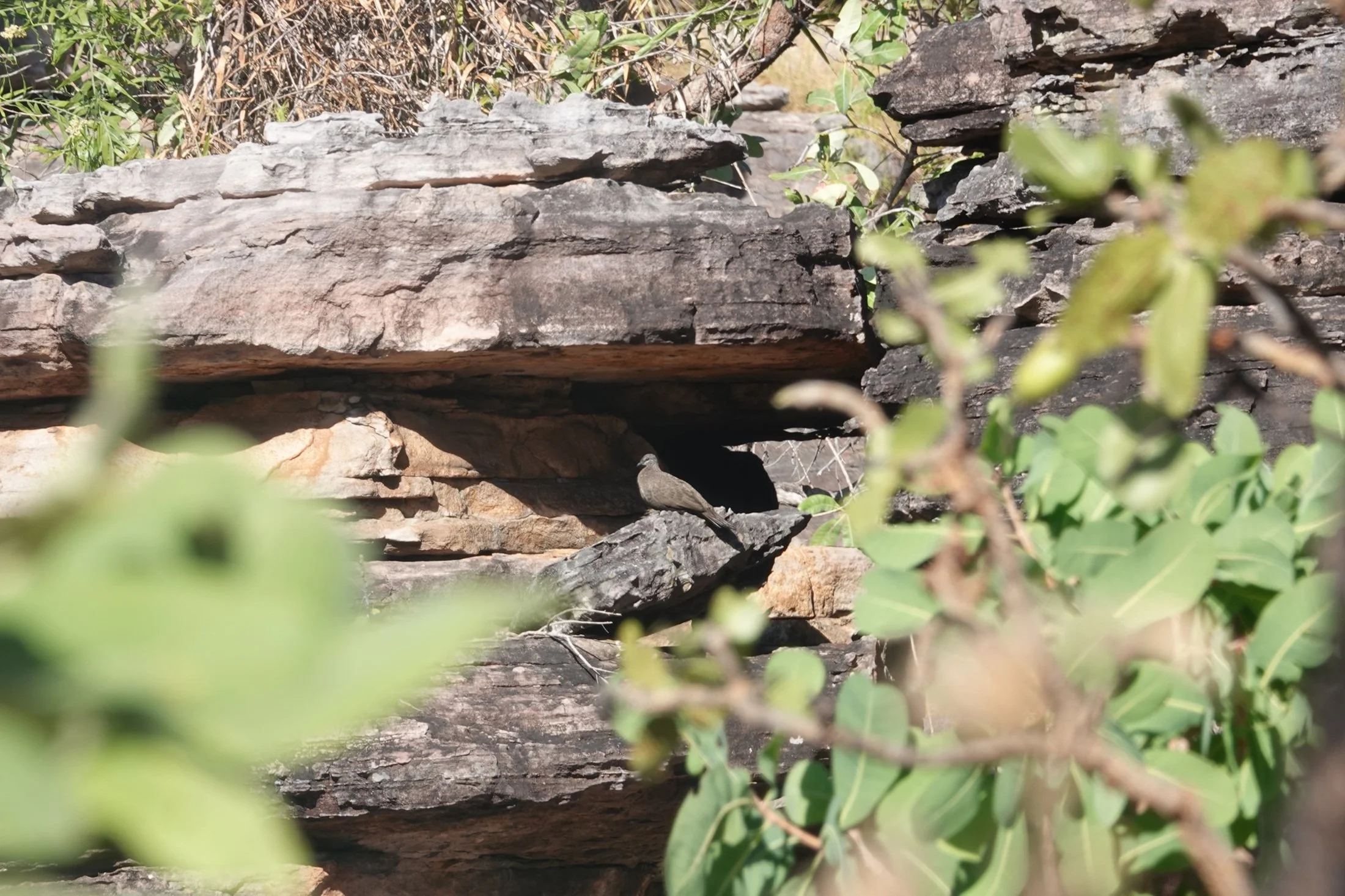
After we checked in we went to Mirima National Park. We were searching for one bird. I soon heard it calling and it didn’t take us long to find a white-quilled rock pigeon, (pictured). It was sitting high up on the rocks. I went to a position where I could record it. I got a recording though it was faint because the bird’s call is faint. Just after I finished the pigeon swooped down to the ground flying right past me. Its white quills were on full display. We got stunning pictures of the bird.
Luke also found a male purple-backed fairywren. An old friend from Uluru but gorgeous none the less.
We ended the birding for the day at a lagoon. Luke found us a very special bird. A black-backed bittern. According to Merlin it is way out of range but I wonder if the reason for that is that no one knew where to look. What a wonderful bird and a wonderful way to end this good biding day.
78 species, 2 lifers
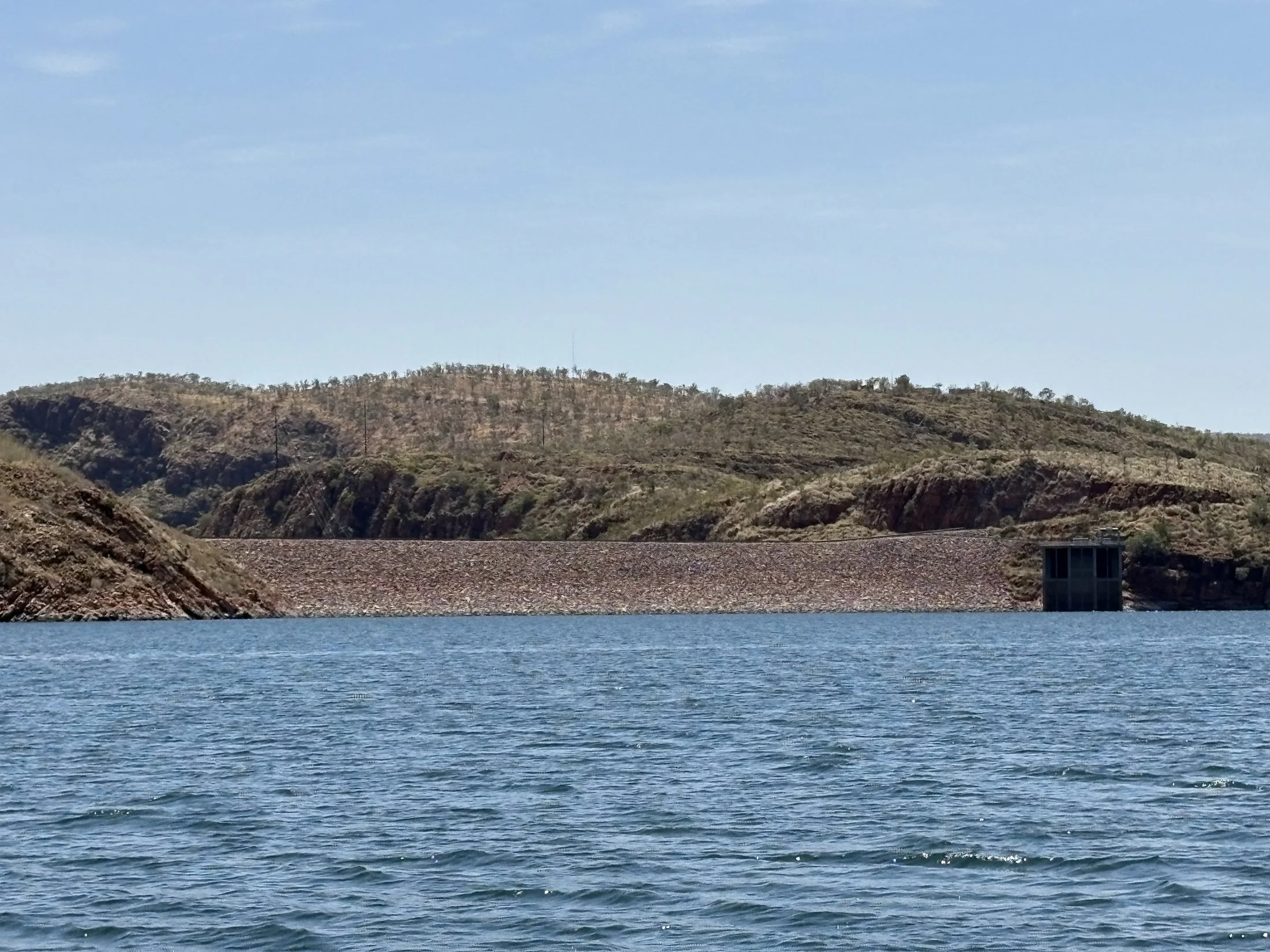
Lake Argyle
September 8, 2026
We left in the earlies this morning to get to Lake Argyle, a huge reservoir behind a small earthen works dam. Greg, our boat captain and a really good birder in his own right, met us at the shore of the lake.
We saw many cool birds as we drove out to our breakfast spot. That was a quiet little cove by an island that was also loaded with birds. And the breakfast Greg provided was excellent.
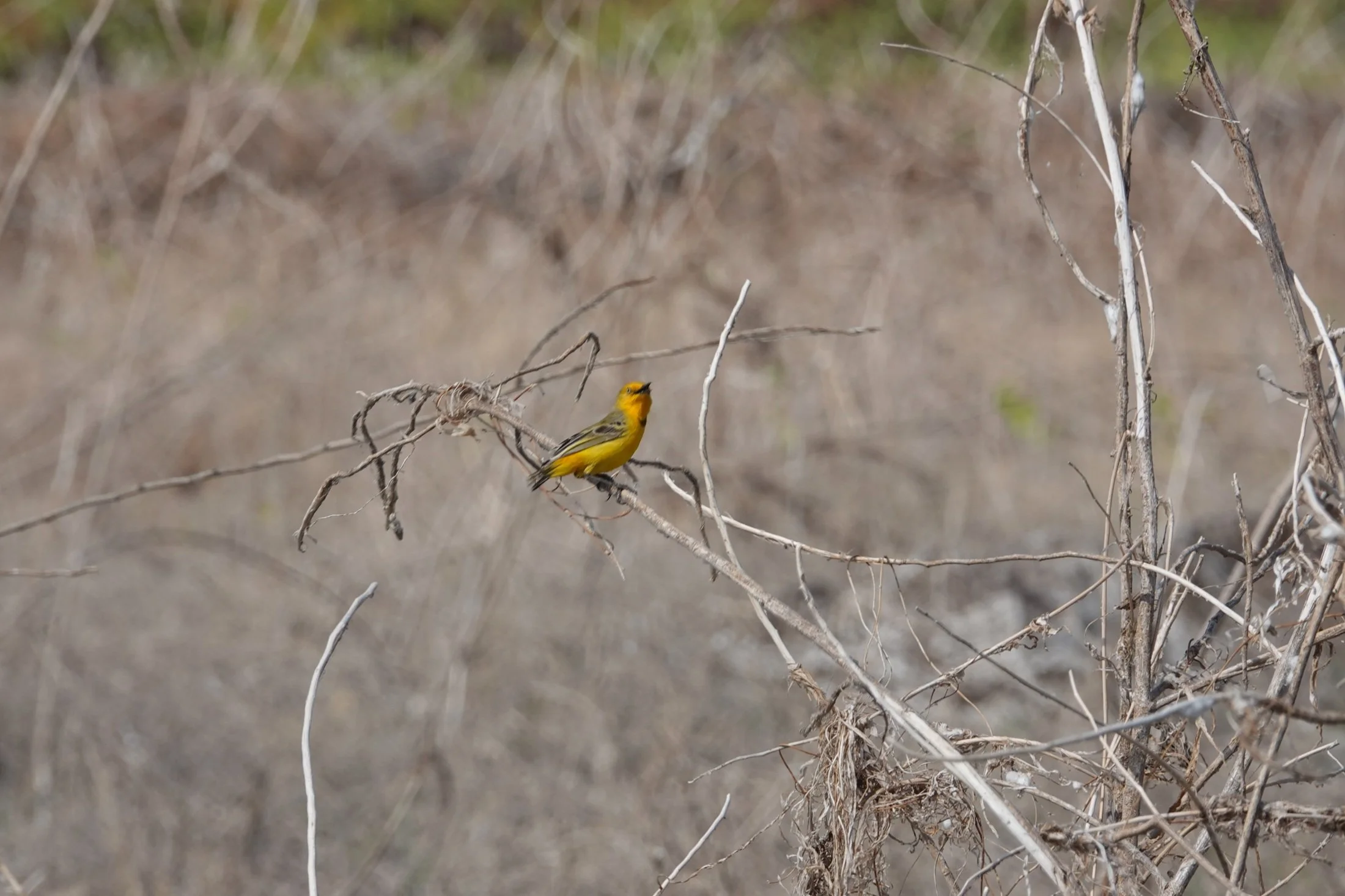
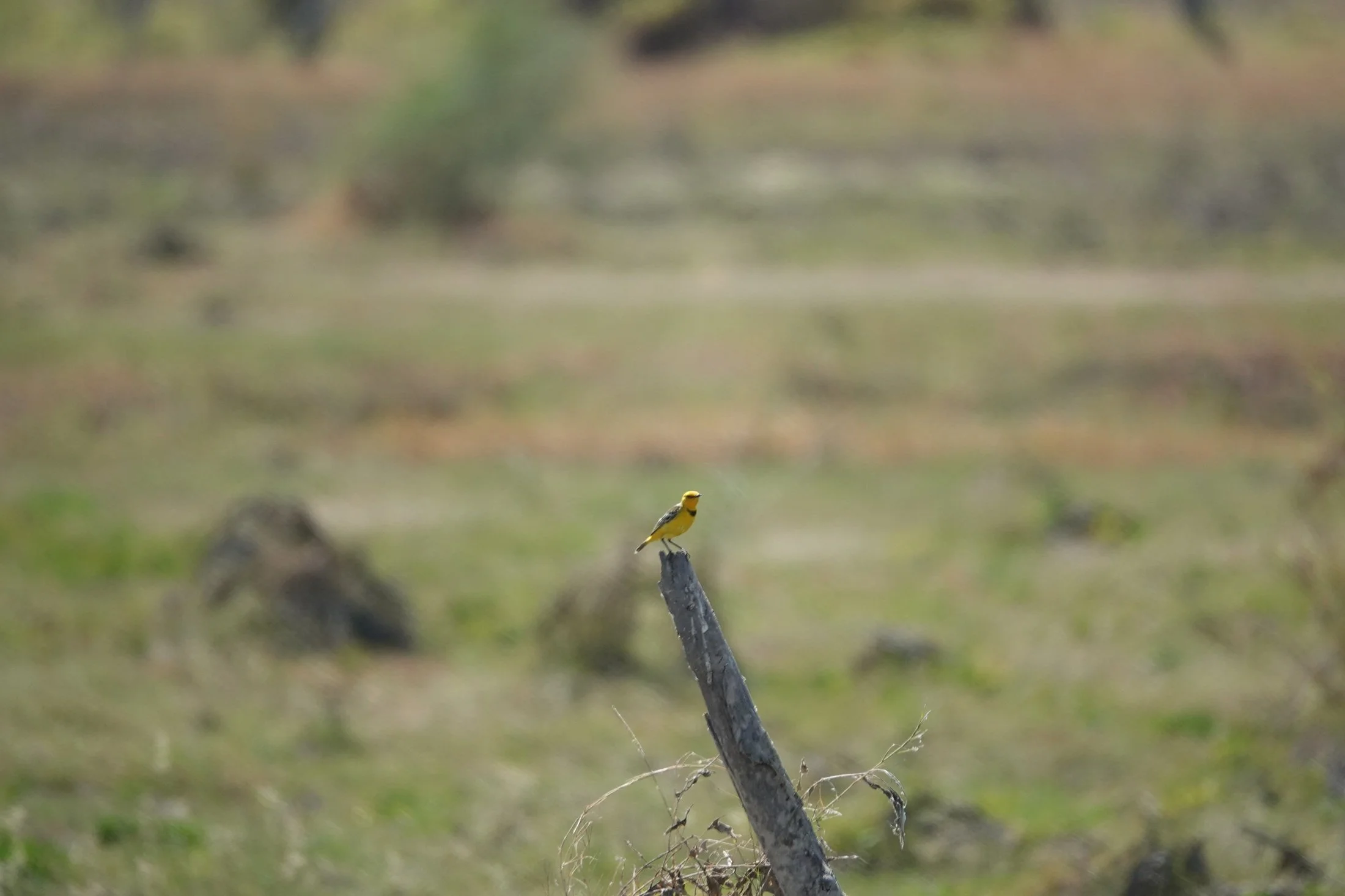
The highlight of the trip was a walk around an island that is best called Yellow Chat Island. Sorry, I’ve spoiled any surprise there might have been but the island is home to many yellow chat, (pictured). They are gorgeous little birds. I will probably include more than one picture of them.
To get to the island we had to walk through shin deep water for about 20 meters. I wiped the mud off my feet before putting my boots back on.
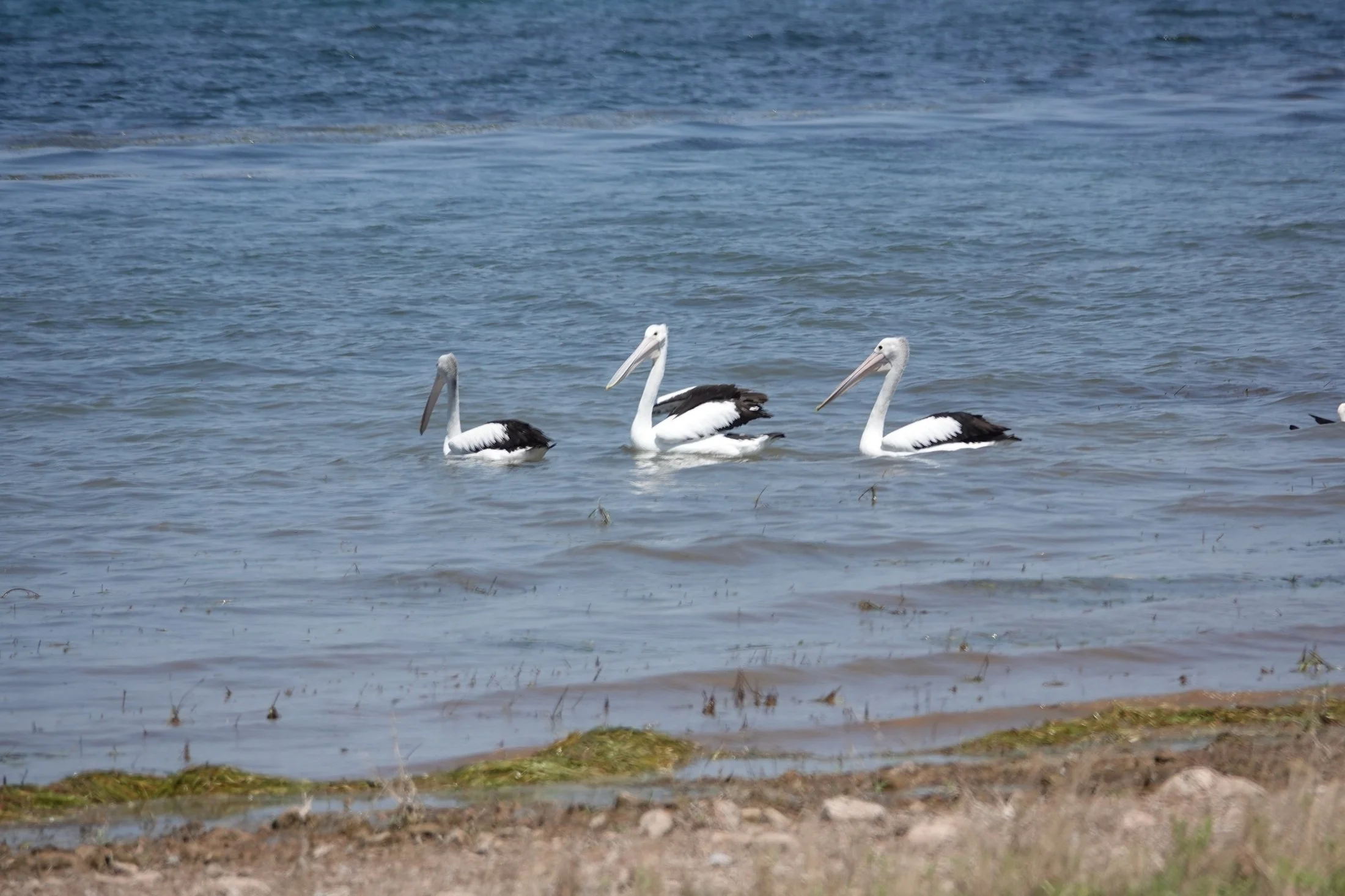
As we walked around the island we also saw curlew sandpiper and oriental plover amongst the many birds we saw. And I got a great picture of Australasian pelicans, (pictured), an old friend.
And as we headed back to the dock Luke spotted maned ducks.
We got back to the shore by just before noon and went to lunch where we did our final checklist and for some of us, we said our good-byes.
72 species, 4 lifers
Trip Summary
In cricket you raise your bat and kiss the emblem when you reach a double century. I nearly got there with 198 lifers. That far exceeded the 143 species I expected to see. 31 of those species were birds that I did not see in PNG so there was some clean up there. What a trip this has been.
It started long before the actual birding with Sarah helping me design an incredible trip in Northern Territory. It included five days of private guiding, two organized bird tours and for me, most importantly, a trip to Uluru, probably my top bucket list destination. And on top of all of that I got to see the Southern Cross.
I cannot speak highly enough of Luke and Sarah and their two guides Jamie and Harn. Sarah is great at planning and makes spectacular meals. Luke, Jamie and Harn are all top notch birders and guides and they’re great to hang out with as well.
And one more thing about Luke. If you can imagine someone from Northern Territory, then you would be thinking of Luke. He is the quintessential Australian from the Outback. Congenial and fun-loving and great to hang out with and totally in tune with the Outback and its many natural wonders. And the best pisher of birds I have ever seen. I love Australia and Northern Territory. Thank you Luke for a great time.
Trip Totals
266 species, 198 lifers